Unbound Pathways of the Forgotten
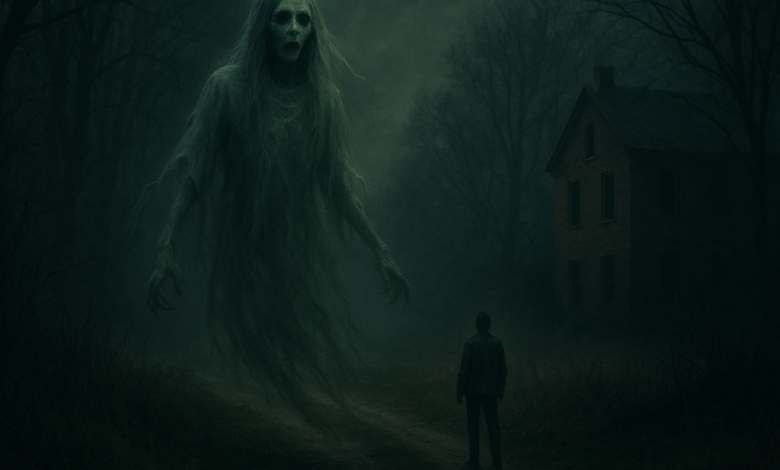
It was a grey Tuesday, the kind that lingers over the city like a damp cloak, when Abigail first noticed the odd changes to her routine. She had just returned home to the cramped flat she shared with Ted, her boyfriend of three years, after a long shift at the library. As she unlocked the door, the familiar scent of lavender—Ted’s compromise to soften the smell of takeout—washed over her, warming her. Yet as she stepped over the threshold, a shiver crept along her spine, heralding the shift that would overtake her life.
“Did you change the curtains?” she asked, glancing around the living room, suddenly lucid to a difference. It was odd to find her home transformed; she could have sworn she put the thick cream drapes back up just last week. Instead, sheer panels hung limply, allowing the dreary daylight to spill starkly into the room.
Ted came into view from the kitchen, wiping his hands on a towel. “I thought the old ones were too heavy. Makes it feel brighter, doesn’t it?”
His cheerful delivery barely assuaged the discomfort swelling in her chest. It wasn’t just the curtains; it was something else. She felt as if she had crossed an invisible line. More than a change of fabric, it spoke of a gradual transition, like time turning a page when she wasn’t looking. But the sensation ebbed. She shook it off and sank into the threadbare sofa, pushing the unsettling thought aside.
In the following weeks, fleeting manifestations grew more pronounced. At first, it was odd sounds: a rustling from the direction of the hallway, faint footsteps finding rhythm with Abigail’s own heart. She tried to chalk it up to the building’s age, notable in every creak and groan. Then there were the flickering lights, as if a hidden hand brushed against the switches or some spectral force played tricks with the electrical circuits.
Ted maintained a robust scepticism, attributing everything to fatigue or perhaps even interference from a neighbouring flat. Yet he had begun to snap more often, the permeating atmosphere in their home shifting as if shadows seeped out of the walls.
One night, as Abigail lay awake, staring at the bare ceiling, the echoes of an argument between them became difficult to shake. It was as though every word held weight; they seemed an anchor drawing them into darker depths.
“Why did you put on the nightlight?” Ted grumbled, annoyance flooding his already fraught tone. It somehow felt as if light and dark were no longer a choice she made but a pull of something unseen.
At her office the next day, she stumbled into the break room to find her colleagues chattering happily about the upcoming charity gala. They needed volunteers, they said. “You should sign up, Abi! It’ll be fun!”
But Abigail felt a pulse of unease at the thought of attending. For her, being surrounded by the remnants of carefree laughter and celebration felt like walking on glass in a forgotten house. The more they prodded, the thicker the haze of anxiety grew, pushing her further from joviality. She would not join.
As weeks turned into months, Ted’s frustration reached its peak. More often than not, he disrupted her thoughts with sharp comments, accusing her of daydreaming or being ‘off again,’ as if some shadow and spectre crept between them.
“You can’t keep living in your head! You need to wake up!” he stormed one evening, tossing down his keys with venom, his eyes lit with ire, now so enraged.
Yet Abigail could only feel the tightening grip of what she now recognised—a phantom manifesting from the corners of their life.
“Something’s wrong, Ted. I know it’s not just me,” she pleaded, the weight of her reality suddenly feeling unbearable, her heart racing as she sought understanding in his face. But before she could even finish her thought, his gaze shifted to a patch of wallpaper, their shared resentment seemingly refracing into the realms of anxiety, as if the very fabric of their lives had been laid bare for judgment.
The tension led Abigail to seek solace in research. The histories of their flat, documented in yellowing papers held among the library’s archives, narrated tales of losses: long-ago tenants faded without a trace, possessions left behind, timelines that told stories incomplete. She raced through these narratives hungrily, hoping to glean insight and perhaps a shred of peace to usher away the growing sense of dread. Yet the more she searched, the more she felt something tangling around her, like a thorned vine that only sank deeper.
Then one evening, she reached a particular entry detailing Jasper Holloway, a young artist who had vanished mysteriously in the 1950s. Lingering clues led her belief toward an unfinished piece of work — a mural once intended for his neighbourhood but never completed before his inexplicable disappearance.
That night, Abigail began to dream, not of idle fantasies but vivid recollections of cold winters, blustery nights, and the very brushstrokes of a hand that haunted her. She awoke, panting, fingers gripping the edges of her quilt, her thoughts racing: the unfinished mural was haunted by his soul, embodying a longing that clawed at the very edges of her existence.
With each dream, she felt pulled, warding off Ted’s increasing hostility, replaced instead by the artful whispers of Jasper’s spirit. The more time the ethereal artist demanded from her, the further she drifted from Ted’s love. Then came a night where it felt she had crossed a threshold entirely, the weight of Jasper’s presence alarming. As she awoke, she found herself standing by the hallway, his voice wrapping around her—a serene lull urging her to come closer.
“Finish it,” he murmured. “Complete the vision.”
Panic slammed into her as she staggered back, wild-eyed and trembling. She could feel the raw emotions coursing through the spirit, the insatiable need for completion overwhelming her very core. She was losing herself to this ghost, and if she didn’t find a way to resist, her autonomy would slip through her fingers like silk.
Yet refusal morphed into attraction; no longer did she simply want to resist. An irresistible pull compelled her to either finish what he had started or perish in the pursuit—only it wasn’t her life at risk; it was the tether separating Abigail from Ted that began to fray.
She felt the divided consciousness choking her, drawing her further down a fervent spiral, and then one night, sitting at the canvas she barely remembered purchasing, Abigail felt Ted’s presence lingering at the threshold, wild and hurt. “What the hell are you doing?” he rasped, disbelief saturating his voice.
The canvas felt alive, weaving shapes that melded into images, and with every brushstroke, she felt her memories blurring with Jasper’s own. It was intoxicating. She wanted to feel nature through stroke and hue—for a moment she ached for freedom to defy the chains of her reality, becoming lost in Jasper’s landscape. Yet in abandoning her true self for an alternate existence, Ted’s plea echoed hollow in the space between them.
“No,” she implored, torn and unwilling to commit entirely. “This isn’t right.”
“Choose,” Jasper whispered, his presence now looming over her, pinching her heart in icy tendrils. “Finish the piece and you will be free.”
The confrontation forged a knife-like decision in her heart—complete this mural, a completion that fed Jasper endlessly. She turned towards Ted, their faces colliding in sorrowful understanding—if she finished, it would create an irreparable distance, and one of them would perish in the process.
As brush met canvas, the swirling colours and the demands of this spirit stole everything she held dear. The last strokes sprung forth like discordant music, wreathing her world with violent chaos. And when the marks finally settled, she felt the surge, as if colours kissed by light revived Jasper’s trapped essence into her own.
“And now we are unbound,” he murmured with icy satisfaction, while Ted faded into a fogged memory, leaving just an aching void behind.
Abigail stood before her mural, the vibrant colours pulsating, and for a moment she was free, finally fulfilled, tethered to Jasper’s longing. But when she reached for him, the world around her began to dissolve, and the intoxicating pull turned into eternal night.
She had become another phantom, wandering down the unbound pathways, forever searching, never arriving.