The Shadow on Main Street
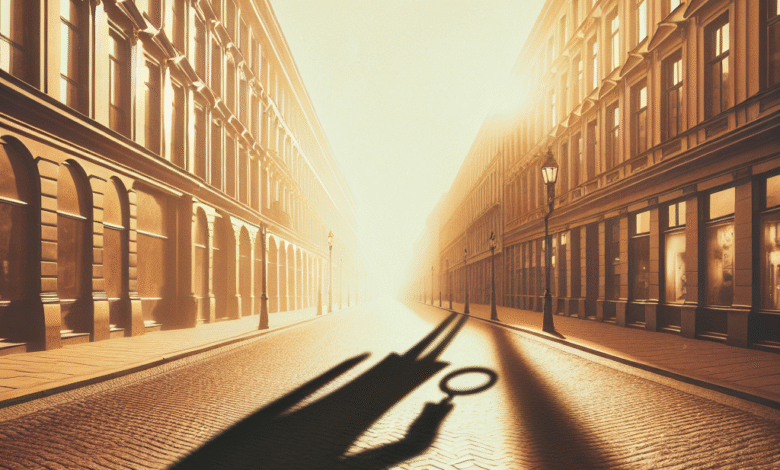
On the outskirts of a quaint little town lay Main Street, a road that twisted like a forgotten ribbon through the heart of a place untouched by time. The houses were adorned with the kind of peeling paint that spoke of generations untold, and the cobblestone pavements echoed with the ghosts of its past. Children could often be heard playing, their laughter mingling with the occasional call of a passing bird, but as dusk descended, a different kind of silence enveloped the street—one that brought with it a sense of trepidation, of something lurking just beyond the edge of reason.
It was in this charming yet eerie setting that the legend of The Shadow on Main Street was born. Few remained in the town who could fully recount the tale, but it was spoke of in hushed tones among the townsfolk, and no one dared to dismiss it outright. The tale began decades ago with a man named Arthur Welling, a figure familiar to every inhabitant of the town. Arthur was a simple shopkeeper, peddling everything from sugar to silk, and he had a heart as generous as his stock was varied. Everyone adored Arthur; he was a fixture, a part of the community.
But it was Arthur’s nightly ritual that sowed the seeds of the legend. Every evening, as the last of the sunlight surrendered to the Atlantic horizon, he would close his shop, lock the doors, and walk home beneath the flickering streetlamps. Main Street transformed into a passage more akin to a medieval ghost story. Shadows stretched and danced with the faintest movement, playing tricks on the mind. Yet it was one evening, under an unusually heavy mantle of fog, that the townspeople would catch their first glimpse of The Shadow.
As Arthur walked, fatigued but content, he noticed his own shadow stretching out before him—as if bidding him farewell. But just as he turned to glance back at his shop one last time, a dark spectre appeared alongside him. It was indistinct at first, a blur melding with the fog, but grew denser, more palpable. Arthur hesitated, chilled by an unmistakable sensation of being watched. He glanced over his shoulder, only to find the street behind him void of anyone. Yet the shadow remained, a companion in the fog, weaving in and out of his periphery.
That night, Arthur collapsed into bed, but sleep was a distant thought as he replayed the encounter in his mind. Upon rising for another day, he sought to share his experience with the townsfolk, but as he opened his shop, he discovered a distinct shift in the air. People averted their eyes as they stepped in, and when he recounted his strangeness, they merely chuckled and shrugged, attributing it to fatigue or an overactive imagination.
Days turned into weeks, and the shadow persisted. While Main Street remained surprisingly untroubled by the outside world, Arthur felt as though it pulsed with some intangible dread. The shadow had grown bolder, flitting about him like an errant thought, an echo of his own being that was just a touch darker and unnervingly separate.
As whispers of Arthur’s encounters trickled through the town, superstitions ignited like kindling to flame. Children were told to steer clear of Main Street after dark; older folk recounted stories of a ghost that preyed on the unsuspecting, saying it was the lingering spirit of a vengeful soul caught between worlds. The clock puzzled over the evening’s ritual and began to tick heavily in place. On the other hand, Arthur began to lose both sleep and purpose, growing paranoid that the shadow had attached itself to him—a window into darkness he could not close.
He became a recluse, becoming increasingly frail as days melted into weeks. The shadow thrived, despite his diminishing form. Despite this torment, Arthur couldn’t shake the impression that he might just come to understand its secrets if he looked deeper. Each evening, the fog rolled in thick and impenetrable, yet the nagging spectre remained steadfast beside him.
One fateful night, as the moon struggled to break through the gloom, Arthur gathered enough resolve to confront the shadow. “What do you want from me?” he shouted, startling an owl out of its perch, the echo of his voice reverberating off the buildings. A strange stillness enveloped the street; even the fog seemed to pause.
Before his eyes, the shadow evolved. It uncoiled like smoke, taking shape and materiality. It was no longer a mere darkness cast upon the cobbles; it became a figure—a tall silhouette, faceless yet undeniably human, exuding an aura of sorrow and anger. “I am a reflection,” the figure whispered, its voice a mere rustle in the air. “I am all that remains of those who were unfairly forgotten.”
The weight of the words hung in the air, filling Arthur with an overwhelming sense of loss. For too long, the stories of the past had been neglected, erased from the town’s collective memory in favour of trivial chatter and mundane routines. The shadow embodied the townsfolk’s fears and their vibrant history—of love and betrayal, of warmth extinguished too soon.
From that night onwards, Arthur became a herald of the shadow. He began collecting stories of the town—sad tales, joyous ones, echoes of lives lived and lost. He trekked into the lives of the townsfolk, slowly rekindling their memories of the past. People began to listen, hesitant at first, but ultimately captivated by the fabric of their shared existence.
As Arthur shared these tales, The Shadow evolved into something less fearful, becoming a guardian of the stories and memories they all cherished yet overlooked. The figure began to twine itself into the very essence of Main Street, intertwining with the cobblestones and the dusk. Shadow became a comfort; a reminder that the weight of their histories should be embraced, not feared.
As the years passed, Arthur passed on as all mortals do, but the shadow remained. The townsfolk found themselves telling new tales, woven through the fabric of their daily lives, each a thread illuminating the dark. The legend of The Shadow lost its fearsome grip—turning instead into a keeper of history and a guide through the nocturnal hours.
Now, on dusky evenings, a gentle, comforting presence is reported roaming beneath Main Street’s flickering streetlamps, a reminder for those who tremble at the edge of darkness. Stories would be shared over cups of tea in well-lit parlours, while children played outside, heedless of the tales of old. The Shadow on Main Street had transformed, metamorphosed from an echoing curse into a beacon of warmth. It reminded all that shadows could be spaces for remembrance just as easily as they could be for dread.
To this day, newcomers who wander along the cobbled streets may notice the subtle shift in the shadows, their silhouettes stretching long against the quaint brick houses. Music swells at twilight, mingling with laughter and good cheer. And if they listen closely, they too might hear the residual whispers of lives gone by—all stories entwined within the heart of The Shadow on Main Street.