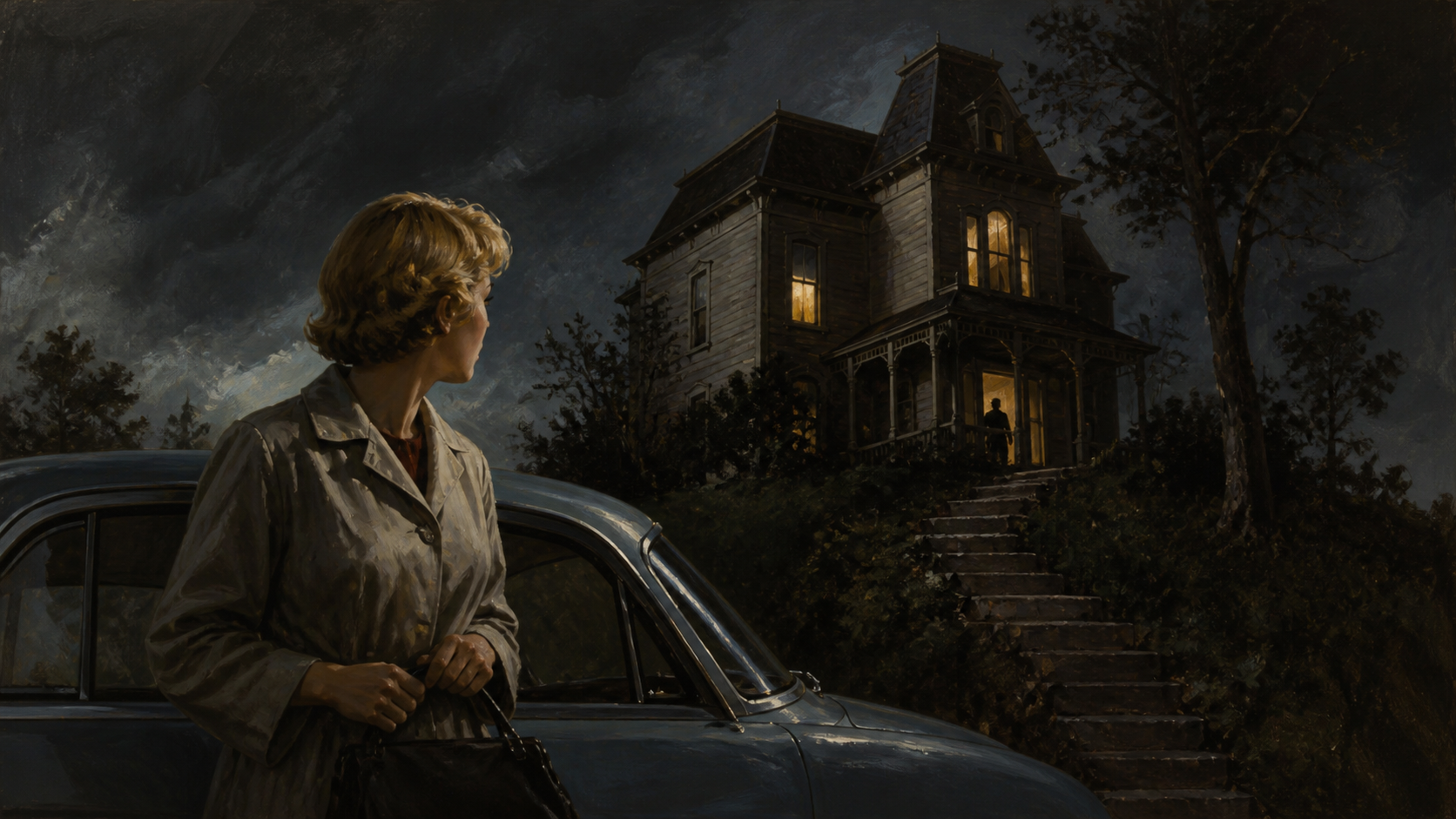
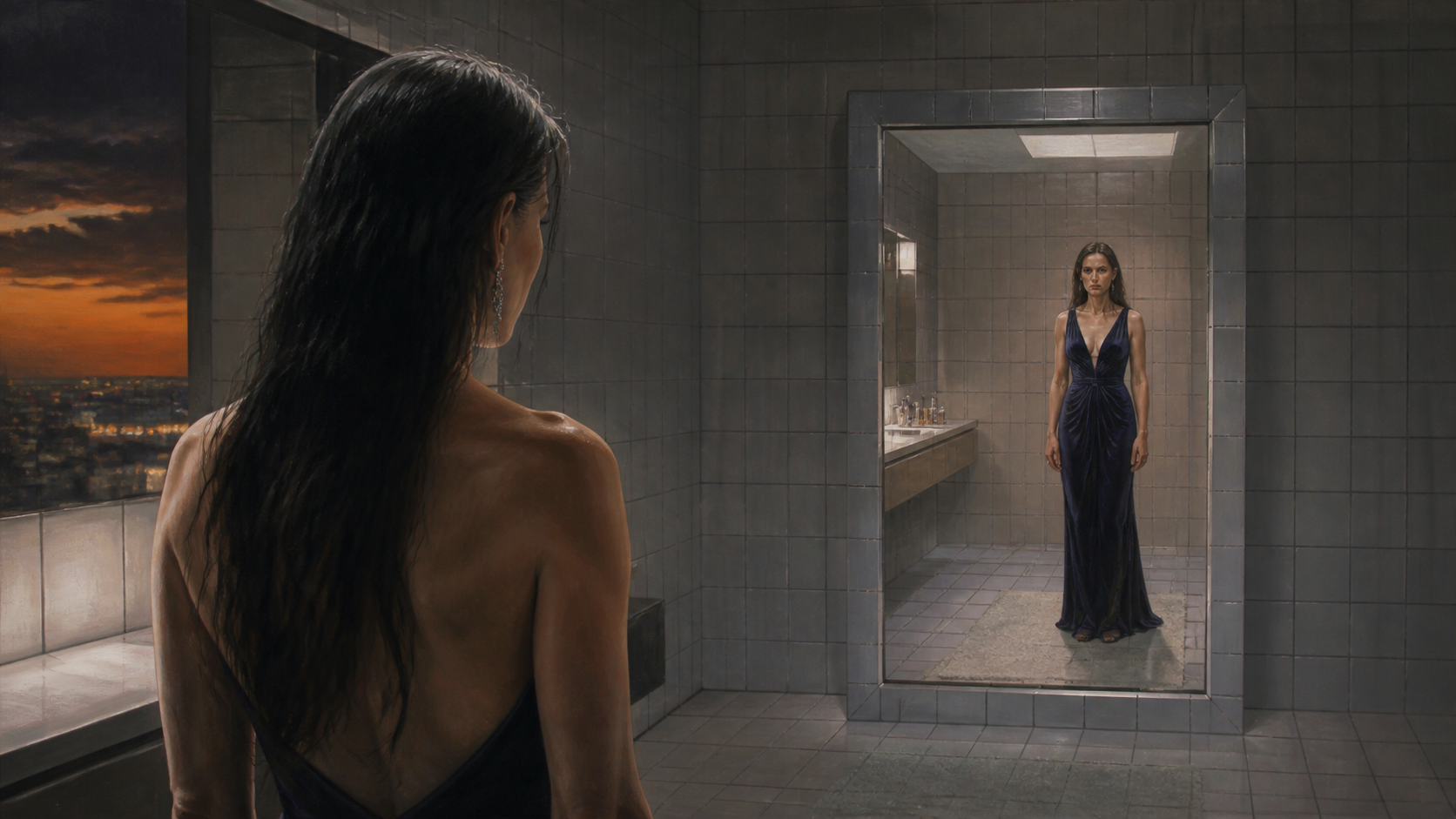
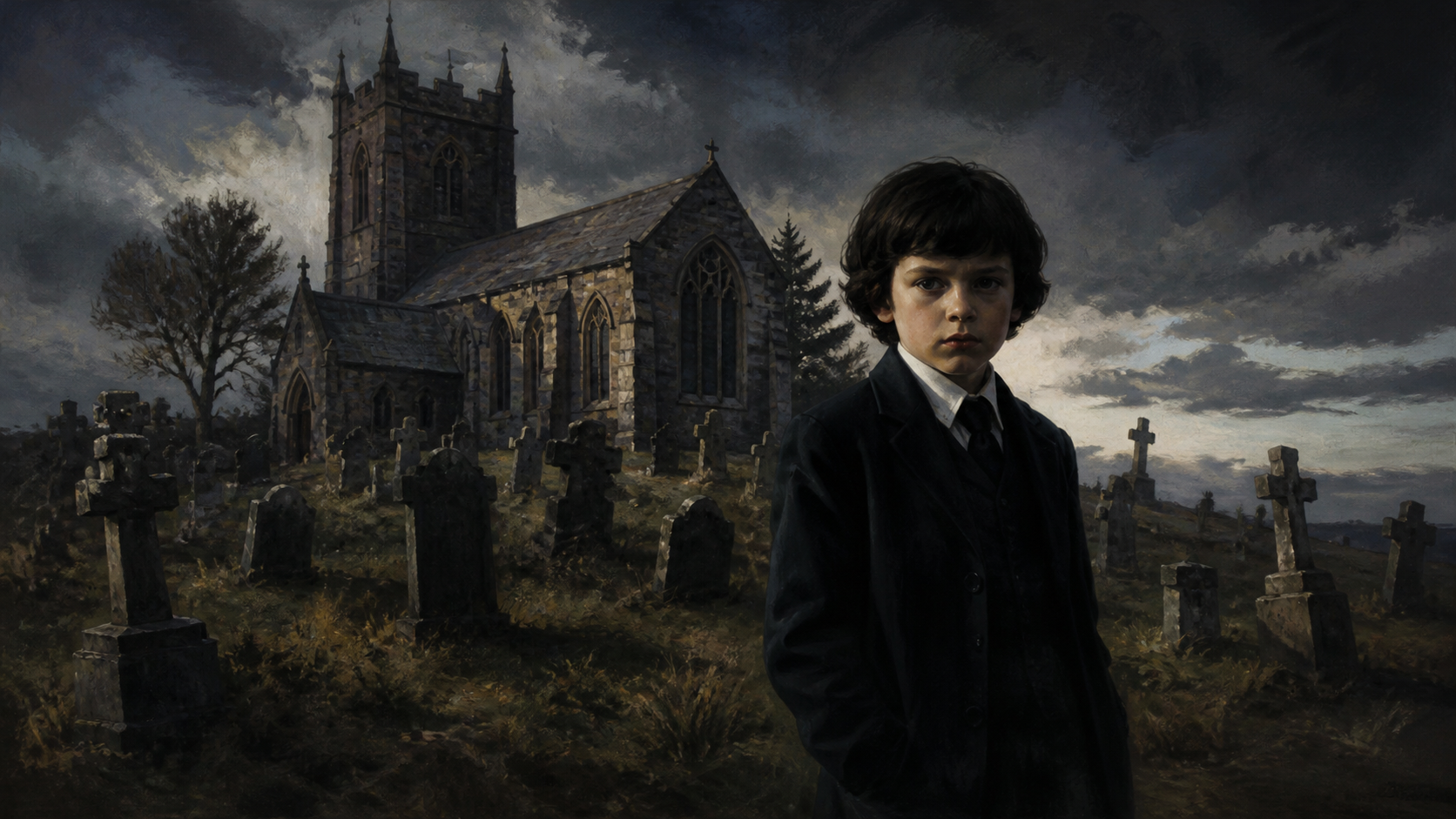
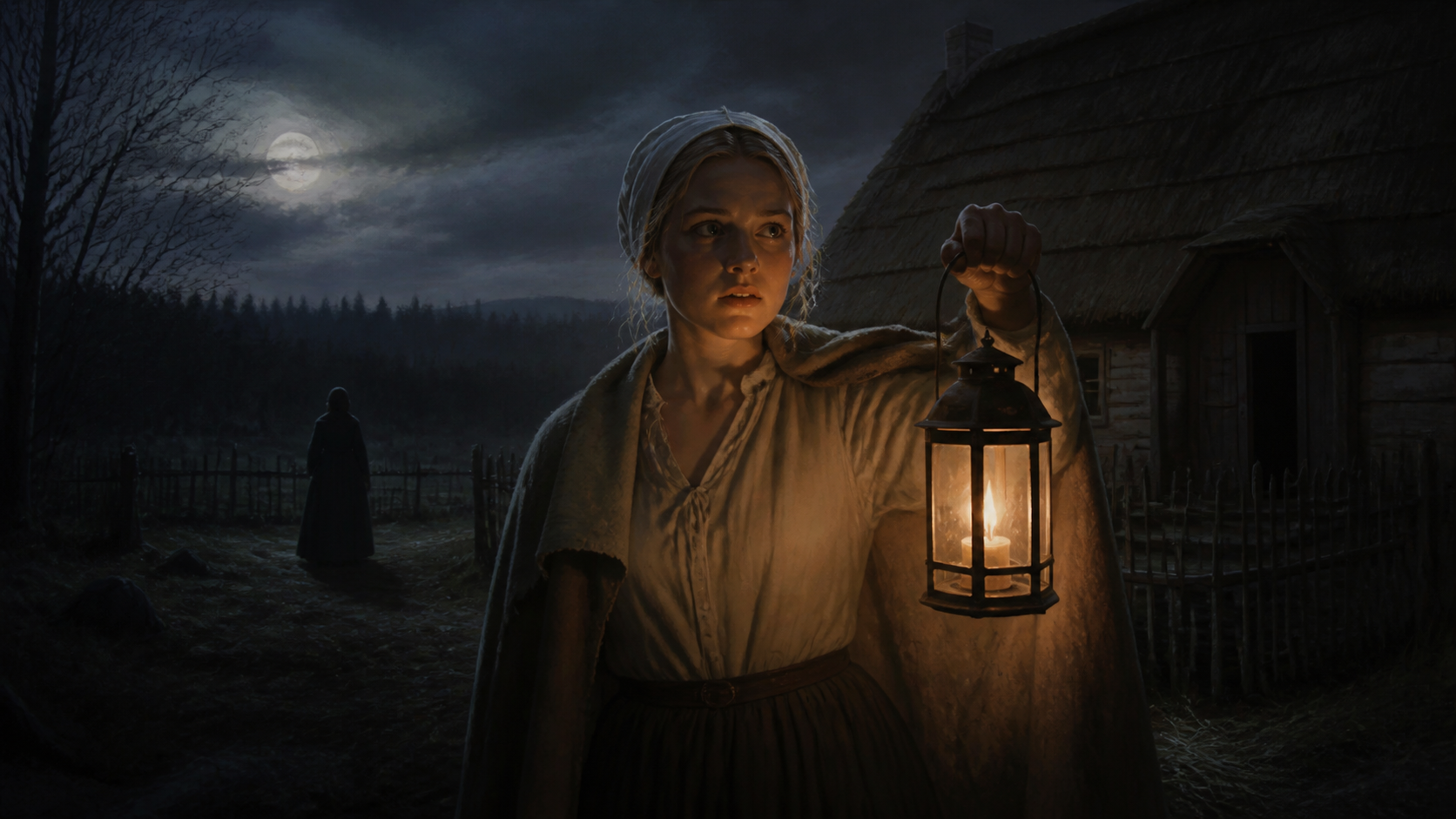
House on Haunted Hill is the 1959 American haunted-house thriller directed by William Castle and written by Robb White. It follows a millionaire who invites a group of strangers to spend a night in a supposedly haunted mansion in exchange for money, turning a party into a pressure-cooker of fear, suspicion and staged terror. The film sits at the intersection of supernatural horror, mystery and suspense, and its distinctive appeal lies in how gleefully it turns an old dark-house setup into a piece of showman’s cinema, with Vincent Price at the centre of the fun as a host whose charm is always shadowed by menace.
The Film File
- Original release year: 1959
- Director: William Castle
- Writer: Robb White
- Principal cast: Vincent Price as Frederick Loren; Carol Ohmart as Annabelle Loren; Richard Long as Lance Schroeder; Alan Marshal as Dr David Trent; Carolyn Craig as Nora Manning; Elisha Cook Jr as Watson Pritchard; Julie Mitchum as Ruth Bridgers
- Approximate runtime: 75 minutes
- Country of production: United States
- Relevant horror subgenres: Haunted house, gothic horror, mystery, suspense, supernatural-tinged horror
Behind the Screams
House on Haunted Hill was produced during the late-1950s wave of low-budget horror that gave William Castle his niche as a theatre-savvy entertainer. The film was made for Allied Artists and released in December 1958, although it is generally filed as a 1959 title because of its wider theatrical run and later historical classification. Castle’s method was inseparable from the film’s identity. He did not merely sell tickets with advertising copy, but with a gimmick attached to the exhibition itself. The best known was “Emergo”, a skull or skeleton effect that could fly over the audience during key moments in some first-run screenings, turning the cinema into part of the attraction.
The screenplay by Robb White gives the film a compact, almost mechanical setup. A rich eccentric offers cash to five people if they will remain inside a mansion overnight, and Castle stages the whole enterprise as a controlled experiment in fear. That premise is simple, but it reflects a specific creative decision: the film is less interested in literary ghost-story atmosphere than in the social theatre of nerves, bluff and panic. The mansion is a machine for suspense, and the guests are arranged like pieces on a board, each with enough money on the line to make bad judgement plausible.
Much of the film’s enduring identity comes from the collaboration between Castle and Vincent Price. Price had already established himself as a performer who could make wit and threat feel like adjacent registers, and Frederick Loren plays to those strengths. The role is not simply a standard sinister host. He is theatrical, condescending and amused by his own setup, which suits Castle’s taste for self-aware horror. That tone is important. The film is not trying to convince the audience that it is a solemn supernatural mystery, even if it still wants the house itself to feel genuinely hostile.
The production background also includes a neat example of the period’s marketing culture. Castle’s name was central to the film’s sale, and the gimmick around the film became part of its legend almost immediately. The promotional stunt is not a modern myth layered on afterwards; it was an explicit part of the original release strategy and one of the clearest signs of how Castle fused movie and event. That matters because the film’s reputation cannot be separated from the context in which audiences first encountered it. It was designed as an evening of participation, shock and play, not as a purely passive viewing experience.
Into the Dark
Frederick Loren invites five people to an isolated mansion and offers each of them a sizeable payment if they remain there until morning. His guests are a practical psychiatrist, a journalist, a nervous man who claims to know the house’s history, a woman who seems more interested in survival than spectacle, and Loren’s own wife Annabelle. The arrangement is already strained before night fully takes hold. Everyone has a reason to distrust everyone else, and the house gives them plenty of material for suspicion: locked spaces, unexplained noises, stories of murders and a history of deaths that may or may not have anything to do with the present occupants.
The film’s tension grows out of how that suspicion is managed. Some of the disturbances appear to be practical jokes, some seem to carry a darker charge, and the guests spend much of the running time trying to decide whether they are dealing with a real haunting or an elaborate con. That uncertainty is the story’s engine. Rather than building through elaborate mythology, the film keeps tightening the screws on the characters’ judgement. They are trapped not only in the mansion but in a social arrangement that rewards mistrust, greed and opportunism.
Spoilers ahead: the following paragraphs discuss major plot developments.
As the night goes on, the film reveals that the house’s menace is not purely atmospheric. The Loren marriage is a battlefield of manipulation, and the guests’ assumptions about who is victim and who is predator begin to collapse. The apparent supernatural menace intersects with a very human chain of deception and revenge, and the people in the house discover that the most dangerous threat may be the one that has been concealed in plain sight. The film’s final stretch sharpens that idea by showing how the gathering has been engineered around a longstanding grudge and a carefully staged attempt to frighten, corner and expose the people inside.
What matters here is not just the surprise, but the way the ending reclassifies the entire evening. The house is still a place of genuine dread, yet the movie makes clear that the fear has been deliberately weaponised. That distinction gives the film its bite. It is not merely about whether ghosts exist. It is about how greed and resentment make people easy to manipulate, and how a carefully designed nightmare can push ordinary selfishness into panic. The ending also vindicates the film’s showman logic: it has been performing a trick all along, but the trick works because the setup has been honest about its appetite for spectacle.
What Gets Under Your Skin
The film’s atmosphere is its most obvious strength, but not in the solemn, oppressive way associated with later haunted-house classics. House on Haunted Hill is brisk, sardonic and mechanically efficient. It uses the mansion like a stage set for unease, with the closed-off rooms, the winding interior spaces and the constant sense of unseen movement creating a small, controlled world in which every new disturbance matters. The horror is often playful on the surface, but the film is smart enough to keep that playfulness from dissolving the tension.
Vincent Price gives the film its most durable energy. Frederick Loren is funny in a dry, almost poisonous way, yet Price never lets the part drift into mere camp. He makes the character feel like someone who enjoys being the smartest person in the room, which helps the film sustain ambiguity about his role in the events. The supporting cast are not asked for much psychological complexity, but they are sharply functional within the structure. Carol Ohmart’s Annabelle has just enough poise and brittleness to suggest a marriage built on mutual suspicion, while Elisha Cook Jr brings a jittery, tightly wound vulnerability that suits the film’s mood of nervous entrapment.
Visually, the black-and-white photography serves the material well. The film does not rely on lush gothic beauty so much as stark contrast and cramped interiors, which is exactly right for a story about traps, hidden motives and false appearances. It is also modest in scale in a way that benefits the concept. The house feels like a place where the walls are close enough to listen. That gives even the more theatrical moments a degree of intimacy that larger-scale horror might have blunted. The film understands that uncertainty is often more effective than outright revelation, and it lets shadows, silence and delayed explanation do a great deal of the work.
As horror, it is more sly than brutal. There is no interest in graphic excess. Instead, the film draws on the old dark-house tradition, where doorways, secret histories and the threat of exposure do much of the heavy lifting. That approach can feel light in places, but “light” is not the same as weak. The film is aiming for tension with a wink, and it largely succeeds because it balances wit with genuine unease. The result is a haunted-house story that knows how to be entertaining without losing its edge.
The Film’s Afterlife
House on Haunted Hill was a commercial success on release, helped by Castle’s exhibition gimmicks and by Price’s star value. Its reputation has since settled into cult status rather than untouchable prestige, which is appropriate for a film so closely tied to performance and showmanship. Later critics and genre histories often treat it as a prime example of William Castle’s style: economical, self-aware and engineered to give audiences a ride rather than a solemn lesson in dread.
Its legacy also includes the 1999 remake, which confirms how sturdy the central premise remained. Even when the later film took a very different route, the original stayed recognisable as a model of haunted-house entertainment built around a simple wager, an isolated setting and a host who may be more dangerous than the house itself. For many horror fans, that combination is exactly why it still lands: not because it is the most elaborate ghost story of its era, but because it is so cleanly designed around suspicion, performance and fear.
Horripilations Verdict
A brisk, inventive haunted-house thriller that turns a simple premise into a tightly run exercise in suspicion, wit and theatrical menace. William Castle’s showmanship and Vincent Price’s performance give it a personality many bigger horrors lack.
What works
- Vincent Price’s commanding, slyly comic lead performance
- A lean premise that keeps the suspense moving
- Atmospheric black-and-white design that suits the old-dark-house setup
What holds it back
- Some character beats are thin by design
- Its playful tone can soften the impact for viewers wanting a more serious gothic mood