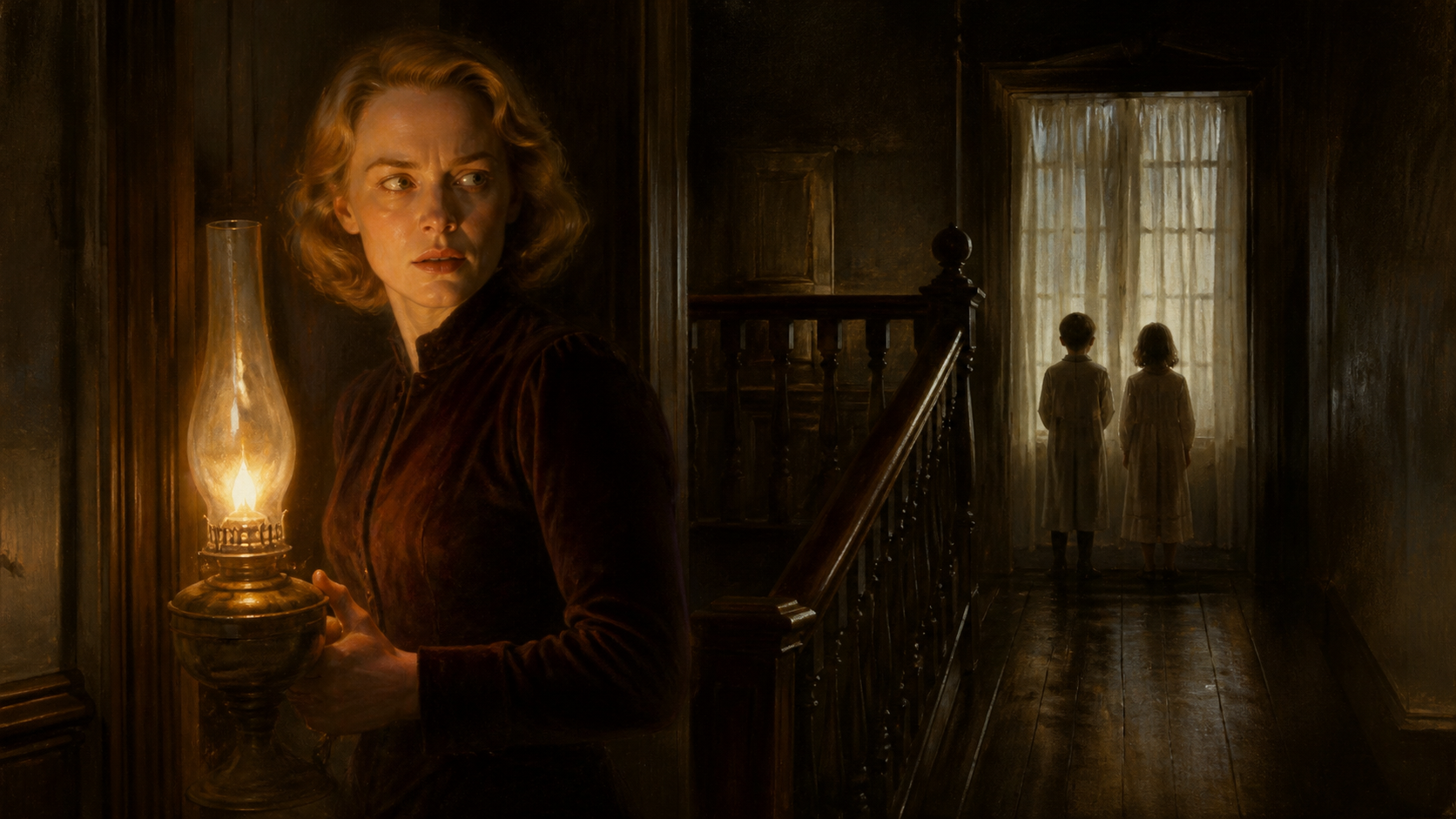
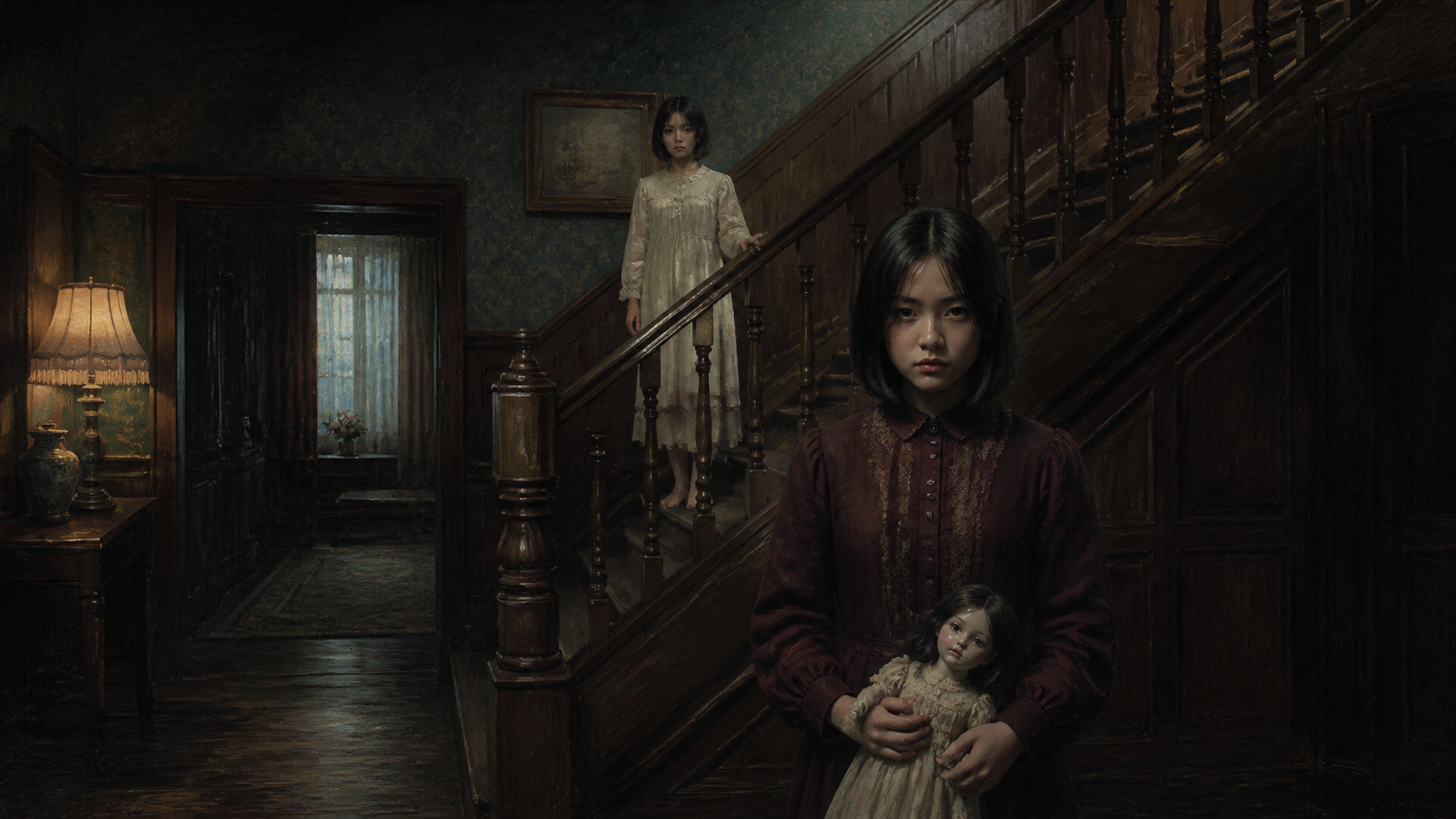
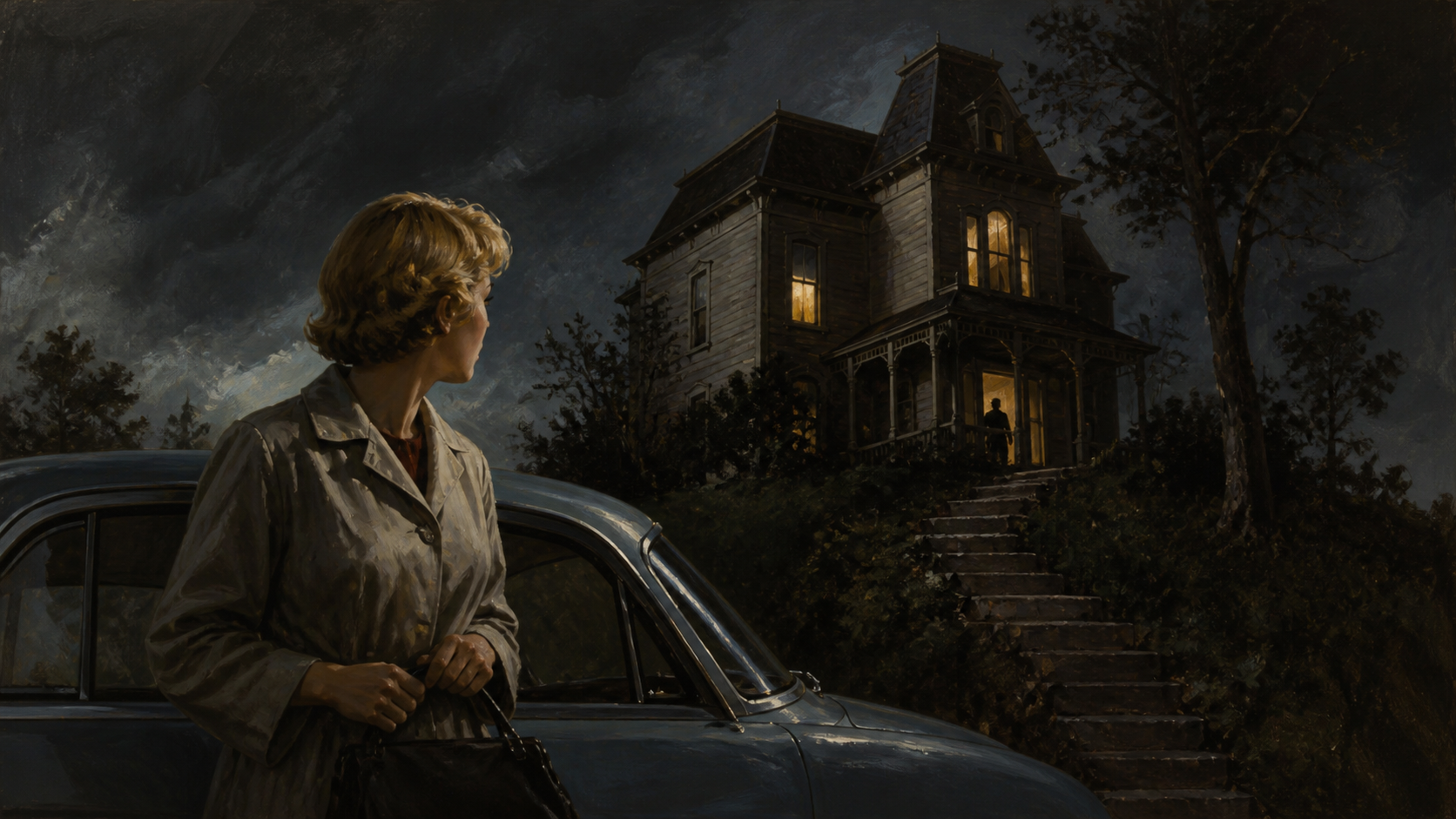
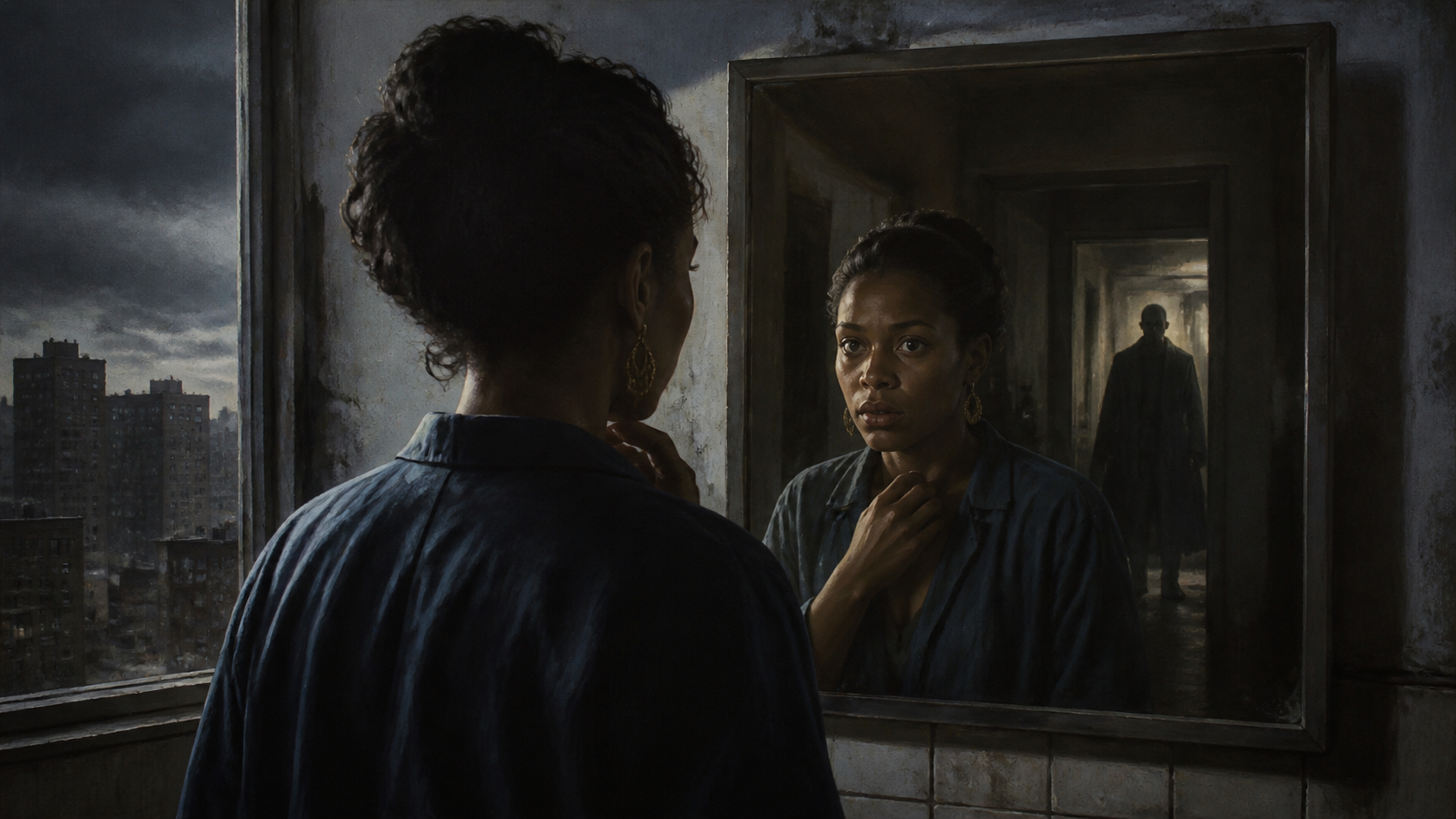
The Omen is the 1976 satanic horror thriller that turns a quiet, well-appointed family drama into something far more malevolent. At its core is a simple but potent premise: an American diplomat and his wife begin to suspect that the child they have raised as their own may be the Antichrist. The film belongs to the religious horror and supernatural thriller traditions, but its real distinction lies in how patiently it lets dread spread through domestic life, politics and institutional religion rather than relying on constant shocks.
The Film File
- Original release year: 1976
- Director: Richard Donner
- Credited writer: David Seltzer
- Principal cast: Gregory Peck as Robert Thorn; Lee Remick as Katherine Thorn; Harvey Stephens as Damien Thorn; David Warner as Keith Jennings; Billie Whitelaw as Mrs Baylock; Patrick Troughton as Father Brennan; Leo McKern as Carl Bugenhagen; Holly Palance as the first nanny
- Approximate runtime: 111 minutes
- Country of production: United States, United Kingdom
- Relevant horror subgenres: satanic horror, supernatural horror, religious horror, mystery thriller
Behind the Screams
The Omen was developed as an original screenplay rather than an adaptation, with producer Harvey Bernhard originating the project and David Seltzer turning it into the film’s script. The story’s commercial pitch was clear from the start: the Antichrist as the hidden centre of a glossy, international family drama. Seltzer later novelised the screenplay, which helped Fox shape the release as an event rather than a routine horror title.
Richard Donner’s involvement was crucial to the film’s tone. According to contemporary production accounts, he urged Seltzer to strip away overtly showy supernatural material and approach the story as a realistic crisis inside a family, even though the premise itself is emphatically apocalyptic. That is one reason the film often feels more controlled than flamboyant: it is staged as if the nightmare might still be resisted by reason, evidence and procedure. Donner also helped shape key casting choices, including Billie Whitelaw as Mrs Baylock and Harvey Stephens as Damien. Whitelaw’s audition reportedly convinced Donner to adjust the part to suit her performance, while Stephens was cast after Donner asked the child actors to attack him during auditions.
The production became inseparable from its “cursed film” folklore almost immediately, and some of those anecdotes were repeated so often that they hardened into legend. What is well established is that the filmmakers and studio leaned into the ominous atmosphere through marketing, including previews on 6 June 1976 and the use of 666 in the logo, while the film itself opened in 1976 and became a major box-office success. The more extravagant stories about lightning strikes, accidents and near-misses sit in the realm of production legend and should be treated as lore attached to the film’s release rather than as essential evidence of how it was made.
Into the Dark
Robert Thorn is a U.S. diplomat who quietly replaces the baby his wife Katherine has lost with another newborn, intending to spare her the grief of knowing the truth. That choice is the film’s moral trapdoor. As Damien grows up in their household, strange deaths and unsettling incidents begin clustering around him, while the adults around Robert and Katherine become increasingly convinced that the boy is connected to a scriptural catastrophe much larger than a single family. Father Brennan, a priest who understands more than he can safely say, tries to warn Robert, and the investigation soon widens into questions of birth records, hidden parentage and biblical prophecy.
Spoilers ahead: the following paragraphs discuss major plot developments.
The central suspense of The Omen is not whether something is wrong with Damien, but how long Robert can keep denying what the evidence points towards. As the story progresses, Robert uncovers enough to realise that Damien is not merely troubled or protected by bad luck: he is the child of Satan, and the deaths around him are bound up with his destiny. The film builds towards Robert’s attempt to prevent catastrophe by travelling with photographer Keith Jennings and ultimately trying to destroy the boy before prophecy is fulfilled.
What matters most here is the tragedy built into Robert’s position. He has not only adopted Damien; he has helped create the situation by substituting one child for another and then choosing concealment over honesty. That makes the ending more than a simple battle against evil. It becomes a grim account of parental responsibility, guilt and the cost of postponing the truth until it can no longer be managed. The film’s final movement is therefore less about surprise than about reckoning.
What Gets Under Your Skin
The film’s greatest strength is its measured escalation. Donner does not treat the story like a barrage of effects-driven horrors; instead, he lets unease gather through implication, pattern and the suspicion that ordinary authority figures are becoming alarmed for good reason. That gives the film a more adult kind of tension than simple shock horror. The threat is supernatural, but the social texture around it is bureaucratic, upper-class and procedural, which makes each new intrusion feel more corrosive.
The performances are a major part of that effect. Gregory Peck plays Robert Thorn with the rigid decency of a man trying to force events back into a respectable shape, and that restraint matters because the film depends on his gradual collapse of certainty. Lee Remick gives Katherine a more openly vulnerable register, which keeps the domestic stakes human rather than symbolic. Around them, David Warner and Billie Whitelaw bring sharply different forms of menace: Warner’s sceptical photographer adds urgency and intelligence, while Whitelaw’s Mrs Baylock is chilling precisely because she appears so controlled and self-possessed. The film works because none of these performances tip into camp.
Visually, the film leans on clean, composed imagery and on the ominous dignity of public spaces, private homes and religious architecture. Gilbert Taylor’s cinematography gives the story a polished, almost stately look, which is exactly the right frame for a narrative about hidden corruption beneath wealth and civility. Jerry Goldsmith’s score is equally important. His Latin choral writing, especially “Ave Satani”, gives the film a ceremonial grandeur that makes the horror feel ancient and institutional rather than merely personal. It is a bold, recognisably theatrical soundscape, but it also works as narrative pressure, announcing that the danger has already exceeded ordinary human scale.
As horror, The Omen is effective because it understands that the most disturbing idea is not simply that evil exists, but that it can arrive wrapped in family routine, diplomacy and child-rearing. The film’s scares are often less important than the atmosphere of moral contamination that surrounds them. It is not especially interested in grotesque spectacle for its own sake. Instead, it turns accidents, warnings and deaths into signs that reality itself is becoming spiritually compromised. That gives the film a clean, severe identity that still feels distinctive within 1970s horror.
The Film’s Afterlife
The Omen was a commercial success on release and quickly expanded into a franchise, followed by sequels, a television continuation and a 2006 remake. Jerry Goldsmith won the Academy Award for Best Original Score and the film also received a nomination for Best Original Song for “Ave Satani”. Critical response at the time was mixed, with some reviewers objecting to its premise while still acknowledging its pace and effectiveness, but the film’s reputation has settled into something firmer: a tightly made, stylishly mounted satanic thriller whose best assets are its performances, music and escalating sense of doom.
Horripilations Verdict
A sleek and unnerving satanic thriller that keeps its grip through precision rather than excess, supported by strong performances and an unforgettable score.
What works
- Controlled escalation and sustained dread
- Gregory Peck, Lee Remick and Billie Whitelaw
- Jerry Goldsmith’s choral score and Gilbert Taylor’s polished visuals
What holds it back
- Some viewers may find the premise too knowingly portentous
- A few later plot turns lean more on prophecy than surprise