
Whispers of the Waking Dead
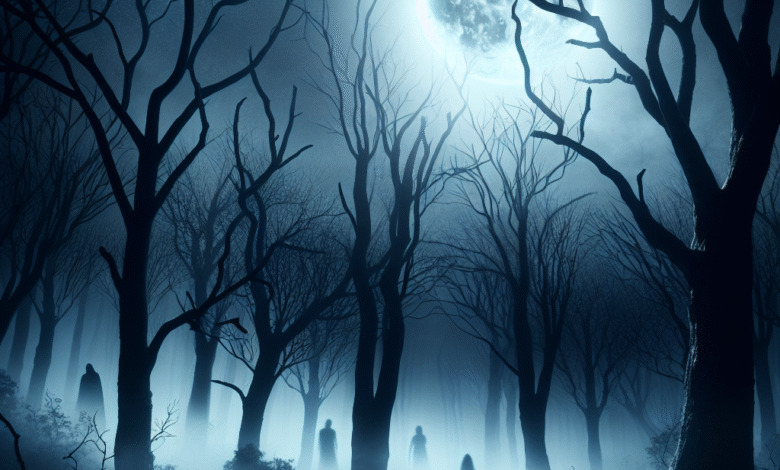
In a small, dreary village slumbering under a blanket of fog, the residents spoke in hushed tones about the Whispers of the Waking Dead. The legend had seeped into the cobblestones and walls of the creaking, old houses, fluttering like spectral fingers in the breeze. It was said that every hundred years, the boundary between the living and the dead grew thin, and on the precipice of that nightly silence, if one listened closely, they could hear the whispers of souls lost to the void. It wasn’t just a tale to scare children but also trepidation woven through the very fabric of their existence.
Lillian Abernathy had lived in the village her entire life. She was what one might call an inquisitive soul with a penchant for the inexplicable. Unlike the others who averted their gaze from the spectres of the past, she relished the stories passed down the generations, each word creating a tapestry of intrigue that sparked her imagination. They intrigued her, but they also terrified her, each whisper rolling through her mind like a heavy fog rolling through the moors.
As the year of the centenary approached, a palpable air of unease enveloped the village. Townsfolk barricaded their fears behind doors adorned with charms and protective talismans, but for Lillian, this fear ignited a flame of courage. She sought truth where others sought to bury the past. She would discover the secret of the whispers, not out of recklessness, but out of an insatiable longing.
One bleak evening, as shadows merged into darkness, Lillian decided to pay a visit to the ancient graveyard at the village’s edge. It had long been a place of reverence and dread, where the stones stood like sentinels honouring those who had departed, their names inscribed in weather-beaten letters. Autumn leaves crunched beneath her feet, and a chill seeped into her bones as she approached the wrought iron gates, which creaked ominously as she pushed them open.
The graveyard was nestled between two great oaks, their branches skeletal against the dimming light. The air thickened, and the whispers began, faint at first, so quiet it was almost possible to dismiss them as the wind rustling through the trees. But Lillian listened intently, straining to catch a syllable as she paced among the tombstones. Her heart raced; she could feel something shifting in the air around her—a palpable energy that electrified her skin.
She wandered deeper into the graveyard, seeking the oldest markers. Legends told that the forgotten souls were buried in the most shadowy corners, their stories untold and their desires lingering like the cold breath of winter. With every step, the whispers intensified, words curling around her consciousness like smoke. Words shaped by sorrow, longing, and regret—so near yet maddeningly indistinct. She drew closer to a particularly decrepit headstone, its features worn by time yet still legible: “Here lies Ecclesius Prentice, slain by his own hand, forever bound in twilight.”
As Lillian knelt, she felt a rush of energy pulling at her. The air shimmered, and the ground beneath her seemed to pulse, as if the dead were awakening from their long slumber. She pressed her palms against the cold stone, and a sudden wave of cold washed over her, like an icy grip wrapping around her heart. It was then she heard his voice, clear yet ephemeral, slicing through the silence: “Why do you seek the dead?”
“Ecclesius?” she whispered, her heart pounding in her chest, her breath hitching in her throat.
“I sought my own peace, yet it evades me still,” he replied, a distant echo surrounded by the murmurs of other voices clamouring to join the conversation—a cacophony of despair. “We are bound by choices unmade, words unsaid. Our whispers tell of our existence, but they also bind us.”
She felt a chill wash over her. “What keeps you here?” Lillian asked, captivated yet terrified.
“The weight of regrets, the burden of love that goes unfulfilled. The cycle of life was broken. Find your truth, Lillian, and perhaps you may free us all.”
The graveyard seemed to swirl around her. Shadows flickered, weaving into and out of existence as whispered secrets began to coalesce into a singular truth. The voices piled atop one another like a wave cresting—a collective yearning that drifted through time.
Lillian had expected fear, but instead found unquenchable sadness. These were not malicious spirits but echoes of troubled lives. Her heart swelled as she understood: they sought a listener, someone willing to hear their stories, to honour their lives by revealing their truths. With a sense of newfound purpose, she resolved to help them find release.
Returning to the village, the weight of their stories lingered in her heart. Night after night, Lillian ventured back to the graveyard, calling upon Ecclesius and the other souls she had encountered. In hushed vigils, she would sit among the gravestones, scribbling their tales in her journal. The grief of unbroken bonds and words long silenced began to shift within her.
On the eve of the centenary, the air felt electric. Tomorrow, the veil between the realms would be at its thinnest, and Lillian sensed the urgency of her task. She prepared a gathering of the villagers, careful to choose her words. She knew the fear that lay in their hearts, the dread of the unknown. But something had changed within her; she no longer felt fear when she thought of the spirits. Instead, she felt a deep kinship and the need to share their stories.
As night fell, Lillian stood before the gathered crowd in the village square, her journal clutched tightly in her hands. The villagers eyed her warily, uncertainty weaving through their ranks. “Tonight, we honour those we have lost,” she began, her voice unwavering. “We will listen to the whispers of the waking dead, for each has a story worth telling.”
Murmurs fluttered through the crowd. Some looked upon her as if she had lost her mind, while others leant forward, captivated by the courage shimmering in her words. Drawing in a shaky breath, she opened the journal, the pages whispering like silken strands.
One by one, she recounted the stories of the spirits—Ecclesius Prentice and his tragic end; Maudelyn Hargrove, whose life was consumed by unspoken love; Samuel Flemming, a haunting figure whose guilt from a past waged war against his peace. Each tale unfurled into the night, the air thickening with emotion. For every whisper Lillian shared, the atmosphere surged with a potent energy, the remnants of the dead intertwining with the living.
As the moon crested the horizon, the faint echoes that had trembled in the graveyard grew louder—a symphony of voices mingling, blending into a harmonious tribute. The villagers listened, some trembling, some weeping, but all gripped by the essence of what it meant to be alive, to be human, to feel. The stories began to weave between the people like an invisible thread—uniting shared loss, love, and longing.
With each word spoken, the boundary between life and death became porous. Lillian felt the weight of the whispered burdens begin to lift. The air sparkled as the tales flowed forth, at last breathed into existence. The spirits responded, their whispers transforming into a mellifluous hum, filling every corner of the graveyard, the village, and the hearts of its inhabitants.
As the night deepened, the energy of the whispers grew warm and comforting. The spirits, in their ethereal forms, materialised at the edges of the night—their faces a delicate glow, their expressions peaceful. They had waited so long for this moment, longing to be acknowledged and understood, and now could finally tread the liminal space freely.
The gathering turned from fear to celebration; Lillian led them in remembering their lost ones, encouraging the villagers to share their own stories—memories of their own departed loved ones. The whispers transformed from mournful cries into songs of tribute, weaving together the fabric of their community.
As dawn broke, the ethereal figures of the dead slowly dissipated, their voices lingering in the soft caress of the morning breeze. The villagers stood together, united in sorrow yet filled with an unprecedented sense of hope. They could no longer see the spirits, but they felt their presence resonating in every fibre of their being.
Lillian smiled, her heart aglow with the knowledge that she had not only given voice to the silenced souls, but had also freed them from the weight of their stories. The whispers of the waking dead had transformed into the whispers of the living, a reminder that while death may separate them in body, the echoes of their lives would endure, ever vibrant in the stories they left behind.


