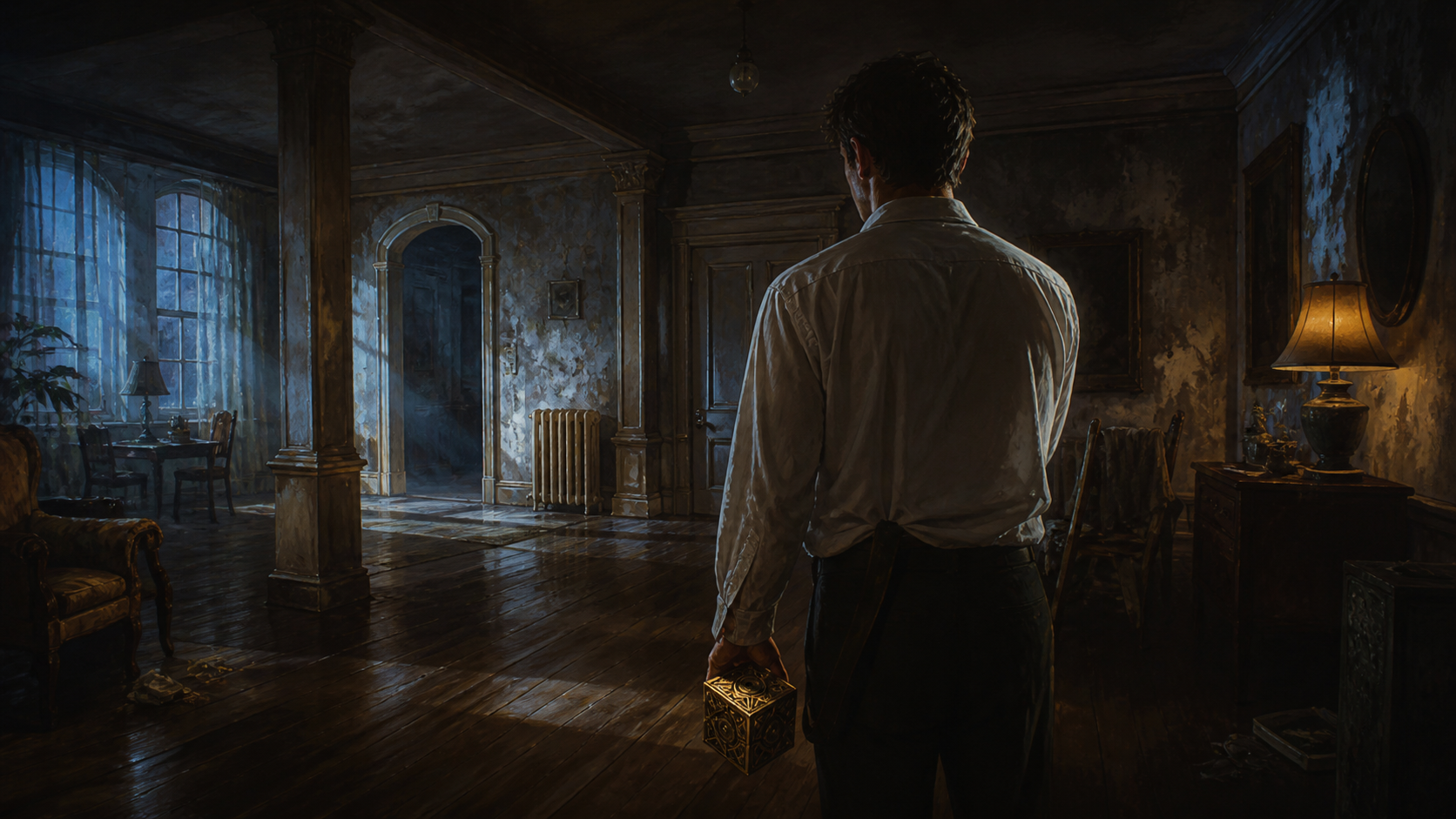
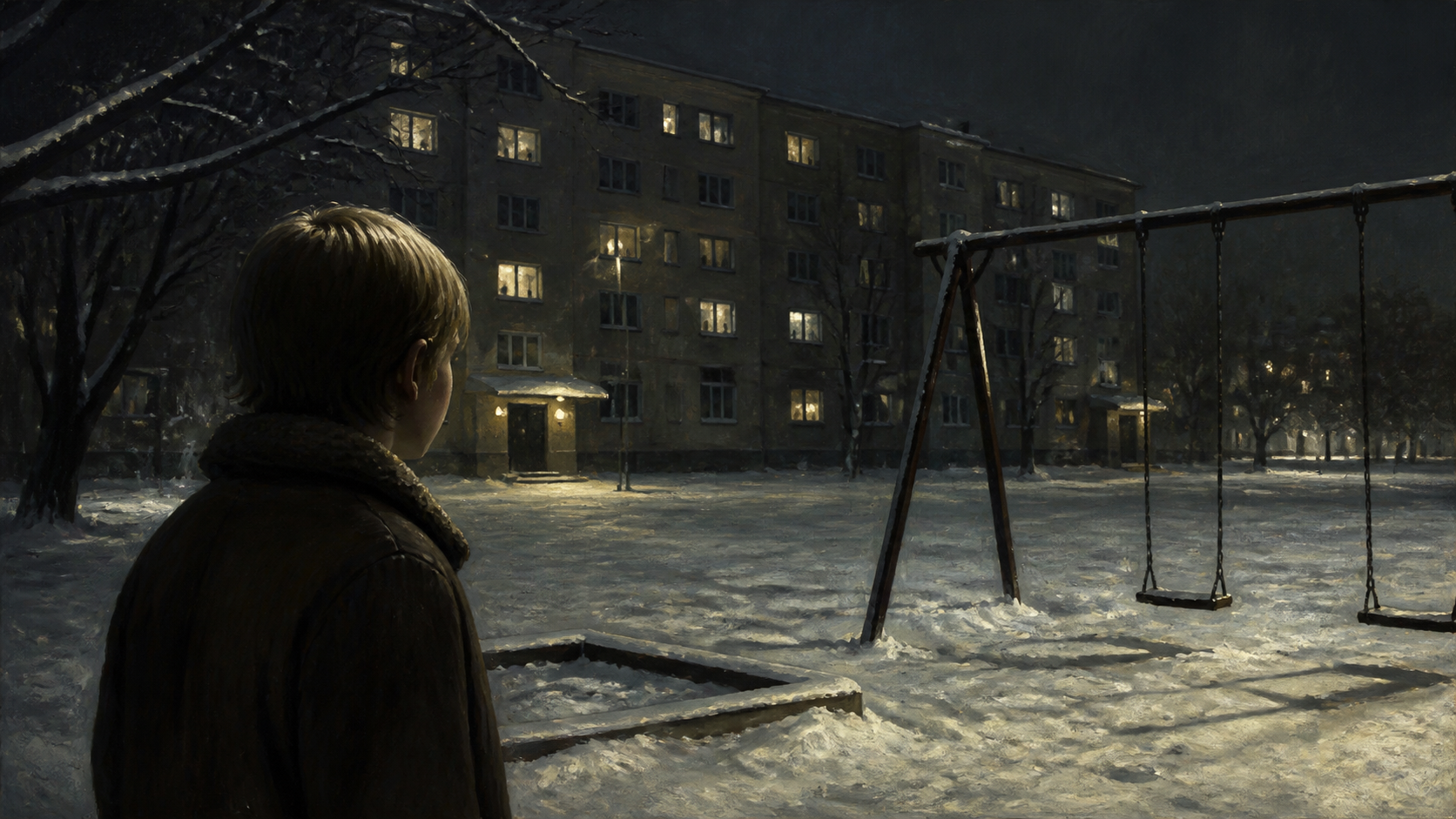
The Sixth Sense is a 1999 American supernatural horror film written and directed by M. Night Shyamalan. It centres on a child psychologist and a traumatised young boy who claims to see dead people, building a ghost story out of grief, fear and the uneasy possibility that the supernatural is not merely imagined. As horror goes, it sits in the quieter end of the spectrum: a psychological supernatural thriller with mystery elements, more concerned with dread, atmosphere and emotional damage than with shocks for their own sake.
The Film File
- Original release year: 1999
- Director: M. Night Shyamalan
- Writer: M. Night Shyamalan
- Principal cast: Bruce Willis as Dr. Malcolm Crowe; Haley Joel Osment as Cole Sear; Toni Collette as Lynn Sear; Olivia Williams as Anna Crowe; Trevor Morgan as Tommy Tammisimo
- Approximate runtime: 107 minutes
- Country of production: United States
- Relevant horror subgenres: supernatural horror, psychological horror, ghost story, mystery thriller
Behind the Screams
The Sixth Sense was Shyamalan’s breakout mainstream hit, but it was not his first feature. He had already directed Praying with Anger and Wide Awake, and by the late 1990s he had developed a screenplay that eventually became this film. The project was not adapted from a novel or short story. It was an original screenplay, and Shyamalan has described the film as drawing on childhood fears and on the spiritual assumptions of his upbringing rather than on a single literary source.
In established production terms, the film was produced by Frank Marshall, Kathleen Kennedy and Barry Mendel, and made through Hollywood Pictures and Spyglass Entertainment. The cast was a major part of the film’s impact: Bruce Willis brought star weight and a subdued, unexpectedly vulnerable performance, while Haley Joel Osment, already working as a child actor, anchors the film’s emotional core with a role that had to read as both frightened and observant. Toni Collette’s work as Lynn Sear is also crucial, because the film’s emotional credibility depends on the adult world feeling overwhelmed rather than theatrically simplified.
The production’s most important creative decision was the refusal to make the film play like a conventional haunted-house picture. Instead, Shyamalan and his collaborators shaped it as a carefully controlled mystery with horror pressure points. The visual strategy is plain rather than flashy, which helps the film feel less like a gimmick and more like a sealed emotional chamber. Its success also depended on secrecy around the ending, which became a major part of the film’s cultural impact after release. That secrecy is not a side note; it is central to how the film was marketed and discussed.
Into the Dark
The story follows Dr. Malcolm Crowe, a child psychologist trying to help Cole Sear, an anxious boy who believes he can see dead people. Cole’s fear is not treated as a cheap scare device. It is presented as a daily burden that isolates him at home and at school, while his mother Lynn struggles to understand whether he is traumatised, delusional or genuinely experiencing something beyond ordinary explanation. Malcolm, meanwhile, is personally unsettled by a failure from his past, and that unease feeds the film’s sense that both men are confronting unfinished business.
As the film develops, the relationship between Malcolm and Cole becomes less about diagnosis and more about mutual recognition. Cole’s visions are tied to the unresolved suffering of the dead, while Malcolm’s own role in the story slowly acquires a more troubling shape. The film keeps shifting between domestic drama, patient-therapist exchanges and supernatural encounter, so the suspense comes from piecing together what the hauntings mean rather than from waiting for another apparition. Its final movements are designed to reframe earlier scenes in a way that rewards close attention to behaviour, staging and dialogue.
Spoilers ahead: the following paragraphs discuss major plot developments.
The crucial revelation is that Malcolm is dead. He was shot by former patient Vincent Grey at the start of the film, survived only in the sense that the story lets him continue moving through the world as a ghost, and has been unaware of his own condition. The film’s earlier scenes are retrospectively redefined: he is not simply a psychologist working through a difficult case, but one of the dead figures Cole has been helping all along. That twist is not just a trick ending. It clarifies why Malcolm cannot affect the living in normal ways, why his marriage has become emotionally unreachable, and why Cole’s gift is so important. Cole is able to speak to the dead and, eventually, to help them resolve unfinished concerns, while Malcolm’s own unfinished concern is finally to accept his death and let go.
That ending gives the film an emotional architecture that goes beyond surprise. It turns a ghost story into a story about grief, misrecognition and the difficulty of helping someone when your own life is already over. Cole’s survival depends on learning to set boundaries with the dead, not on defeating them. Malcolm’s story, by contrast, becomes one of release. The film is at its strongest when it ties those two arcs together and refuses to treat the supernatural as separate from family pain.
What Gets Under Your Skin
The film’s atmosphere is its great strength, but not because it is relentlessly loud or hostile. Its power comes from how ordinary most of it feels. School corridors, suburban homes and therapy sessions are filmed as spaces where unease can settle without warning. That grounded setting makes the ghostly material more disturbing, because the film never seems interested in escaping the everyday world. The dead appear in the same spaces where a child is bullied, a marriage frays and adults fail to notice what is happening in front of them.
Shyamalan’s storytelling is the other major asset. The film is built around controlled disclosure, but it does not survive on its twist alone. It works because every scene has a job to do. Cole’s terror, Malcolm’s grief and Lynn’s exhaustion all keep the human stakes visible, so the supernatural material lands as an extension of emotional vulnerability rather than as an isolated effects showcase. That approach gives the film a rare balance: it functions as a mystery, a ghost story and a family drama without collapsing into any one of them.
The performances are essential to that balance. Osment avoids making Cole merely timid or eerie, and instead gives him the controlled strain of a child who has learned that speaking honestly can make life worse. Collette prevents Lynn from becoming a generic worried mother, grounding the film in fatigue, love and embarrassment. Willis, meanwhile, plays Malcolm with an almost painful restraint that suits the material, because his calm surface slowly accumulates dread once the story’s structure starts to make sense. The film depends on those performances staying emotionally legible even when the plot is withholding information.
Visually, the film is modest rather than showy. That is a virtue here. The compositions and lighting keep the world recognisable, which makes the supernatural interruptions feel like intrusions rather than attractions. The horror comes from recognition, from the possibility that the thing you have been trying to explain has been there all along. It is a film that understands that a ghost story can be more unsettling when it behaves like a drama about loneliness and miscommunication.
The Film’s Afterlife
The Sixth Sense was a major critical and commercial success on release. It was one of the defining films of 1999, became a huge box-office hit, and went on to receive six Academy Award nominations, including Best Picture, Best Director and Best Original Screenplay. That awards attention, combined with the film’s enormous commercial performance, helped make Shyamalan a household name almost overnight.
Its reputation has remained strong, though often in two different modes at once: as a twist-ending landmark and as a carefully made supernatural drama that would still work even if the ending were unknown. The film also helped cement the idea that mainstream horror could be elegant, grief-driven and commercially dominant without becoming self-parodic. Its influence is easiest to see in later prestige horror that mixes emotional realism with supernatural unease, while its franchise context is minimal. This is still primarily a standalone work, which is part of why it continues to matter.
Horripilations Verdict
A finely controlled ghost story that fuses emotional damage, mystery and supernatural dread with exceptional confidence.
What works
- Haley Joel Osment and Toni Collette give the film its emotional authority
- The twist is earned by the structure rather than pasted on
- The restrained style keeps the horror intimate and unsettling
What holds it back
- Its famous ending can overshadow the quieter craft that supports it
- A few stretches of the middle play more like carefully arranged setup than pure suspense