Dracula is the 1931 Universal horror film directed by Tod Browning, adapted from Bram Stoker’s novel and shaped by the stage version that had already made Bela Lugosi synonymous with the Count. It is a Gothic vampire story built around seduction, intrusion and predation, with a distinctive appeal that lies in its formal restraint: the film is more eerie and theatrical than it is violent, yet its poise, star turn and image-making still give it a strong hold on the imagination.
The Film File
- Original release year: 1931
- Director: Tod Browning
- Credited writer: Garrett Fort, from the play by Hamilton Deane and John L. Balderston, based on the novel by Bram Stoker
- Principal cast: Bela Lugosi as Count Dracula; Helen Chandler as Mina Seward; David Manners as John Harker; Dwight Frye as Renfield; Edward Van Sloan as Professor Van Helsing; Herbert Bunston as Dr Seward; Frances Dade as Lucy Weston
- Approximate runtime of the version specified: 74 to 75 minutes
- Country of production: United States
- Relevant horror subgenres: Gothic horror, vampire horror, supernatural horror
Behind the Screams
Dracula was made by Universal at the start of the sound era, when the studio was beginning to define the shape of American screen horror. It is based on Stoker’s 1897 novel, but the film’s immediate ancestry also runs through the 1924 stage adaptation by Hamilton Deane and the revised Broadway version by John L. Balderston. Those theatrical roots matter because they helped fix the film’s emphasis on dialogue, entrances and reactions, and they helped make Lugosi’s already familiar stage interpretation part of the screen version’s identity.
The production history is unusually well documented, and a few facts are especially important. Bela Lugosi was not simply a casting coup; he had performed the role on stage and brought with him a severe, stylised conception of Dracula that became inseparable from the character for generations of viewers. The film was shot in English, and Universal also produced a Spanish-language version on the same sets at night, directed by George Melford. That companion production has its own reputation, but the English-language film is the one that set the template for Universal’s monster cycle and for much of popular Dracula imagery thereafter.
Another key creative fact is the contribution of Karl Freund, who photographed the film with a strong sense of shadow, space and shape. Browning is the credited director, and the film is his, but the visual style is central to its effect. The film’s look draws on expressionist traditions and on the silent-era grammar of ominous entrances, held reactions and suspense built through composition rather than movement. There is a long history of anecdotes about production difficulties, including claims that Freund effectively guided large portions of the shoot, but the essential, verifiable point is simpler: the finished film blends Browning’s theatrical staging with Freund’s moody imagery and Garrett Fort’s stripped-down screenplay.
Universal’s publicity framed the film as “the story of the strangest passion the world has ever known”, and that phrase is revealing. This is not a monster movie in the later, more action-driven sense. It is a studio Gothic built from aristocratic menace, romantic charge and the fear of contamination, with horror emerging from entrances, silences and the sense that ordinary domestic life can be penetrated by something ancient and predatory.
Into the Dark
The story begins with solicitor Renfield travelling to Transylvania to complete a real-estate matter, only to fall under Dracula’s influence before reaching England. Once Dracula arrives there, the film shifts into a concentrated nightmare of household unease. He inserts himself into English society, feeds on the vulnerable and begins to exert a mounting influence over Mina Seward and Lucy Weston, while Professor Van Helsing recognises what the others are too slow to understand. The danger is both physical and social: Dracula invades bedrooms, disrupts courtship, and turns the institutions of rational Victorian order into weak defences.
What makes the plot work is the gradual tightening of pressure. The film does not try to overwhelm with incidents. Instead, it builds dread through a sequence of encounters in which Dracula’s self-control, his strange politeness and his unsettling fixity all make him more disturbing. Renfield’s madness provides one extreme of surrender, while Mina’s increasing vulnerability gives the story its emotional centre. The conflict becomes a matter of recognition and containment, with Van Helsing trying to convert scattered symptoms into a coherent explanation before Dracula can extend his hold any further.
Spoilers ahead: the following paragraphs discuss major plot developments.
As the threat deepens, Dracula’s attacks on Lucy escalate and the film makes clear that he is not merely a nocturnal intruder but a parasite who turns affection and care into routes of access. Van Helsing eventually identifies the vampire nature of the danger, and the struggle becomes one of exposure, intervention and pursuit. Dracula’s power is real, but so are the vulnerabilities of the people around him: their disbelief, their separation from one another and their inability to read the evidence in front of them.
The ending resolves the conflict through a coordinated assault on Dracula’s lair. When the group finally corners him, the film moves from investigative unease to direct supernatural confrontation, and Dracula is destroyed in the conventional vampire manner of the period. The importance of the ending lies less in surprise than in its confirmation of the film’s central idea: evil here is persistent, seductive and difficult to name, but once named it can be hunted down. The plot is simple on paper, yet the film’s power comes from the way it lets that simplicity unfold as a sequence of social disruptions and private terrors.
What Gets Under Your Skin
The film’s atmosphere is its most obvious strength, but “atmosphere” can become a lazy catch-all, so it is worth being specific. Dracula is unnerving because it treats silence, stillness and formal courtesy as signs of danger. Lugosi’s performance is crucial here. He does not play Dracula as a rampaging brute. He plays him as controlled, courtly and slightly remote, which makes the moments of threat feel colder. The famous cadences of his speech matter, but so does the discipline of his physical presence. He seems to arrive already knowing the room, the people in it and the weakness he intends to exploit.
Dwight Frye’s Renfield is the film’s wildest performance and the one most obviously aligned with the grotesque. He supplies the movie with fever, distortion and a running reminder that Dracula’s influence is not abstract. Renfield is not just comic grotesquerie or a mad supporting role added for colour. He is the clearest visible sign of what submission to Dracula does to a human being. That contrast between Lugosi’s composure and Frye’s desperation gives the film a useful dynamic range that prevents it from becoming monotone.
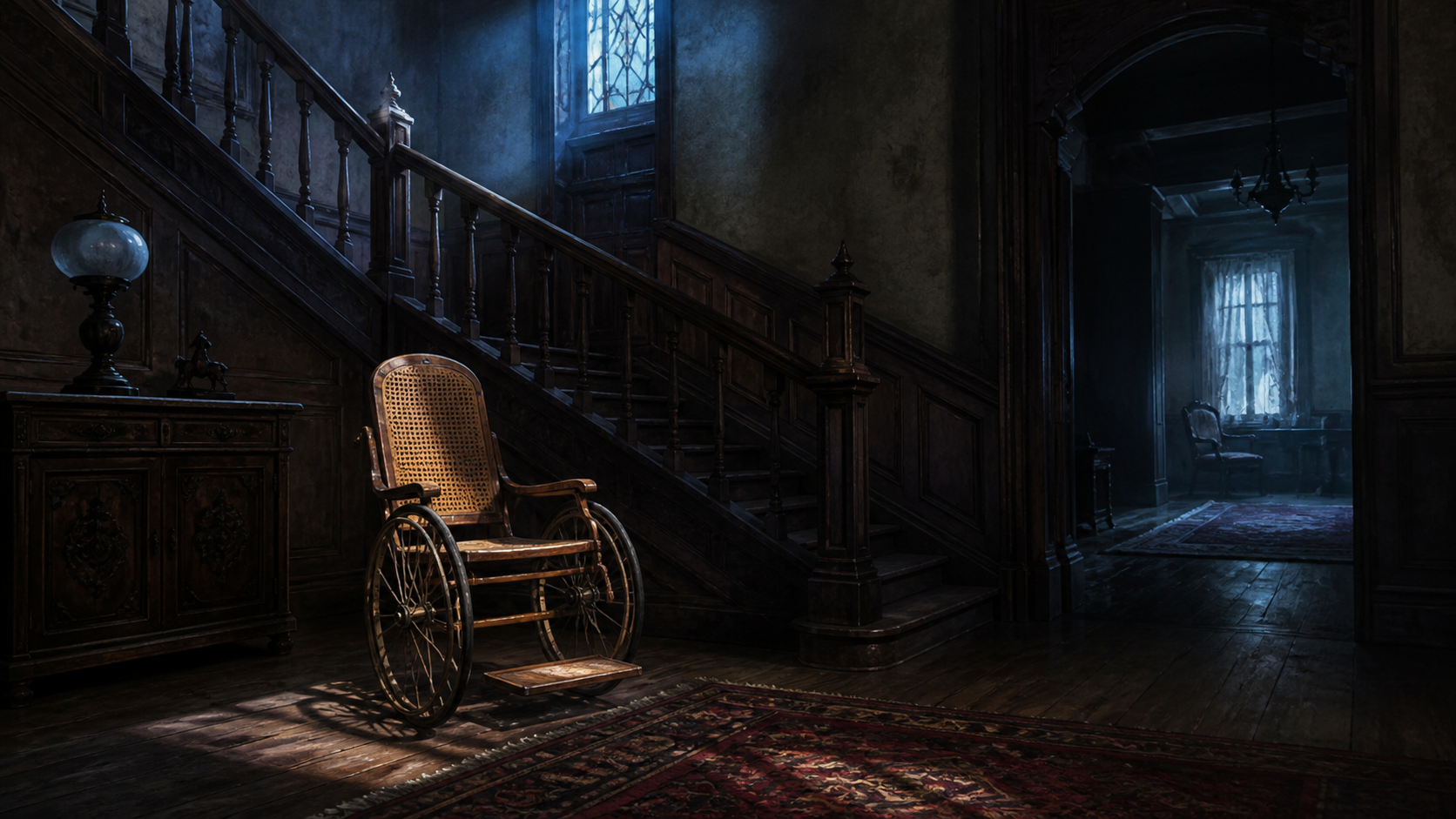
Visually, the film is strongest when it uses shadowy interiors, looming staircases and enclosed rooms to make the castle and the English household feel like variations on the same trap. The sets are not elaborate in a modern spectacular sense, but they are arranged to let faces, gestures and pauses dominate the frame. The result is a horror film that depends less on shocks than on visual authority. Dracula often seems more disturbing because he is presented so calmly. That calmness becomes a threat in itself.
The story structure can feel abrupt by later standards, and some transitions are brisk almost to the point of bluntness. That is partly a product of the era, but it also means the film’s momentum depends heavily on mood, performances and iconic moments rather than on sustained narrative complication. For viewers who prefer the layered plotting of later vampire films, the simplicity may feel limiting. Yet within its aims, that simplicity is also part of the design. The film is not trying to build a puzzle box; it is trying to establish a new screen vocabulary for supernatural dread, and it does that with unusual clarity.
As a horror film, it is more suggestive than explicit. There is little gore, and very little of the bodily spectacle that later horror would make standard. That restraint is not a defect. It allows the film to work through implication, taboo and the fear of unseen attack. The vampire remains frightening precisely because the film does not over-explain him. He is a figure of appetite, aristocratic decay and invasive power, all held together by a performance that makes the supernatural feel oddly plausible in drawing-room terms.
The Film’s Afterlife
Dracula was a substantial success on release and quickly became one of the foundational texts of Universal horror. Its influence is hard to overstate, but the more interesting point is how directly it fixed the public image of Dracula himself. Lugosi’s interpretation, with its accent, poise and severe glamour, became the most recognisable screen version of the character, and the film helped make the vampire a lasting studio horror icon rather than a one-off literary adaptation. The Library of Congress later selected it for the National Film Registry in 2000, underlining its status as a landmark in American film history.
Its reputation has also been complicated by the fact that it sits beside the Spanish-language version, which some later commentators have praised for its camera movement and visual energy. That debate has sharpened interest in Browning’s film rather than diminishing it. Even where viewers prefer the Spanish production, the English-language Dracula remains the version that defined the iconography, the performance style and the commercial future of Universal monsters.
Horripilations Verdict
A landmark Gothic vampire film whose power comes from poise, performance and atmosphere rather than spectacle. Its narrative is lean and sometimes abrupt, but its central image-making is so exact that it remains one of horror cinema’s defining foundations.
What works
- Bela Lugosi's iconic, controlled performance
- Karl Freund's shadow-rich visual style
- Dwight Frye's feral, unsettling Renfield
What holds it back
- The plotting can feel compressed by modern standards
- Some stage-bound staging is part of its period style but can feel static