Strigoi are among the most unsettling figures in Romanian folklore: the dead, the doomed, or the spiritually compromised who are believed to rise after death and trouble the living. In modern horror writing they are often translated loosely as “vampires”, but the traditional picture is broader and more unsettling than that single word suggests. Depending on the region and the teller, a strigoi may be a restless corpse, a living person marked by an ominous fate, or a troubled spirit that leaves its grave to drain vitality, spread sickness or harass the household it once knew. That flexibility is part of what makes the figure so potent. It is less a fixed monster than a cluster of fears about death, improper burial, inherited misfortune and the dead refusing to stay put.
Origins in Romanian folklore
The word strigoi belongs to the folklore of Romania and the surrounding Balkan world. It is often discussed alongside other regional terms for the undead, and it has attracted the attention of folklorists because it sits at the intersection of vampire belief, ghost lore and witchcraft. In broad terms, the strigoi tradition emerged from rural conceptions of death in which the boundary between the living and the dead was dangerously porous. A person could become a strigoi because of how they were born, how they lived, how they died or how their body was treated after death. Some traditions also distinguished between a living strigoi and a dead strigoi, with the former being a living person marked by an uncanny or harmful destiny and the latter a revenant or undead being. The exact categories vary by locality, but the underlying fear is consistent: the wrong person, or the wrong corpse, can become a source of continuing harm. ([encyclopedia.com](
Strigoi beliefs are not isolated curiosities. They belong to a wider eastern and south-eastern European complex of vampire-like traditions in which the dead may return if they are not properly buried, if they die violently, if they are socially marginal, or if they are believed to carry a curse. Romanian folklore is especially important in the modern history of vampire belief because it supplied many of the motifs later popularised in Gothic literature and film. Yet the traditional strigoi is not simply a literary vampire in local costume. The figure is rooted in peasant religion, custom and anxiety about the dead, and its meaning is shaped by local practice rather than by any single authoritative description. ([encyclopedia.com](
What a strigoi is supposed to be
Descriptions of strigoi vary, but several traits recur. A strigoi may rise from the grave, often at night, to attack relatives, neighbours or livestock. The harm is not always described as a dramatic blood-drinking attack in the later cinematic sense. Traditional accounts can include wasting illness, unexplained weakness, infertility, crop failure, death in a family or general misfortune. In some tellings the creature feeds on blood, in others on breath or life force, and in still others it simply torments the living through its return. This ambiguity is one reason the strigoi is so effective as a horror figure. It embodies not only the fear of being physically attacked, but the dread that something invisible is eroding the household from within. ([encyclopedia.com](
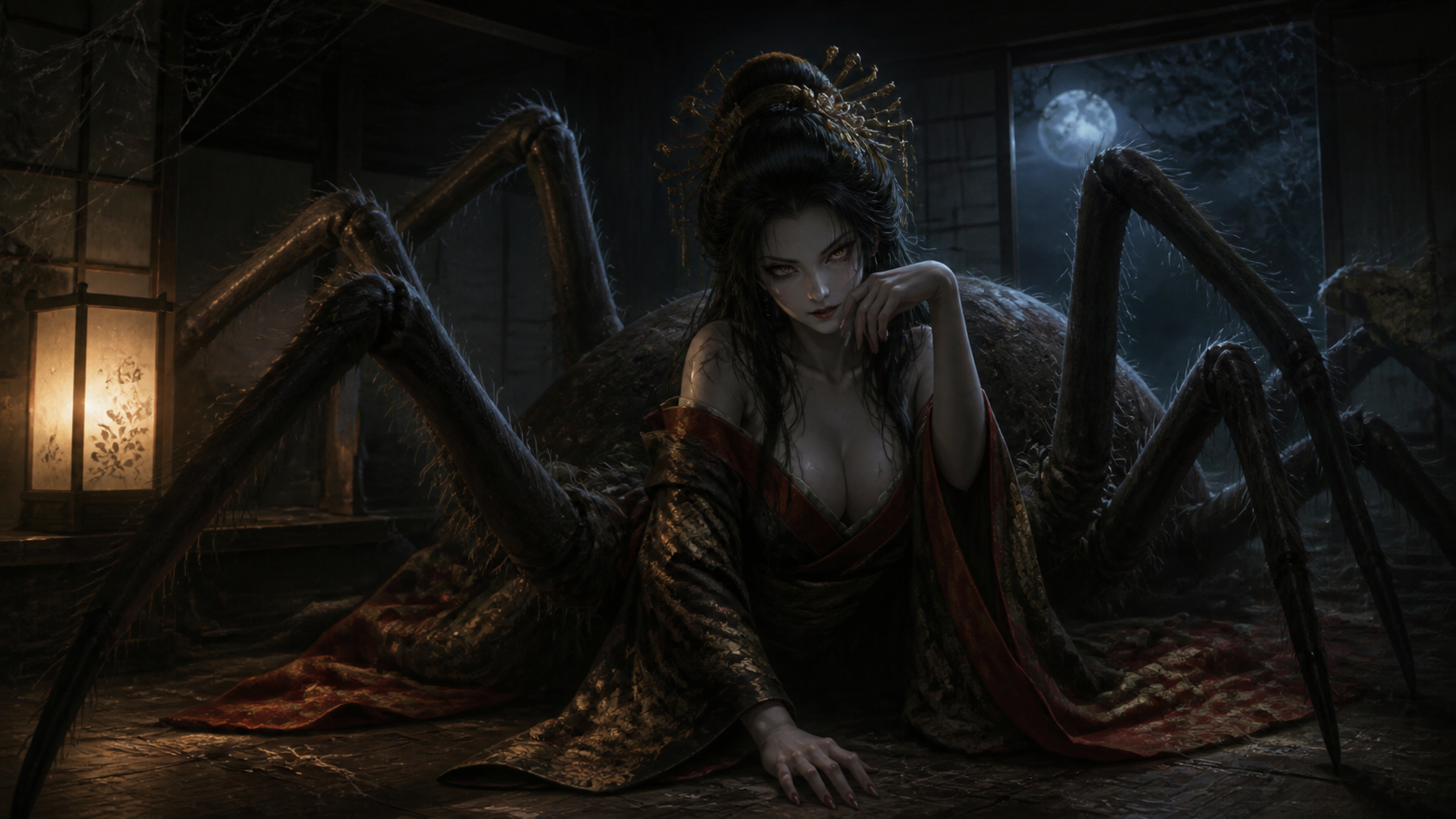
Appearance, too, is variable. Folkloric vampires in general are often described as grotesque rather than alluring, and the strigoi belongs to that older, more rural imagination. It is not the polished aristocratic seducer of later fiction. Instead, it is usually imagined as a decaying corpse, swollen or distorted, with a diseased or uncanny aspect. At the same time, folk belief does not always require a visible monster. The danger may reside in what the community infers from a sequence of misfortunes, deaths or signs at the grave. In other words, the strigoi is as much a social diagnosis as a zoological creature. ([encyclopedia.com](
How someone becomes a strigoi
Folklore surrounding strigoi often focuses on causes. A person might become one because of a troubled death, such as suicide, murder or other forms of death considered improper. Some traditions attach the condition to social or bodily markers: being born under an unlucky sign, being the seventh child, being excommunicated, or having certain unusual physical traits. These beliefs differ by region and should not be treated as a single universal system, but they reveal a common idea. Death alone is not enough to make a safe corpse. The dead must be ritually and socially settled. If they are not, they may return in corrupted form. ([encyclopedia.com](
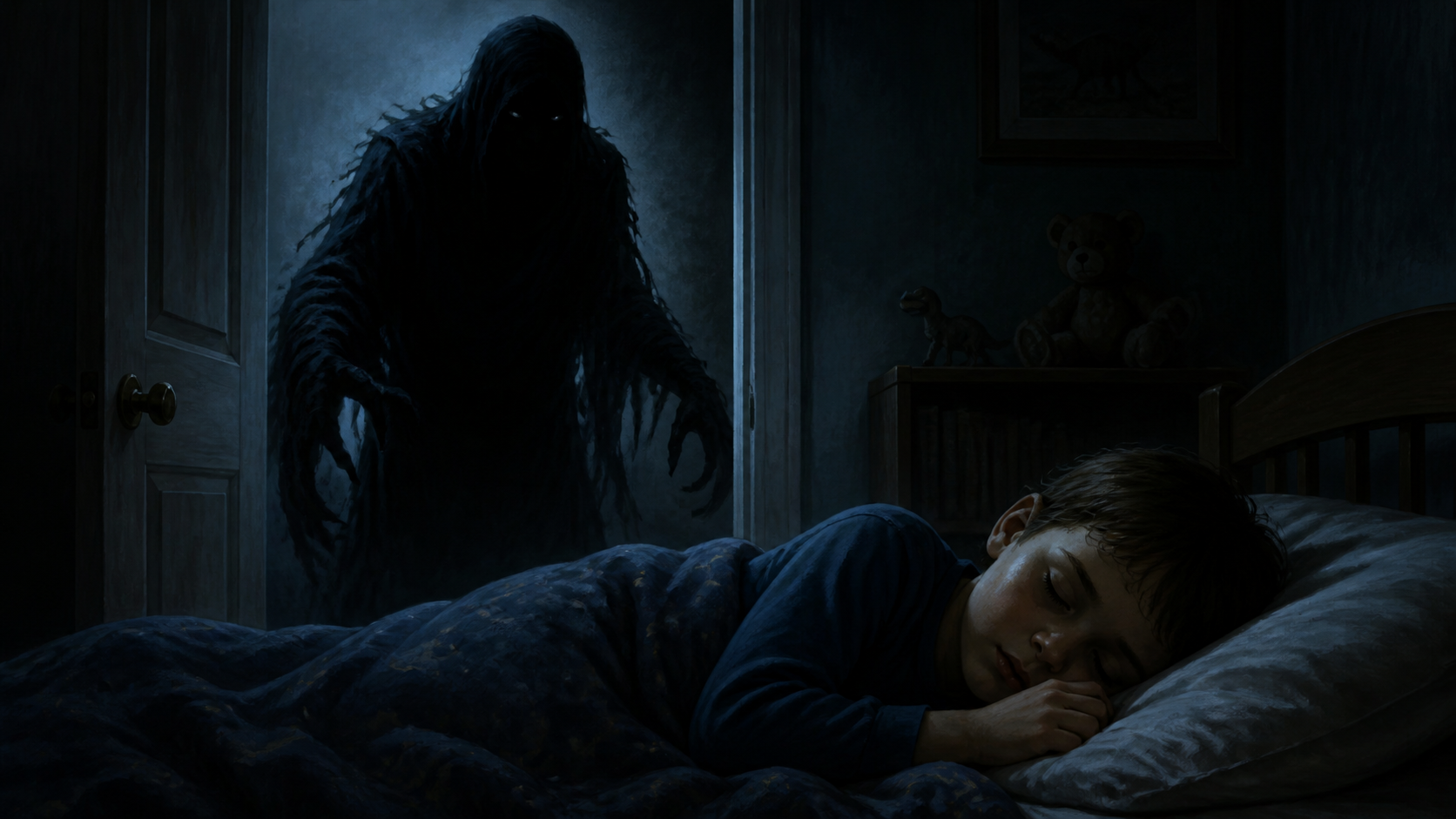
Family and social relationships also matter. In many European vampire traditions, the person most likely to return is not a stranger but someone with unresolved ties to the community. The strigoi therefore captures a particularly intimate terror: the dead may come back not from some distant crypt, but from the circle of kin, neighbours and remembered obligations. That makes the figure especially disturbing in a domestic setting. It is not an abstract demon from the wilderness. It is the household dead gone wrong. ([encyclopedia.com](
Rituals, protections and destruction
Traditional responses to suspected strigoi show how seriously such beliefs could be taken. Folkloric measures across eastern Europe commonly included exhumation, inspection of the corpse and attempts to immobilise or destroy it if signs suggested post-mortem activity. Those signs might be read from the condition of the body, though modern readers should be careful here: what later observers called “vampiric” signs were often the natural effects of decomposition misunderstood through the lens of fear and custom. Communities also used preventative measures at burial or during mourning in order to stop the dead from returning in the first place. ([encyclopedia.com](
Specific apotropaic measures associated with vampire belief across the region include staking, decapitation, burning and the use of protective substances or signs. Not every such measure belongs to every local strigoi tradition, and it would be misleading to present them as a fixed rule-book. Still, these practices are important because they show how the creature crossed from story into ritual behaviour. The strigoi was not only narrated; it was managed. Fear became procedure. ([encyclopedia.com](
Related beings and overlapping traditions
The strigoi is best understood in relation to other folkloric figures rather than as a standalone invention. The term is linked to a broader family of night-haunting or undead beings in south-eastern Europe, including variants of vampire and werewolf belief. Older classical and medieval traditions also contributed to the vocabulary of the undead in Europe, and the strigoi can be seen as part of this long, tangled history rather than as a creature that appeared fully formed in one place and time. In that sense, it is both local and international: recognisably Romanian, yet connected to a much wider set of ideas about revenants, restless dead and shape-shifting threats. ([encyclopedia.com](
Some modern sources note that the strigoi has been used almost interchangeably with “vampire” in popular writing, but that simplification can obscure important differences. The literary vampire that became famous in the nineteenth and twentieth centuries is usually individual, seductive and aristocratic. The folkloric strigoi is often more communal, more entangled in kinship and burial custom, and more closely tied to misfortune in everyday life. It belongs to a world in which the village and the graveyard are in constant conversation. ([encyclopedia.com](
From folklore to Gothic vampire
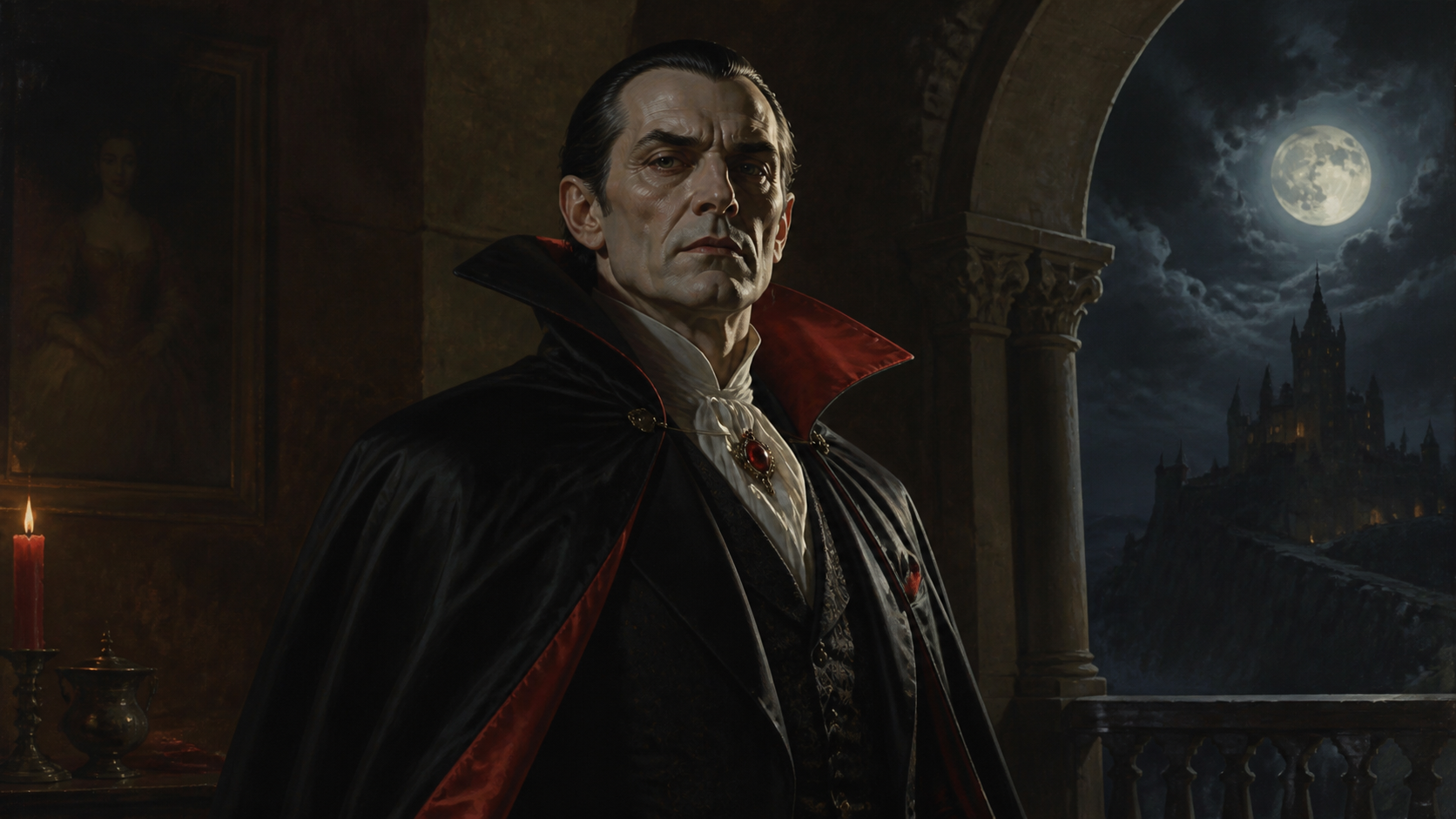
The strigoi acquired wider fame through the modern vampire tradition, especially after Bram Stoker’s Dracula made Transylvania and eastern European vampirism part of the international Gothic imagination. Stoker did not simply copy one folklore figure into his novel, and Dracula is not a strigoi in any strict, ethnographic sense. But the broader regional reputation of Romania, and the association of the area with vampire lore, helped create the atmosphere from which the modern vampire emerged. Once that happened, many nuances of the traditional strigoi were absorbed into a more glamorous and commercially successful creature. ([encyclopedia.com](
This shift matters. Folklore often survives in popular culture through transformation rather than direct preservation. The strigoi was reshaped by literature, film and tourism into something that could stand alongside Dracula, the Count, the undead nobleman, the seductive predator. Yet the original folk figure remains distinct. It is older, rougher and far less concerned with elegance. Its horror lies in the intimacy of contamination: one of the dead may not stay dead, and the community may have to face the fact that its own burial customs, family lines or moral order have failed. ([encyclopedia.com](
Modern culture and continuing appeal
In modern fiction, games and horror commentary, strigoi are often portrayed as vampire-like monsters with heightened aggression, speed or feral appetites. Those later versions borrow freely from the folklore while simplifying it for narrative use. That is not necessarily a flaw, but it should not be confused with the original tradition. What modern audiences inherit is the atmosphere of the strigoi more than its full cultural logic: the sense of an undead menace returning from the margins of the family and the grave, and the bleak suggestion that death is not a stable boundary but a temporary arrangement. ([encyclopedia.com](
The figure remains effective because it is both specific and adaptable. It is rooted in a particular Romanian and Balkan folklore context, yet its core anxieties are universal. The strigoi speaks to the fear that the dead may still possess claims upon the living, that the body may harbour a lingering corruption, and that ordinary domestic life can be invaded by something not fully gone. It is not just a monster from the past. It is a reminder that in folk belief, death is never entirely clean, and the grave may not be as final as people hope.