The bogeyman is not one creature so much as a shifting shape of fear: a name attached to the thing in the dark, the threat at the window, the punishment waiting for children who do not behave. In English-speaking tradition, the bogeyman is usually less a fixed monster than a household terror, summoned in warning and remembered in dread. Yet the idea is older and broader than any single bedtime threat. Across Europe and beyond, similar figures appear in folklore as child-snatchers, shadowy intruders, or nameless beings used to embody the anxieties of parents, communities and cultures.
What the bogeyman is
The bogeyman belongs to the family of bogeys, bogles, bugaboos and other scare figures that function as threats rather than fully described beings. In some tellings it is male, in others female, and in many it has no stable form at all. It may lurk under beds, hide in cupboards, prowl roads at night or wait just outside the light of the hearth. What matters is not appearance but effect. The bogeyman is the monster that can become whatever a frightened listener most dreads.
That fluidity is central to its survival. Unlike vampires, werewolves or ghosts, the bogeyman does not need a consistent biology, origin or set of powers. It thrives as a folkloric blank space. Parents, nurses and storytellers can fill it with local detail, turning it into a shape that reflects whatever behaviour needs curbing or whatever danger the community most fears.
Origins and name
The word’s history is tangled, and scholars have not agreed on a single secure origin. English uses of bogey, bogy and related forms appear from the early modern period, often with the sense of a frightful or supernatural being. The specific label bogeyman developed later as a personalised monster, a being that haunts children and threatens punishment. The term may be linked to older dialect words for spectres or hobgoblins, but the etymology remains uncertain.
What is clearer is that the bogeyman as a named category of monster became especially visible in print from the eighteenth century onwards, when literature and nursery lore helped stabilise the figure in English. Before that, comparable beings existed under other names. English folklore has long been rich in local bogies, boggarts and bogles, which often served a similar function as threats in stories, warnings and place-based belief.
There is also a practical history behind the name’s spread. In Britain, one influential line of usage appears to have been encouraged by the early nineteenth-century figure of “Boney”, the popular nickname for Napoleon Bonaparte. In satirical and cautionary verse, “Boney” could blur into “bogey” and “bogeyman”, linking political fear with nursery terror. That does not mean the bogeyman was invented for Napoleon, only that the word and concept were flexible enough to absorb new anxieties.
Appearance and behaviour
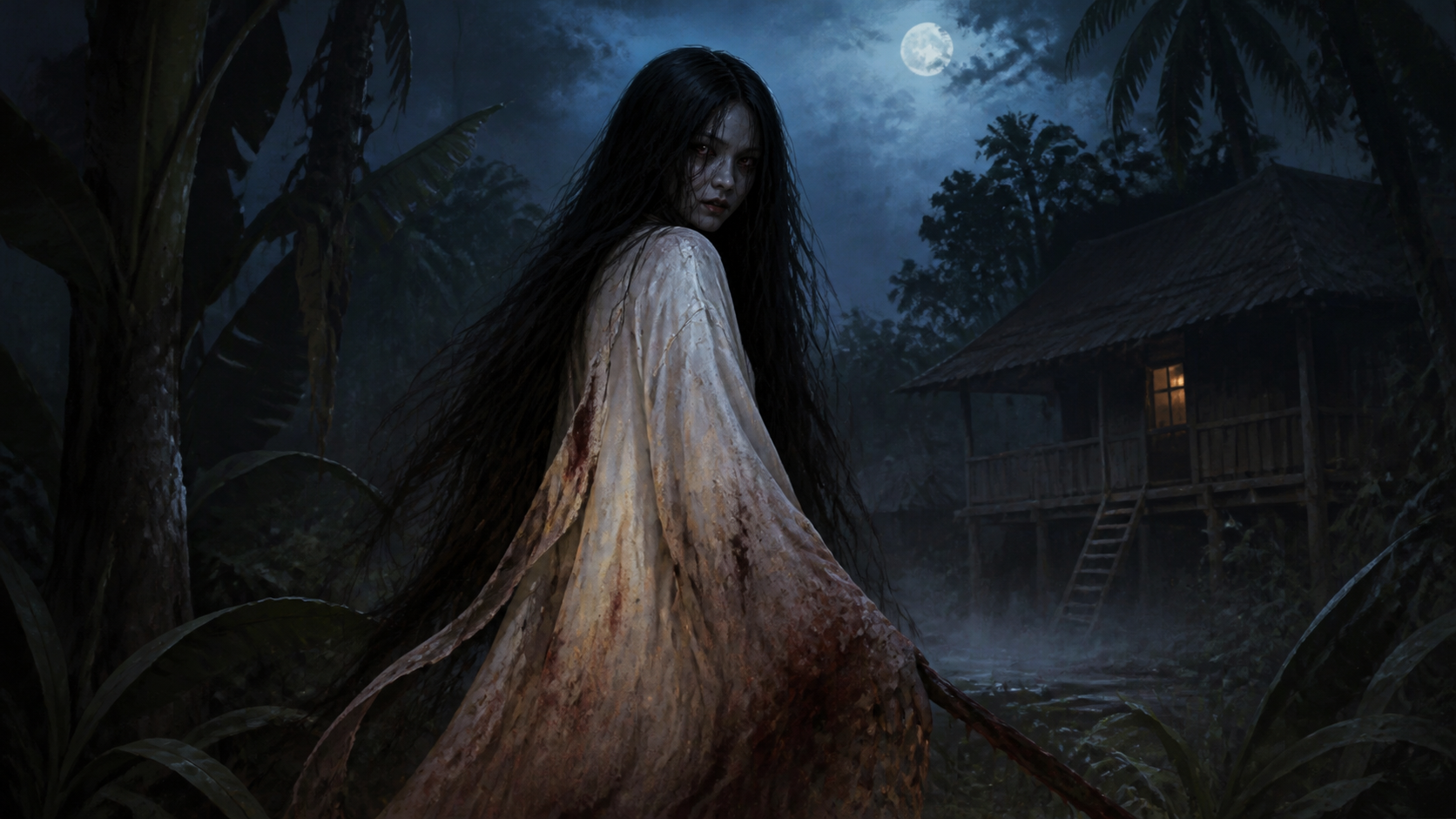
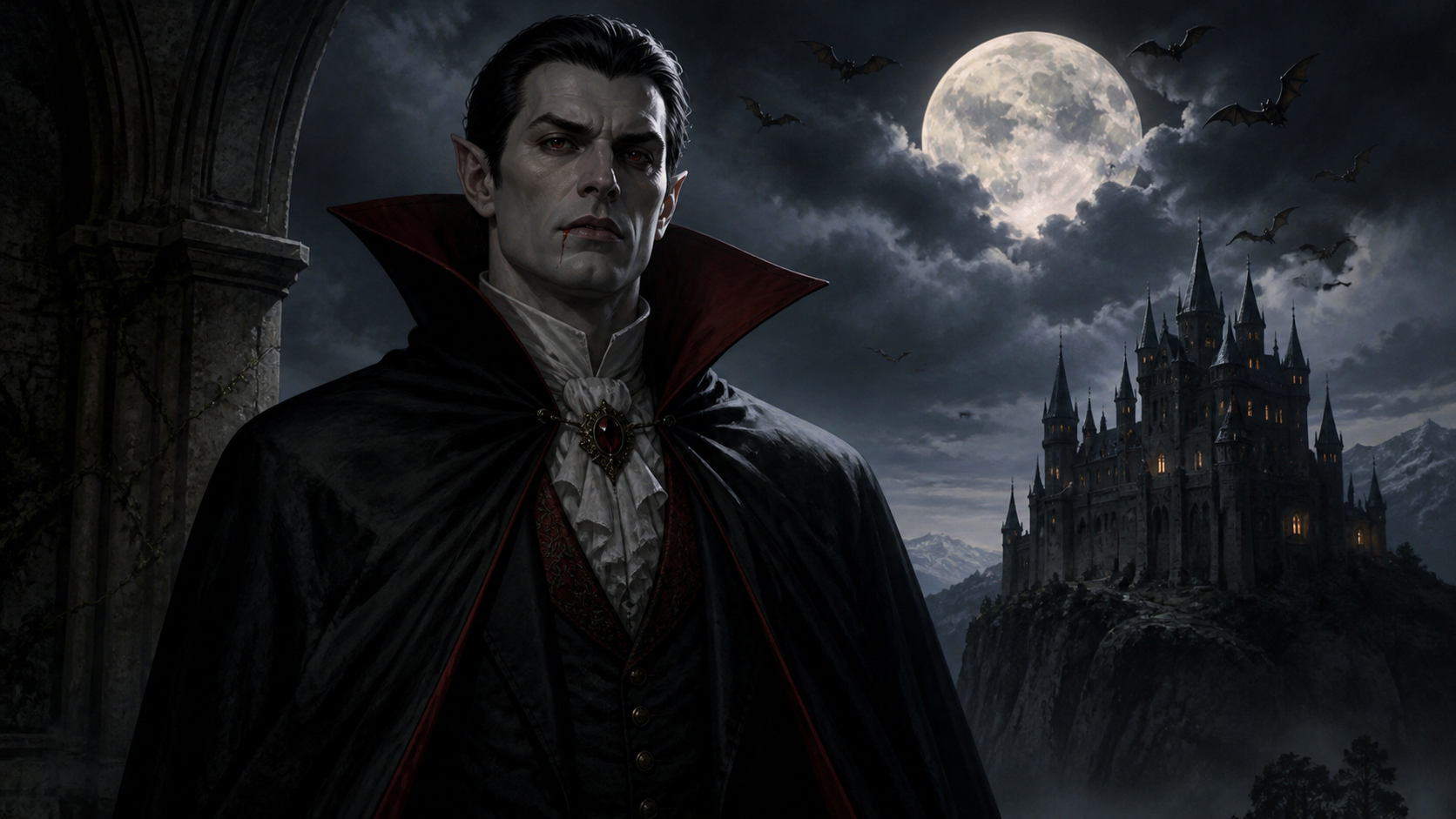
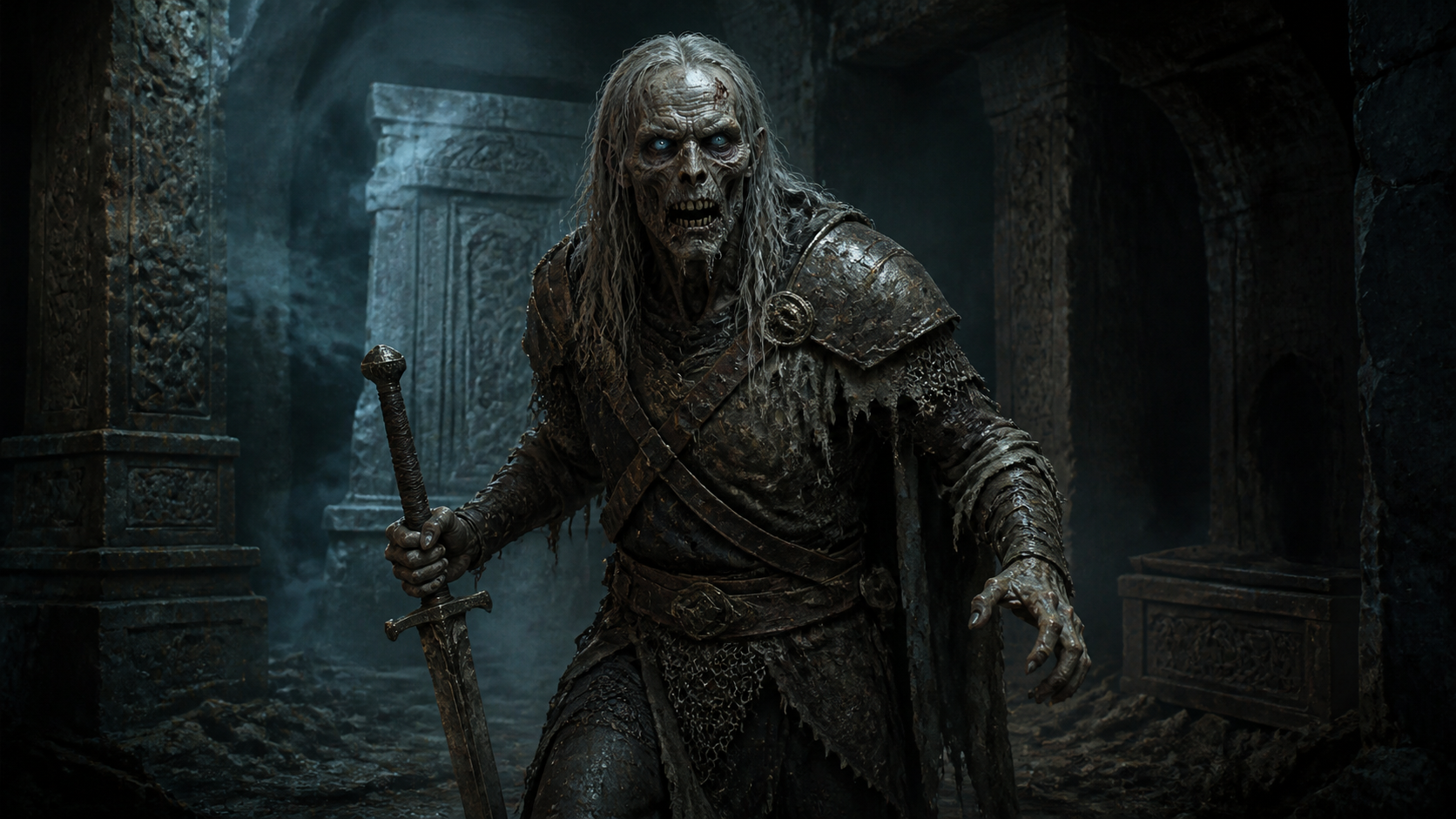
If the bogeyman has a canonical appearance, it is that it has none. In some traditions it is a dark male presence, large and grim, with claws, a sack, a club or a taste for naughty children. In others it is more like an invisible watcher, a whisper in the room or a shape glimpsed too late. Regional versions can attach it to the boggart, the bogle, the booger, the bugbear or the bogey itself, each with local colouring but overlapping functions.
Its behaviour is usually simple and brutal. The bogeyman warns, chases, carries off or devours. In many stories it punishes children who stray after dark, lie, disobey or venture where they should not. It may also stand in for more general domestic discipline, becoming a portable threat parents can invoke without needing to explain real dangers. In this way it works less as an encountered beast than as a social instrument, a monster made useful by uncertainty.
That usefulness is part of what makes the bogeyman so memorable. It can be imagined everywhere and nowhere. It can live in the wardrobe, the alley, the cellar, the fields or the imagination itself. Because its form is so open-ended, it can adapt to different eras with very little strain. A rural child might picture a rough woodland hag or goblin; a modern child may picture a faceless intruder in the dark. The shape changes, but the pressure remains the same.
Bogeymen in folklore around the world
Although English gives the creature its famous name, the basic idea is widespread. Many cultures have equivalent figures used to frighten children into obedience or to give form to nocturnal uncertainty. The Spanish-speaking world has el Cucuy, a fear figure that often functions much like the bogeyman. In German folklore, several local figures serve the same role, while other languages have their own versions of the child-catcher or night spirit.
This is not merely a matter of translation. Folkloric bogey figures tend to absorb local settings, family habits and community worries. A coastal region may imagine a monster that drags children to the sea. A farming community may picture something that prowls lanes and hedgerows. Some versions are explicitly associated with the protection of thresholds, with children warned not to go too near forests, water, mines or roads after dusk. The bogeyman is therefore best understood as a cultural pattern rather than a single character.
British and Irish traditions have especially rich local variants. Boggarts, bogles and related figures often appear as household or place-haunting spirits, sometimes prankish, sometimes malevolent. Other English bogey figures were used as names for threatening beings in children’s lore and in regional storytelling. These are not all the same creature, but they form a related family, and the bogeyman sits comfortably among them as the most general and portable version of the type.
From folklore to nursery threat
One reason the bogeyman has remained so durable is that it is less a literary invention than a social habit. It lives in the gap between story and discipline. Adults have long used it in warnings, songs and offhand threats, not because they expect a literal monster to appear but because the figure can be made to stand in for consequences that are difficult to explain or enforce. The bogeyman therefore belongs to the practical economy of childhood fear.
This has also made the figure uneasy to modern ears. What once functioned as ordinary cautionary language can now seem harsh or manipulative. Yet the bogeyman persists because it condenses several emotions at once: fear of the dark, fear of strangers, fear of punishment and fear of the unknown. It is a monster with no stable home, but a clear social purpose.
The figure also reveals something important about folklore itself. It does not survive by precision. It survives by variation. Each retelling can adjust the bogeyman’s face, territory and methods without breaking the idea. That makes it one of the most portable monsters in popular imagination, equally at home in oral tradition, literary allusion and modern horror.
In literature and popular culture
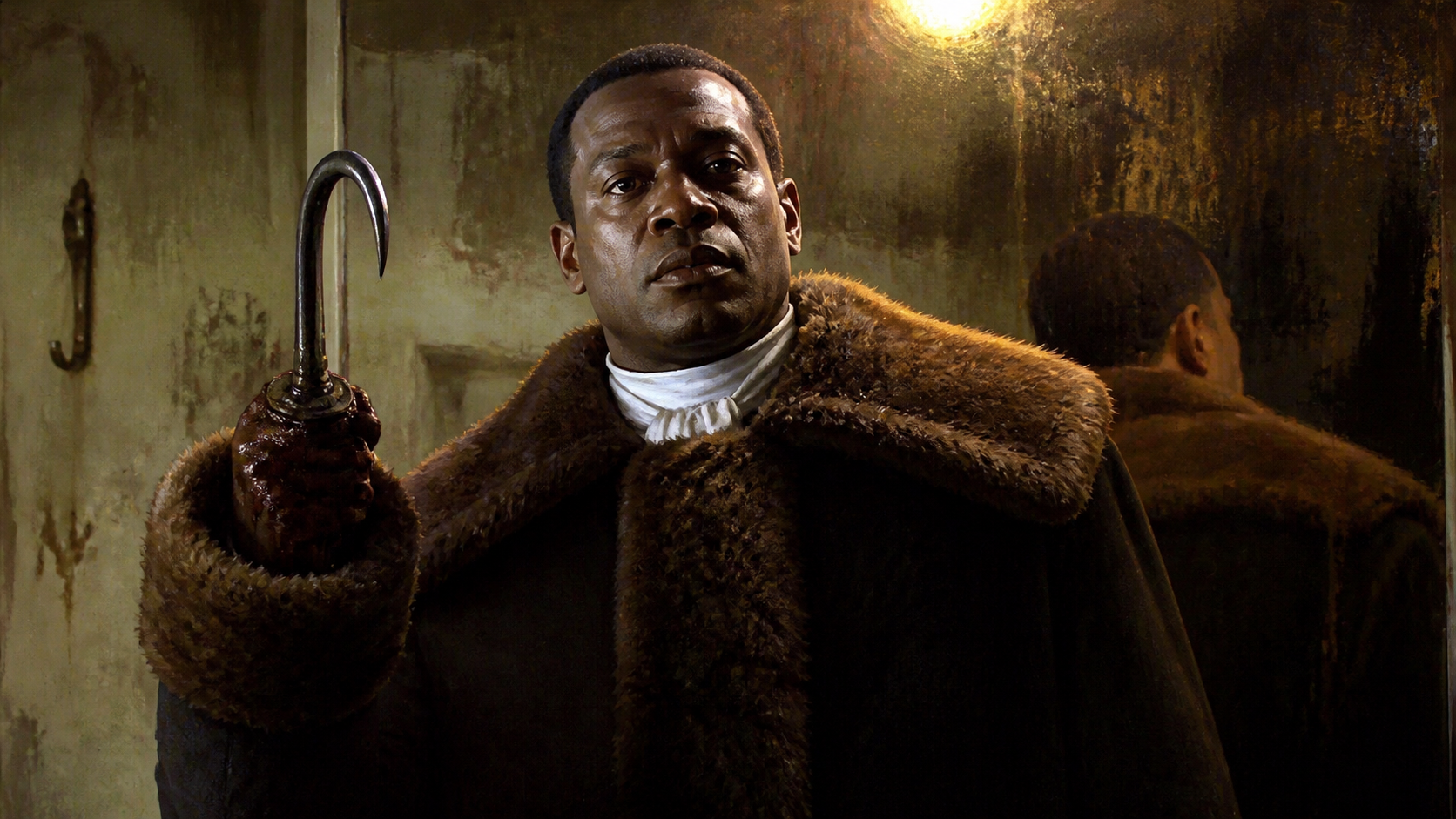
Because the bogeyman is so adaptable, it has been repeatedly reinvented in fiction, from children’s tales to horror films and novels. In some works it appears almost unchanged from folklore, a shadowy figure used to scare the young. In others it becomes a symbolic predator, a masked killer, a supernatural stalker or the embodiment of trauma itself. The name is often retained even when the details depart sharply from tradition.
That flexibility helps explain why modern horror continues to return to the bogeyman idea. The monster is not constrained by a single mythology, so writers and filmmakers can load it with whatever contemporary fear they wish to explore. It can be domestic terror, childhood memory, urban anxiety, parental guilt or the suspicion that evil has no face and no fixed address. When horror needs a form for nameless dread, the bogeyman is ready-made.
In some modern usages, the term is even broader than the creature itself. It can refer to any feared or demonised figure, a political bogeyman, a social scapegoat or the imagined enemy used to stir panic. That metaphorical life is another reason the word remains active. The bogeyman has escaped the nursery and entered public language as shorthand for something invented, exaggerated or strategically frightening.
Why the bogeyman endures
The bogeyman endures because it is almost impossibly adaptable. It can be a local ghost, a child-snatcher, a moral warning, a political insult or a modern horror icon. It can be named, half-seen or entirely invisible. Unlike monsters with strict lore, it does not need rules in order to work. Its power lies in being recognisable even when it is never fully described.
That is also what makes it frightening. The bogeyman does not ask the audience to believe in a specific monster. It asks them to feel the pressure of something beyond the edge of sight. It turns fear into a household presence and gives shape to anxieties that are otherwise diffuse. As a result, it remains one of folklore’s most effective inventions: a creature that can be anything, precisely because it is meant to be what frightens you most.