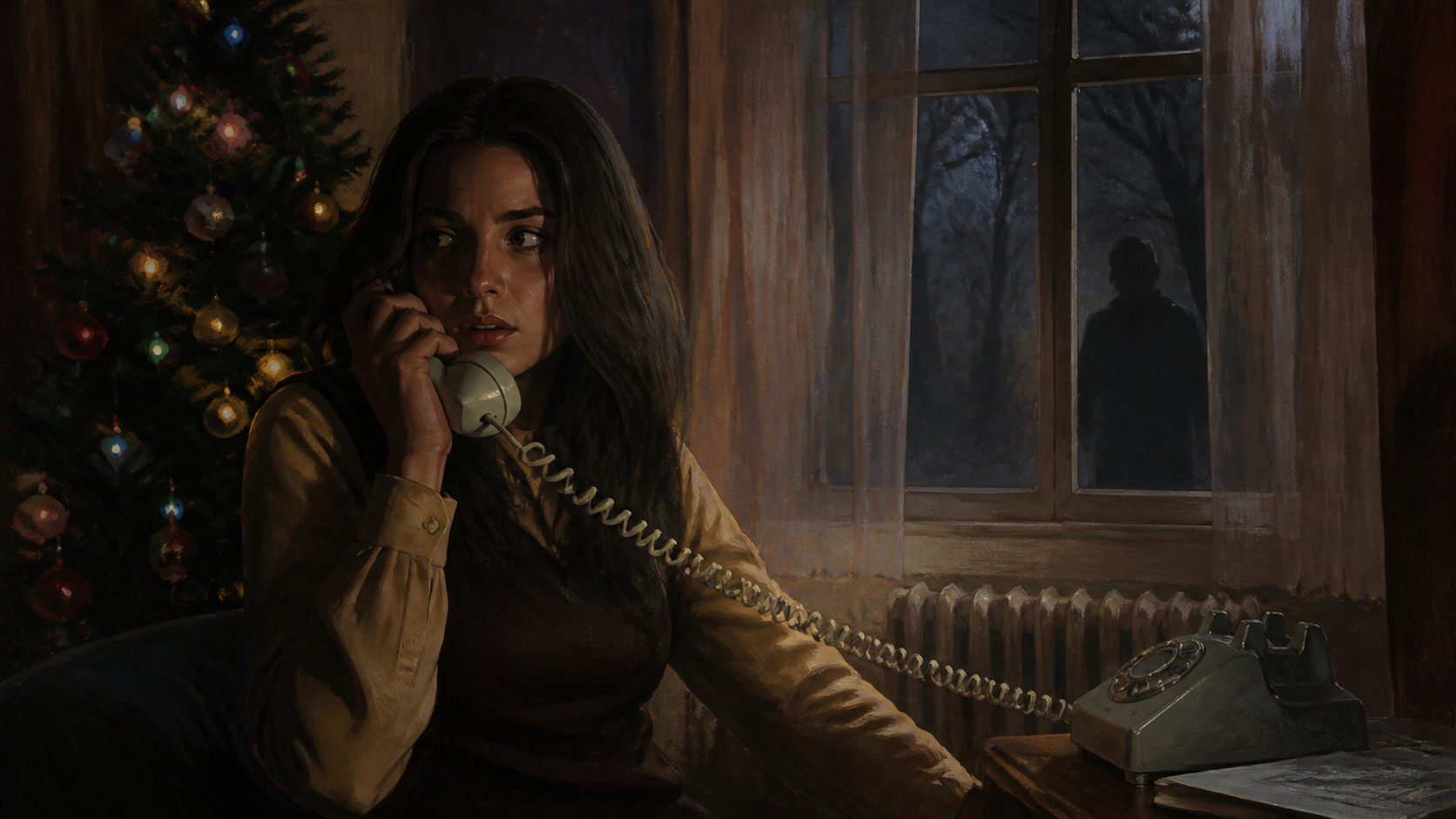
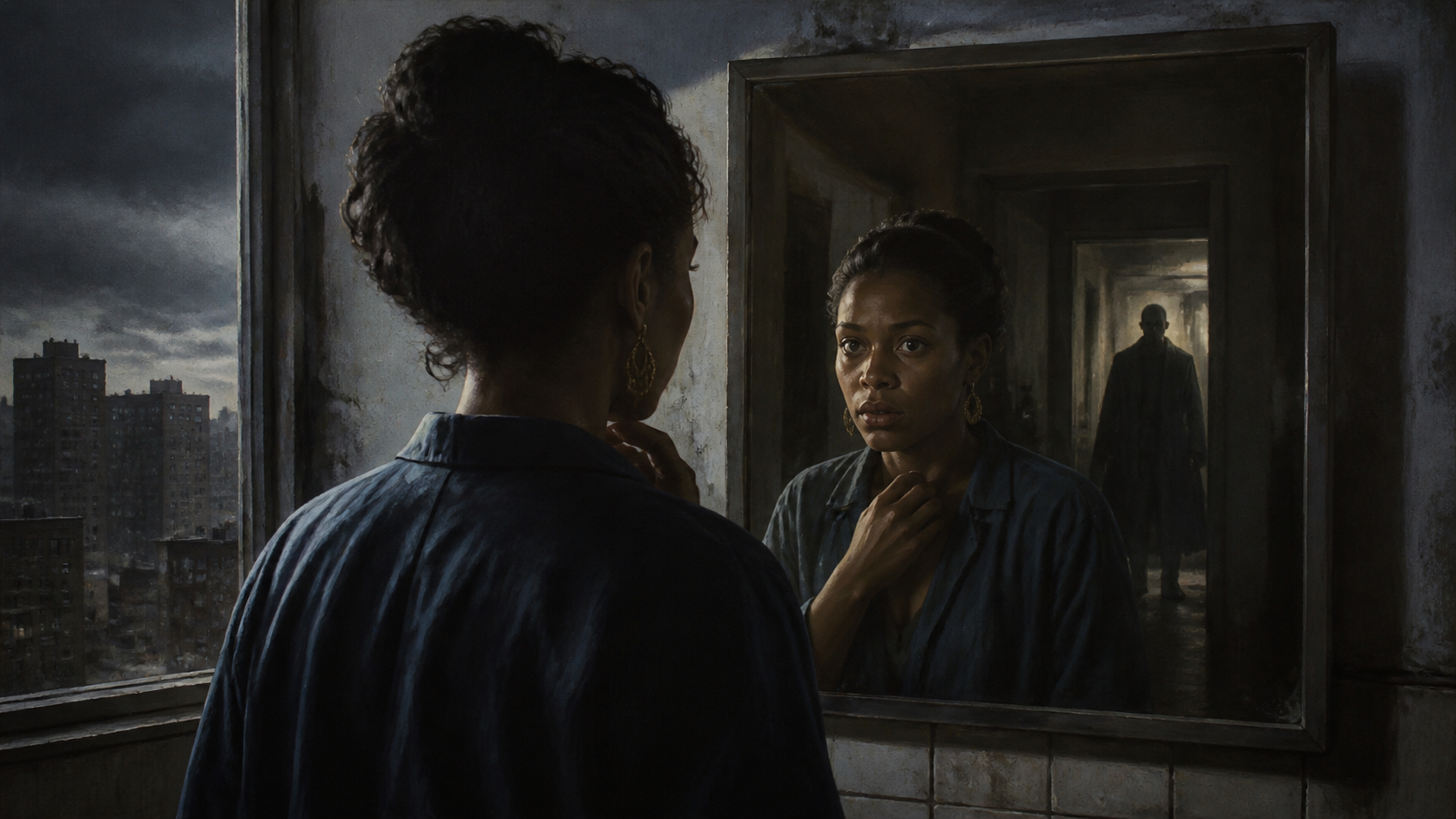
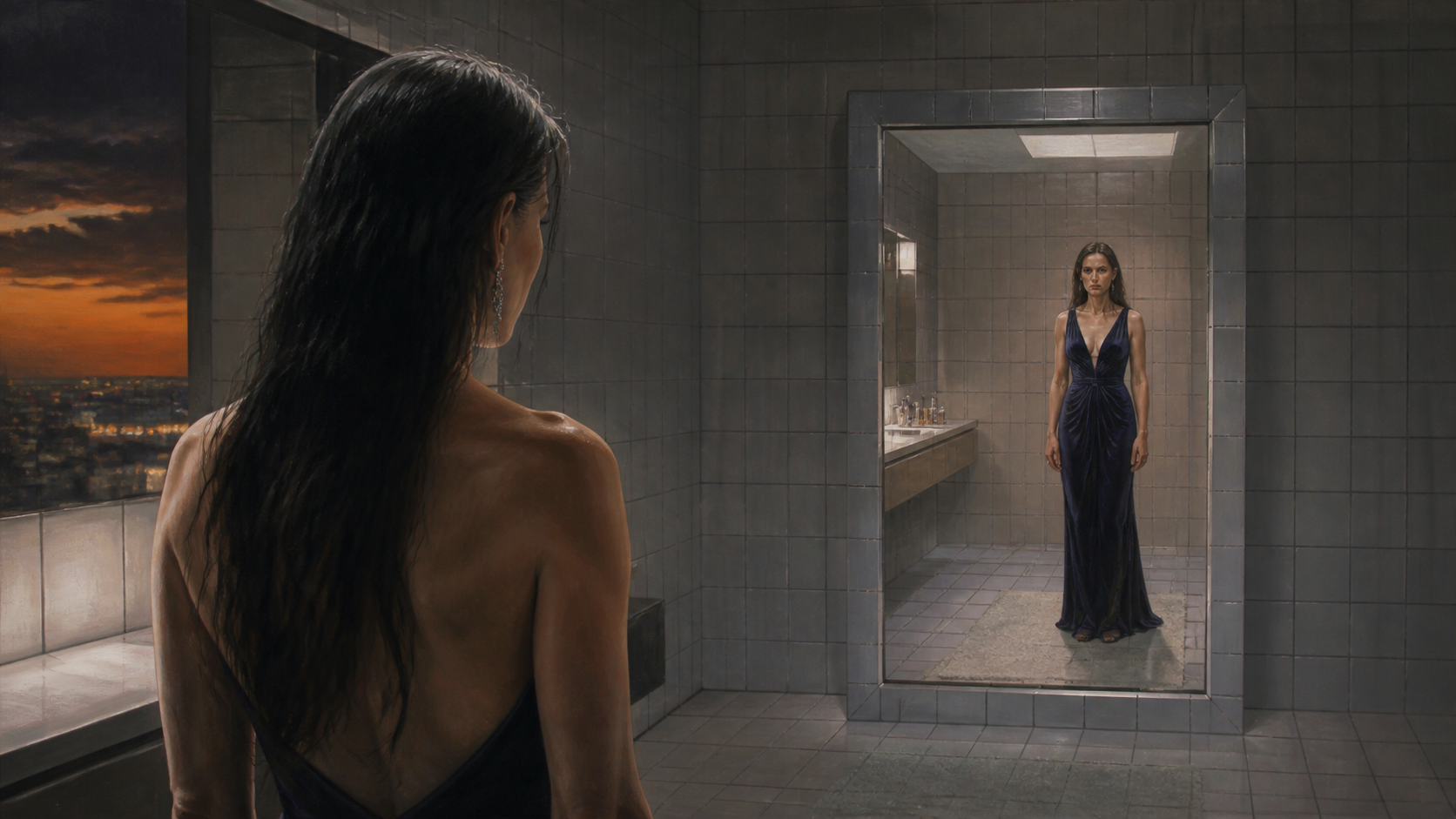
The Legend of Hell House is the 1973 British-American Gothic supernatural horror film directed by John Hough and adapted by Richard Matheson from his own 1971 novel Hell House. Set in a notorious mansion with a history of cruelty, death and failed investigations, it follows a small team of specialists who enter the house to test whether its manifestations can be explained or controlled. The film sits squarely in the haunted-house subgenre, but its distinctive appeal comes from the way it treats the supernatural like a hostile scientific problem rather than a purely atmospheric mystery. That gives it a colder, more methodical unease than many of its genre cousins.
The Film File
- Original release year: 1973
- Director: John Hough
- Writer: Richard Matheson, adapted from his novel Hell House
- Principal cast: Pamela Franklin as Florence Tanner; Roddy McDowall as Benjamin Franklin Fischer; Clive Revill as Dr Lionel Barrett; Gayle Hunnicutt as Ann Barrett
- Approximate runtime: 95 minutes
- Country of production: United Kingdom, United States
- Relevant horror subgenres: supernatural horror, haunted-house horror, Gothic horror, psychological horror
Behind the Screams
The Legend of Hell House came from Richard Matheson’s 1971 novel Hell House, and the screenplay was also his work, which helps explain why the film feels so tightly bound to the author’s own preoccupations. Matheson had already helped shape modern screen horror through earlier writing, and here he returned to a familiar set-up: a haunted house treated almost as an experimental site. The story’s central arrangement, in which sceptics and sensitives are sent into a house with a gruesome past, lets the film stage a conflict between rationalism, mediumship and raw fear without drifting into loose, episodic haunting.
The production relocated the story from the novel’s American setting to a British framework, a change that gives the film a more overtly Gothic texture and places its haunted mansion in a recognisably English horror tradition. The cast also matters to the film’s identity. Pamela Franklin brings a vulnerable intensity to Florence Tanner, while Roddy McDowall gives Benjamin Fischer a wary, damaged authority that makes the character feel like someone who has already been punished by this house once before. Clive Revill, as the rigorous Dr Lionel Barrett, anchors the film’s pseudo-scientific edge and supplies the counterweight to the more openly spiritual members of the group. Gayle Hunnicutt’s Ann Barrett is less flamboyant than the others, but she is important to the film’s domestic and psychological tension, particularly as the house begins to find its leverage over the team.
One of the film’s most memorable production elements is the electronic sound design and score by Delia Derbyshire and Brian Hodgson, both associated with the BBC Radiophonic Workshop. Their contribution is not decorative background music so much as part of the haunting itself. The film uses sound to give the house a presence that is difficult to pin down as either subjective or physical, which suits a story built around competing explanations. The result is not a noisy barrage of shocks but a carefully constructed sense that the house is always a little ahead of the people inside it.
Into the Dark
The film begins with a premise that is simple but potent: a group of investigators are brought to the Belasco House, a mansion long associated with violence, sexual depravity and unexplained deaths, in order to determine whether it can be classified, measured or cleansed. Dr Lionel Barrett approaches the problem as a hardheaded scientist and insists that the supernatural can be reduced to a form of energy. Florence Tanner, by contrast, is a committed spiritualist who believes the house is inhabited by a malignant force. Benjamin Fischer arrives with a reputation as the only survivor of a previous investigation, and that survival has left him cautious, guarded and deeply reluctant to revisit the place.
What unfolds is less a parade of effects than an escalating struggle over control. Each character is forced to confront the house in a different way, and the drama comes from the friction between belief systems as much as from the phenomena themselves. The mansion does not merely “haunt” the group in the usual sense. It probes their weaknesses, divides them and turns their own assumptions into liabilities. Barrett’s certainty becomes a danger, Florence’s openness leaves her exposed, and Fischer’s past experience is not the protection it first appears to be. The story is most effective when it makes the house feel like an adversary that understands people better than they understand themselves.
Spoilers ahead: the following paragraphs discuss major plot developments.
As the investigation deepens, the film reveals that the Belasco House is not simply occupied by a single ghostly presence but by a layered, predatory force tied to the sadistic legacy of its former owner, Emeric Belasco. The house’s evil is not abstract or merely symbolic. It has a history of corruption that has left a mark on the building itself, and the investigators’ attempts to master it only expose how fractured their own positions are. Barrett’s rational method becomes increasingly inadequate as the manifestations grow more personal and violent, while Florence’s spiritual confidence gives way to a confrontation that proves more dangerous than she can contain.
The turning point is not just that the house frightens the team, but that it actively exploits desire, guilt and vulnerability. Fischer’s prior association with the house becomes crucial because he understands, more than anyone else, that survival here does not mean victory. The film moves towards a bleak acknowledgement that Belasco’s influence cannot simply be analysed away or prayed out of existence. The ending leaves the house tainted by the human need to conquer it, and that is part of the film’s sting: its characters are not punished for curiosity alone, but for believing they can dominate something that has already spent years perfecting the terms of the encounter.
What Gets Under Your Skin
The film’s strongest asset is its atmosphere, but not in the generic sense of “creepy old house” mood. It creates a specific kind of pressure: clinical, enclosed and faintly diseased. Because the story frames the haunting in quasi-scientific terms, every disturbance feels like an intrusion into an experiment that is already going wrong. That gives the film a coldness that suits its material. The house is less a fairy-tale ruin than a hostile environment that refuses to be mapped by logic, and the script’s insistence on methods, measurements and competing theories makes the supernatural feel stubbornly uncooperative.
John Hough’s direction keeps the film moving with a clear grasp of escalation. He does not oversell the scares, and that restraint helps the material. The horror here is often in how sound, absence and human reaction accumulate before the film delivers a more explicit manifestation. When the movie does lean into visual shock, it tends to do so with a purpose: not to interrupt the narrative, but to confirm that the house’s threat is physical as well as psychological. That balance between suggestion and impact is one of the reasons the film has remained watchable for viewers who prefer haunted-house horror to build rather than merely lunge.
The performances are unusually important to the film’s effect. McDowall’s Fischer is the key to the whole picture because he makes experience look like a wound, not a credential. Franklin gives Florence a brittle sincerity that keeps her from becoming a simple believer type, and Revill’s Barrett is convincing because his confidence never feels entirely theatrical. Hunnicutt, meanwhile, helps ground the story in a domestic tension that keeps the film from becoming purely a contest of theories. The group dynamic matters, because the film’s scares are strongest when they are tied to disagreement, mistrust and the possibility that the house is reading the people inside it better than they are reading one another.
Its visual design is effective without being flashy. The house feels lived in by something malign, and the production makes good use of interiors that suggest both grandeur and decay. There is no need for excessive decoration when the premise already supplies the dread, so the film sensibly concentrates on spatial unease: corridors, rooms and thresholds that seem to promise that the next step will be a mistake. The electronic score and sound effects add a further layer of strangeness. Rather than pushing emotion in a conventional symphonic way, they make the house itself feel electrically unstable, which is a smart match for a story about rational control breaking down.
As horror, the film is more intelligent and oppressive than overtly brutal. That will suit some viewers better than others. It is not a gore picture, and it is not built around frantic shock editing or constant apparitions. Its pleasures lie in dread, unease and the gradual erosion of certainty. For viewers open to that approach, it offers a concentrated haunted-house experience with a rare sense of purpose. The film’s best idea is that the real terror is not whether ghosts exist, but what happens when people are convinced that naming a thing means they can master it.
The Film’s Afterlife
The Legend of Hell House did not become a blockbuster touchstone, but it has developed a solid reputation among haunted-house horror fans for its literary pedigree, strong cast and unusually disciplined tone. Contemporary critical response was mixed to favourable, with admiration for its cast and atmosphere often tempered by complaints that it was less scary than its premise promised. Modern reassessment has generally been kinder, especially from viewers who appreciate horror that is methodical rather than sensational. The film also sits interestingly alongside The Haunting and later smart-haunting titles, as one of the more serious attempts to treat a haunted house as both a supernatural site and a testing ground for human belief.
Horripilations Verdict
A smart, unnerving haunted-house film that favours psychological pressure, hostile atmosphere and strong performances over routine shocks. Its measured approach and electronic sound design give it a distinctive chill, even if the story is more controlled than expansive.
What works
- McDowall and Franklin give the investigation real emotional friction
- The house is rendered with sustained, intelligent unease
- Derbyshire and Hodgson's electronic textures make the haunting feel distinct
What holds it back
- The plotting can feel schematic in places
- Some viewers may want a more forceful or overtly frightening payoff