The Return of the Living Dead is the 1985 American horror-comedy that takes the zombie premise and gives it a nastier, more sardonic charge. The story begins with a chemical leak, a medical supply warehouse and a graveyard full of the wrong kind of dead, then pushes the situation into a fast, chaotic scramble for survival. Its central appeal lies in the collision of punk attitude, black humour and genuinely nasty undead imagery, which makes it both giddily irreverent and sharply anxious about what happens when the dead do not stay politely buried.
It is a zombie film, but one with a distinctly comic, splatter-heavy personality, closer to a manic midnight movie than a solemn apocalypse tale. For viewers who already know the broad shape of the genre, the lure here is the way it turns familiar ingredients into something meaner, more absurd and more kinetic without losing sight of the horror at its core.
The Film File
- Original release year: 1985
- Director: Dan O’Bannon
- Credited writers: Dan O’Bannon, Rudy Ricci, John Russo, Russell Streiner
- Principal cast: Clu Gulager as Burt; James Karen as Frank; Don Calfa as Ernie; Thom Mathews as Freddy; Miguel Nunez as Spider; Brian Peck as Scuz; John Philbin as Chuck; Linnea Quigley as Trash; Beverly Randolph as Tina; Jewel Shepard as Casey; Mark Venturini as Suicide
- Approximate runtime of the released version: 90 minutes
- Country of production: United States
- Relevant horror subgenres: zombie horror, horror-comedy, splatter horror, punk horror
Behind the Screams
The Return of the Living Dead came out of a long and tangled connection to the Night of the Living Dead rights and mythos, but it is not a direct continuation of George A. Romero’s cycle. The film was directed by Dan O’Bannon, making it his feature directorial debut, and the screenplay credit reflects a collaborative history that includes O’Bannon’s script as well as story contributions from John Russo, Russell Streiner and Rudy Ricci. The project’s origins stretch back years, with AFI’s production record noting earlier sequel development around 1975 and later revisions in the 1980s before the film finally reached release in August 1985.
The movie’s production identity is inseparable from that complicated lineage. Russo’s 1978 novel The Return of the Living Dead was part of the source mix, but the finished film does not simply adapt it in a straight line. AFI records also make clear that the production moved through multiple financing and rights arrangements before landing with Hemdale Film Corporation and Fox Films, Ltd., and being released by Orion Pictures. That history helps explain why the film feels both attached to and mischievously detached from earlier zombie lore: it borrows the title’s mythology while building its own rules, tone and visual language.
What matters most creatively is the way O’Bannon and his collaborators steer the material away from Romero’s deadpan social allegory and into something more frantic and punk-inflected. The film’s design, headed by William Stout, leans into a world of industrial detritus, military secrecy and comic grotesquerie. It also gives the zombies a different set of traits from the Romero model, most notably their hunger for brains and their ability to speak in broken, distressing fragments. That choice is not just a gimmick; it turns the undead into creatures who can taunt the living while remaining horribly inhuman.
Production anecdotes around the film are plentiful, but the useful facts are the ones the record supports: it was a Los Angeles production, it was made for a relatively modest budget by studio-horror standards, and it assembled a cast of character actors and young performers well suited to O’Bannon’s hard-edged comic tone. The result is a film that feels deliberately engineered around contrast, with bureaucratic deadpan, teenage rebellion and body horror all colliding in the same frame.
Into the Dark
The film opens in Louisville, where new warehouse employee Freddy is shown a pair of military containers holding corpses and the toxic substance Trioxin. From there, an accident releases the gas, reanimating the dead and setting off a chain reaction that spreads from the warehouse to the nearby cemetery. Burt, Frank and Ernie, along with a group of local punks and Freddy’s girlfriend Tina, are quickly pulled into a nightmare that becomes harder to contain with each passing minute. The setup is simple, but the film keeps escalating by mixing panic, ignorance and bad decisions with the practical problem of what to do when the dead will not stay down.
The developing conflict is one of containment versus contagion. Characters try to improvise escape, rescue one another and understand what is happening, while the infection-like spread of the dead keeps undercutting any sense of control. The movie’s forward momentum depends less on intricate plotting than on the pressure created when different social worlds, the warehouse men, the punks, the authorities and the military, are forced into the same crisis. The survivors’ attempts to reason with or outrun the situation only sharpen the film’s nastier jokes about authority, panic and denial.
What makes the premise work is that it is constantly recharged by escalation. The cemetery is not just a backdrop, it becomes a place where the dead are methodically unchained from their graves and where the film’s most memorable horrors emerge from the contrast between childish irreverence and genuine dread. The plot keeps tightening around the question of how far the outbreak has spread, but it never loses sight of the immediate physical danger. By the time the situation reaches its most desperate phase, the film has earned its chaos through a steady accumulation of bad information, failed containment and undead momentum.
What Gets Under Your Skin
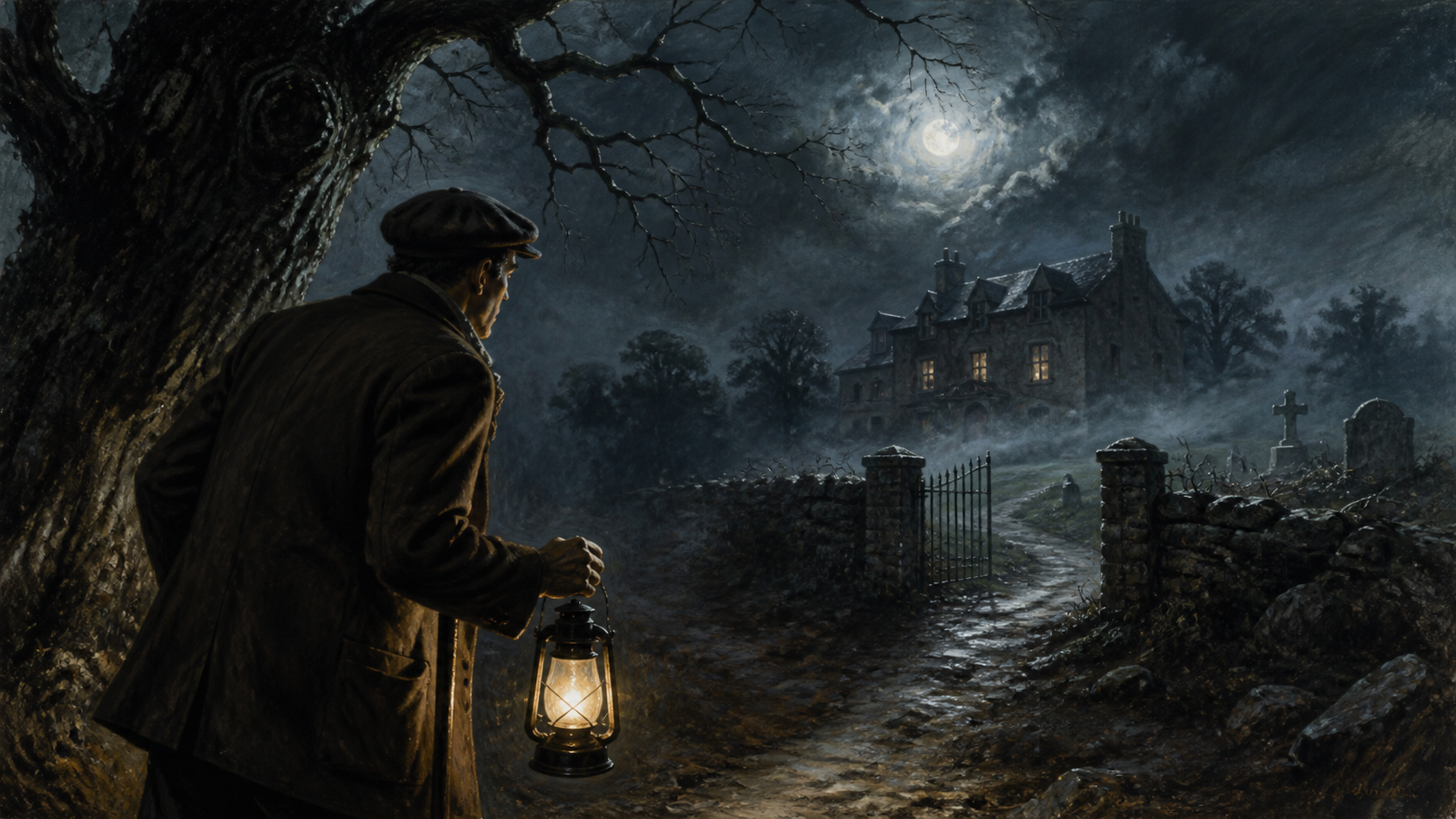
The film’s atmosphere is one of the main reasons it still lands. Rather than treating the zombie apocalypse as an abstract end-of-the-world scenario, it roots the horror in grease-stained workplaces, scrapyard surfaces, wet graves and the ugly machinery of emergency response. That gives the film a tactile, down-at-heel texture that suits its sense of humour. It feels less like a mythic plague than a contaminated disaster in a place nobody was paying enough attention to. The comedy does not soften that feeling so much as sharpen it, because the jokes come out of characters’ failure to grasp the scale of the problem until it is too late.
Storytelling-wise, the film is admirably direct. It understands that horror-comedy works best when the danger is concrete, and it keeps the narrative moving by giving each cluster of characters a practical, immediate goal. There is a constant sense of people reacting rather than explaining, which suits the film’s stripped-down, crisis-driven structure. O’Bannon avoids overcomplicating the rules. Instead, he lets the audience absorb the danger through repetition, escalation and absurd escalation of consequence, which is exactly what a zombie movie needs when it wants both laughs and unease.
The performances are a major asset. James Karen and Clu Gulager, in particular, give the film a grounded, almost deadpan authority that keeps the material from tipping into sketch comedy. Their exasperation makes the absurdity funnier and the horror more believable. Thom Mathews brings useful directness as Freddy, while Don Calfa gives Ernie a memorably odd, almost beatific calm that stands in comic tension with the carnage around him. The younger cast members, especially Linnea Quigley, Beverly Randolph and Miguel Nunez, help the film’s punk energy feel lived-in rather than merely decorative. These are not performances that ask to be admired for subtlety; they are calibrated to the film’s rude, volatile mood.
The visual design is where the film really declares its independence. William Stout’s production design, together with the effects work, gives the undead a rotting, chemically contaminated look that feels distinct from the shuffling, relatively static zombies many viewers associate with the genre. The film does not shy away from gore, but the gore is not just there for shock value. It supports the idea that the dead are melting, leaking and mutating in ways that make the world itself seem polluted. That image of a contaminated environment is one of the movie’s most effective horror ideas, and it is reinforced by the way the cemetery and warehouse spaces are made to feel cramped, grubby and vulnerable.
The sound and music also help define the film’s personality. The soundtrack leans into punk and new wave energy, which does more than signal youth culture. It gives the movie a speed and aggression that match its undead. When the film is at its best, the music, the shouted panic and the grotesque vocalisations of the zombies all combine into a tone that is abrasive but controlled. It is a comic horror film, certainly, but it still wants the audience to feel the threat physically, not just laugh at it from a safe distance.
As horror, the film is effective because it refuses to separate the funny from the filthy. The jokes come with corpse-stink and viscera attached. Its biggest advantage over many genre hybrids is that it understands comic tone as a method of intensifying discomfort, not of relieving it. Even when the film is having a good time, the dead remain ugly, persistent and hard to stop. That balance is the reason the movie can be playful without becoming toothless.
The Film’s Afterlife
Contemporary reviews were mixed but often alert to the film’s wit and insolence. Roger Ebert’s 1985 review responded to its energy while also finding limits in its ambitions, and other major critics of the period similarly treated it as a rowdy, knowing variation on zombie tropes rather than a solemn horror statement. In time, though, the film built a strong reputation as one of the defining horror-comedies of the 1980s, helped by its quotable dialogue, punk attitude and the sheer memorability of its undead imagery. It also generated a franchise, although later entries did not match the originality or confidence of the first film.
That later reputation is not just nostalgia talking. The movie’s blend of gallows humour, practical effects and anti-authoritarian snarl helped set a template for zombie comedy that remains easy to recognise now. It is not merely a cult item because it is quirky; it earned that status by making its own rules feel vivid, funny and unnerving at the same time.
Horripilations Verdict
A sharp, filthy and unusually lively zombie comedy that knows exactly how to turn panic into entertainment. Its mix of strong performances, inventive undead imagery and punk-fuelled momentum makes it a standout of 1980s horror.
What works
- Distinctive zombie design and effects
- Strong comic timing from the core cast
- Confident balance of humour and genuine horror
What holds it back
- The plot is deliberately simple and can feel episodic
- Some characterisation is broad by design rather than deep