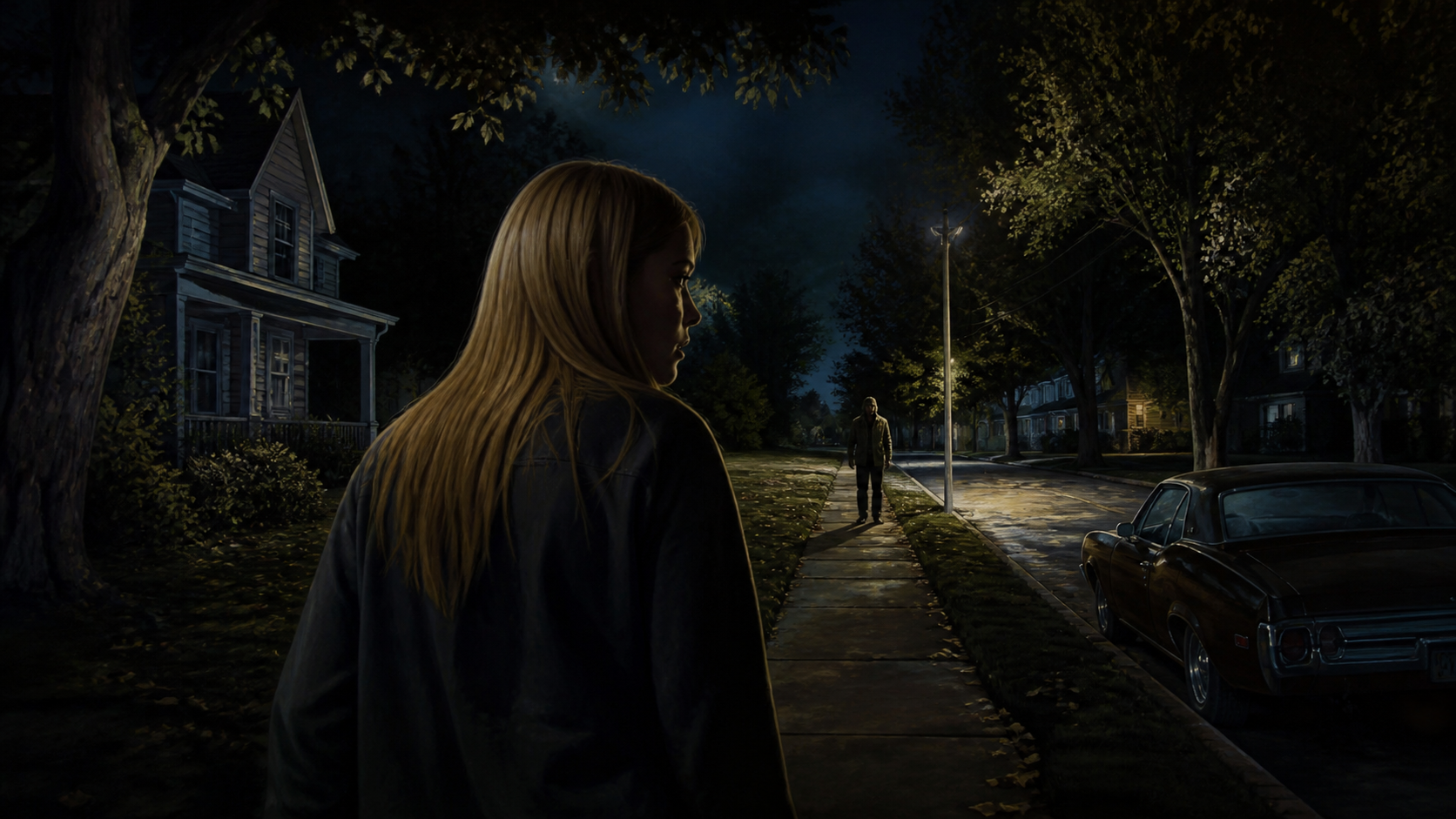
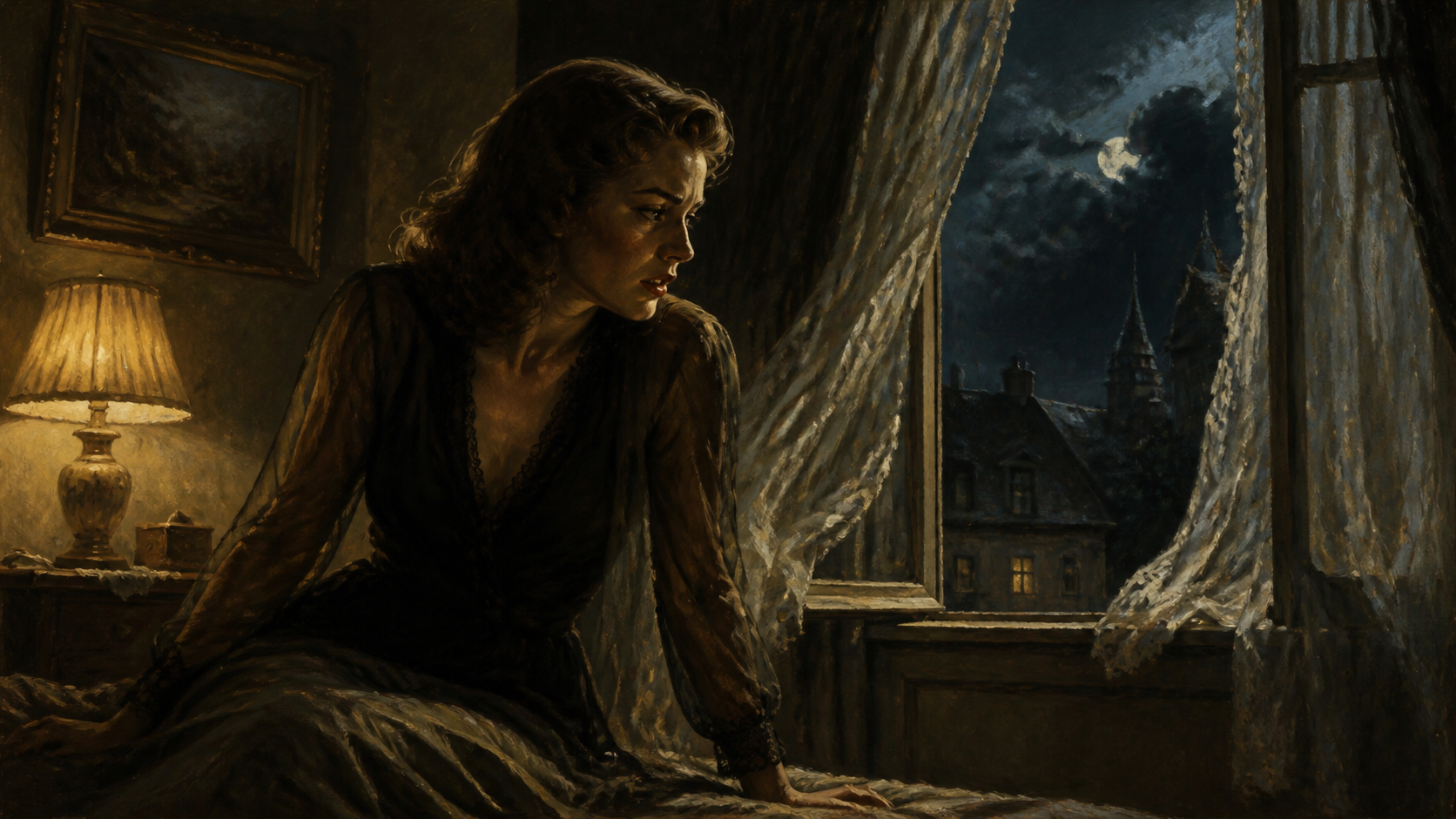
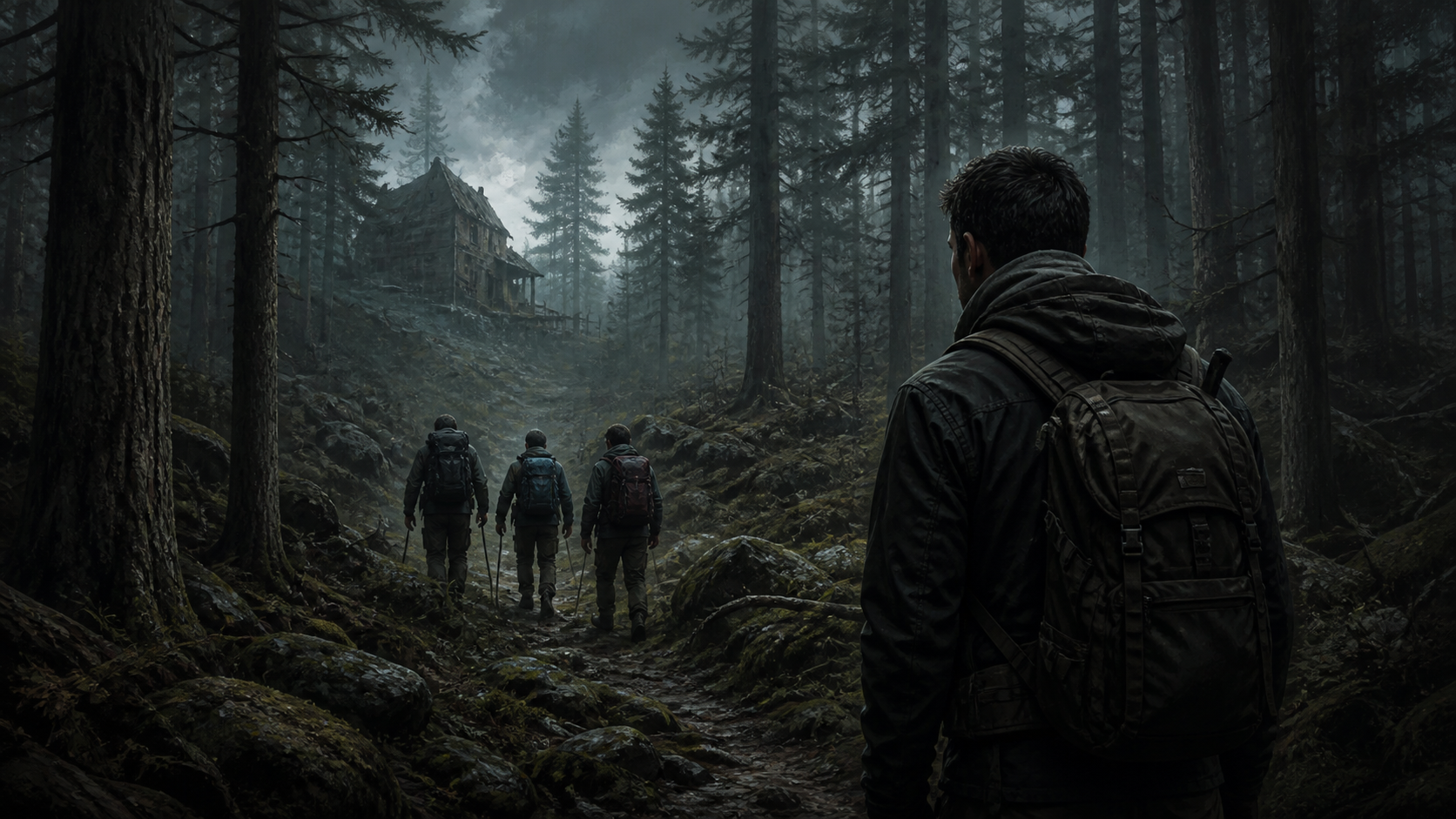
The Wailing is a 2016 South Korean horror mystery from Na Hong-jin, built around a rural police investigation that curdles into folk dread, spiritual panic and increasingly brutal uncertainty. Set in a remote village after a stranger’s arrival coincides with a run of savage deaths and a baffling illness spreading through one family, it is part crime thriller, part possession story and part paranoid supernatural horror. Its distinctive pull lies in the way it keeps shifting what kind of film it is while never letting the central unease go.
The Film File
- Original release year: 2016
- Director: Na Hong-jin
- Writer: Na Hong-jin
- Principal cast: Kwak Do-won as Jong-goo; Hwang Jung-min as Il-gwang; Jun Kunimura as the Japanese stranger; Chun Woo-hee as Moo-myeong; Kim Hwan-hee as Hyo-jin; Heo Jin as Yang Yi-sam; Jang So-yeon as Jong-goo’s wife
- Approximate runtime: 156 minutes
- Country of production: South Korea, United States
- Relevant horror subgenres: folk horror, supernatural horror, mystery horror, possession horror, psychological horror
Behind the Screams
The Wailing was Na Hong-jin’s third feature after The Chaser and The Yellow Sea, and it marked another large-scale, meticulously controlled genre piece from a filmmaker already known for turning procedural tension into something far uglier and more unstable. The film was presented at the 69th Cannes Film Festival out of competition and later travelled through the festival circuit as both a thriller and a horror title, which reflects how deliberately it sits between categories rather than settling into one. Its Korean Film Council listing gives it a South Korea and United States co-production credit, and the film’s official materials and festival documentation place it firmly in 2016.
The production most clearly advertises its ambition through length and scope. At 156 minutes, it is not a compact shocker but a slow accumulation of suspicion, folklore and exhaustion. That scale matters because Na does not treat the village as mere backdrop. The community’s isolation, the local police’s confusion, the pressure of family panic and the intrusion of competing explanations all become part of the film’s machinery. The result is a horror story that behaves like an investigation for a long time before revealing how badly the investigation itself has been poisoned by fear. The film also drew notable recognition on the festival and awards circuit, including prizes for direction, cinematography, editing, music and sound effects in various venues and national awards, which fits a film that depends as much on formal control as on plot mechanics.
Source material is not part of the film’s identity in the way it is for some horror adaptations. It is an original screenplay by Na Hong-jin, so the important creative fact is not reinterpretation but escalation. He takes familiar elements of possession drama, rural superstition and investigative thriller work, then stretches them until they feel less like genre ingredients than competing belief systems. That is why the film’s structure feels so purposeful: the uncertainty is not a garnish, it is the subject.
Into the Dark
The film begins in a remote Korean village where local policeman Jong-goo is already overworked, not especially confident and not remotely prepared for what is coming. When a strange Japanese man settles nearby, the village starts to whisper that he is connected to a series of horrifying murders and to a spreading sickness that seems to be consuming one family from within. Jong-goo’s own daughter, Hyo-jin, becomes part of the crisis, which turns a community fear into something intimate and much harder to dismiss. From there, the story moves through police suspicion, folk remedies, religious intervention and mounting bodily horror, all while Jong-goo tries to decide which explanation is madness, which is fraud and which might actually be true.
What makes the premise so effective is that the film never lets any one explanation dominate for long. The stranger seems sinister, but so do some of the people trying to oppose him. The rituals appear desperate, yet the symptoms are too severe to laugh off. Jong-goo becomes trapped between faith and evidence, and the film keeps tightening that trap by linking the supernatural to family vulnerability. The horror is not just that something evil may be present, but that everyone around it is vulnerable to misreading it, delaying action or helping it along.
Spoilers ahead: the following paragraphs discuss major plot developments.
As the film advances, it becomes clear that the village has been drawn into a deliberate spiritual assault rather than a random outbreak of violence. Jong-goo is manipulated by conflicting claims about who is responsible and what must be done, while the apparent healer Il-gwang and the supernatural figure Moo-myeong each pull the situation in opposing directions. The ending matters because it confirms that Jong-goo’s delay is disastrous: the danger is not merely abstract or symbolic, but has already reached his home in a concrete and irreversible way. The film’s final movement leaves the audience with the horrifying recognition that certainty arrived too late, and that the wrong choice of ally can be as fatal as the curse itself.
What Gets Under Your Skin
The film’s greatest strength is the way it fuses procedural realism with supernatural panic. Jong-goo’s initial approach is practical and clumsy, rooted in police routine and domestic frustration, which makes the later escalation more frightening because it is not introduced by a mystical hero but by a man trying and failing to sort out a local crime. The horror grows out of ordinary human weakness: gossip, embarrassment, fear of looking foolish and the wish to protect a child without understanding the threat. That ordinary grounding gives the supernatural material more bite.
Na Hong-jin also gives the film a memorably unstable tone. It can be grimly funny, then oppressive, then grotesque, sometimes within the same sequence, but the tonal shifts do not feel careless. Instead, they reflect a world in which the village has no reliable interpretive system left. A joke can land beside a slaughter scene, and a ritual can feel both absurd and terrifying, because the film understands that panic rarely behaves in clean genre lines. That tonal variety is one reason the long running time rarely drags. It keeps the viewer off balance without sacrificing narrative drive.
Visually and aurally, the film leans into sensory overload without losing clarity. Critics singled out its atmosphere, colour, sound design and editing, and those qualities are not decorative. The soundscape in particular helps the film feel occupied by forces that are hard to see but impossible to ignore. The village spaces, woods and homes are filmed as places where bad things can hide in plain sight, while the escalating bodily suffering gives the supernatural conflict a concrete physical cost. This is horror that wants unease to feel environmental, not just psychological.
The performances are central to the film’s success. Kwak Do-won makes Jong-goo believable as a man whose authority is mostly local and improvised, not commanding. Hwang Jung-min brings a volatile confidence to Il-gwang, and Jun Kunimura’s stranger is important because he is never reduced to a simple monster in the film’s framing. Kim Hwan-hee gives the family material real pain, which prevents the story from becoming a puzzle box detached from human cost. The film works because the cast grounds its extreme turns in recognisable distress.
If there is a limitation, it is that the film’s refusal to explain itself in tidy terms will not satisfy everyone. That ambiguity is part of its design, and for many viewers it is one of the pleasures. But the final stretch does ask you to accept a degree of uncertainty about motives and metaphysical rules that some horror fans will find exhilarating and others frustrating. Even so, the film earns that uncertainty by making the emotional stakes so immediate.
The Film’s Afterlife
The Wailing was very well received on release and has remained one of the most discussed South Korean horror films of the 2010s. As of the latest checked figures, Rotten Tomatoes lists a 99% Tomatometer from 87 reviews and a 81% Popcornmeter, while Metacritic gives it a score of 81 from 19 critic reviews, indicating universal acclaim. Its festival run and awards recognition helped cement its reputation as a major genre crossover, and its long, argument-sparking ending has kept it in circulation among viewers who enjoy horror that is as much about interpretation as impact.
Horripilations Verdict
A dense, unsettling rural horror mystery that keeps tightening its grip through performance, atmosphere and narrative unpredictability. It is not always easy, but its emotional stakes and escalating dread make it one of the strongest modern supernatural horror films.
What works
- Unstable blend of crime story and possession horror
- Terrific performances anchored by Kwak Do-won and the ensemble
- Memorable sound and visual design that sustain dread
What holds it back
- Ambiguity may frustrate viewers who want firmer answers
- Its length and tonal swings demand patience