La Llorona
La Llorona: The Weeping Woman of Mexican Folklore
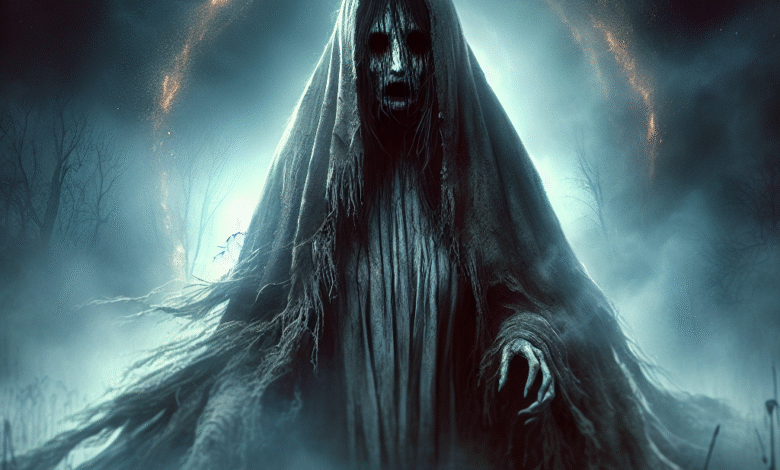
In the shadowy corners of Mexican folklore, a heart-wrenching and eerie figure lurks—La Llorona, the Weeping Woman. This spectral entity, draped in white, has haunted the dreams of children and adults alike for generations, reminding us of the power of grief and betrayal. But who is La Llorona, and how did she become the chilling figure we fear today?
The Origin of La Llorona
La Llorona’s legend is rich with cultural implications and historical roots. The most common tale begins with a beautiful woman named Maria, who lived in a village near a river. She captivated the heart of a wealthy man and, after marrying him, had two children. Initially enchanted by her beauty, her husband eventually grew distant and found solace in the embrace of another woman. In a fit of rage and despair, Maria drowned her children in the river, believing that their deaths would compel her husband to return. Realizing the depth of her actions and the irrevocable loss she’d caused, she plunged into the water after them, drowning alongside her children.
When her spirit rose from the depths, however, it was not one of peace. Maria became La Llorona, forever bound to the river, weeping for her lost children and seeking vengeance against those who remind her of her betrayal. Each night, her mournful cries echo through the canyons and fields, a spectral wail that chills the bone.
Cultural and Historical Background
La Llorona serves as a critical cultural touchstone for the Latino community. Many view her as a warning against the dangers of infidelity and the consequences of a mother’s severed bond with her children. The stories of La Llorona are often told to children as cautionary tales, urging them to stay close and avoid dark waters.
The figure of La Llorona is also deeply intertwined with themes of societal expectations and the role of women throughout history. For centuries, women have been subject to tumultuous relationships and societal pressures, and La Llorona embodies these struggles—her sorrow and rage a reflection of the silent suffering many women endure.
Sightings and Legends
The lore of La Llorona has transcended individual stories to become a collective memory. Tales of her sightings vary from village to village: she might be seen wandering along riverbanks, her long dress trailing in the water, or crying mournfully in the night. Elders claim to have heard her weeping, while others have caught fleeting glimpses of her ghostly form gliding through the darkness.
One popular account places her near the banks of the Rio Grande, where she allegedly lures children to her watery grave, beckoning them with her sorrowful lament. According to some legends, she is said to mistake living children for her own, dragging them into the underworld unless they can escape her grasp by reciting traditional prayers or promising to stay away from water at night.
Appearances in Popular Culture
La Llorona’s tale has transcended oral tradition to permeate literature, film, and art, embodying the timeless nature of fear and grief. One of her most notable appearances is in the 2019 horror film "The Curse of La Llorona," which assumes a more modern interpretation of this haunting figure. The film takes creative liberties, intertwining her legend with elements of supernatural horror, leading her to become a vital character in the "Conjuring" universe.
In literature, La Llorona has inspired numerous short stories, poems, and essays exploring themes of sorrow and loss. Writers have long been captivated by her plight, offering fresh interpretations of her story that resonate with modern audiences. Notably, acclaimed author Sandra Cisneros incorporated La Llorona into her works, using the figure to delve into issues of identity and female strength.
Video games, too, have embraced her myth. In the chilling depths of "Fatal Frame," a popular survival horror franchise, players encounter a spectral woman reminiscent of La Llorona, reinforcing the thematic link between maternal loss and terror.
A Creepy Fun Fact: The Haunted Waterways
La Llorona’s legacy lives on, with reports of her presence not just in the minds of storytellers but also in the waters themselves. Some believe that the rivers where she drowned her children are eternally cursed. Locals near these haunted waterways often report that odd phenomena occur—excessive ripples when the night is still, children disappearing for hours only to return with no memory of where they went, and a pervasive feeling of being watched. The legend isn’t just a story; it’s a chilling warning etched into the landscape, reminding us that the past is never truly buried.
Conclusion
La Llorona stands as a compelling reminder of love, loss, and the darkness that can follow betrayal. Whether you hear her weeping in the wind or feel a shiver down your spine at twilight, the Weeping Woman’s tale continues to haunt our imaginations, woven into the very fabric of cultural consciousness. So the next time you’re close to a river or a quiet night seems too silent, remember Maria’s heartache and perhaps heed the tales of her restless spirit. You never know; La Llorona may be closer than you think.