The Babadook
The Enigmatic Babadook: A Deep Dive into Fear
In the realm of the supernatural, few entities strike as visceral a chord as the Babadook. Originating from the Australian horror landscape, this entity is not merely a monster but a chilling embodiment of grief, depression, and the haunting shadows of our own psyche. Crafted by writer-director Jennifer Kent in her 2014 film "The Babadook," the figure has transcended the confines of cinema, carving out a niche in both folklore and popular culture.
Origins and Cultural Background
The term "Babadook" is said to be derived from the children’s book within the film: "Mister Babadook." The book itself is a sinister tale, filled with drawings that evoke disquiet and dread. The Babadook is not merely a figure of fear—it’s an allegory, representing the turmoil of loss and unresolved trauma that can linger long after a loved one’s death. This thematic depth has drawn parallels to various mythological constructs focusing on grief and the specter of the past.
While the Babadook is a modern invention, its psychological underpinnings echo throughout history. Folklore has long featured tales of entities that emerge from pain and hardship, manifesting as monsters that feed off despair. The Babadook gracefully inherits this legacy, acting as a specter born from the sorrow of Amelia, the film’s protagonist, and her toy figurine of a child, Samuel, grappling with the loss of his father. This prolific duality between the monster and Amelia’s emotional struggles resonates deeply, creating a chilling atmosphere that lingers long after viewing.
Legends and Sightings
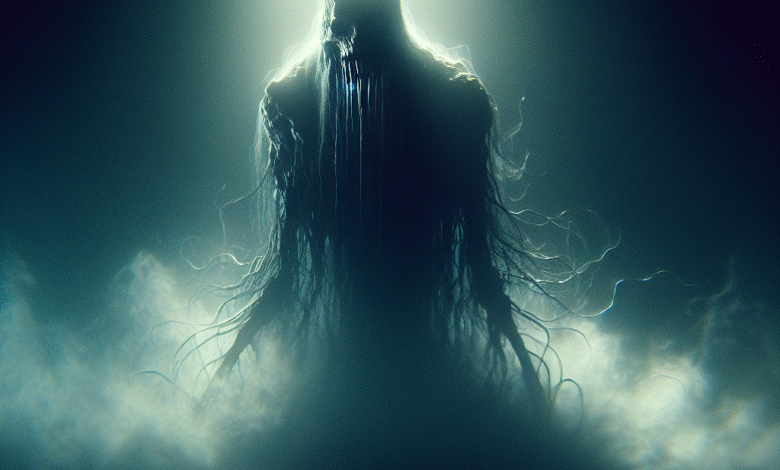
In its cinematic form, the Babadook famously materializes as a dark, grinning figure in an oversized top hat, with elongated limbs and an unsettling, guttural voice. The legend doesn’t end with the film, as devoted fans have immersed themselves in its lore, inspiring various interpretations and sightings.
Local urban legends have emerged, suggesting that invoking the Babadook’s name can lead to strange occurrences—figures lurking in shadows, unexplainable noises rattling the silence of night, and odd sensations of being watched. These anecdotes have spiraled into a modern-day form of ghost story, with enthusiasts sharing experiences of encountering a presence resembling the Babadook in dimly lit stairwells or flickering streetlights.
The Babadook’s eerie visage has inspired various art installations that capture its harrowing essence, showcasing how deeply this monster has permeated the collective psyche. Its presence is not bound to the screen but echoes in the corners of imagination and creativity, forever blurring the line between reality and the supernatural.
Appearances in Popular Culture
Following the film’s release, the Babadook has seamlessly infiltrated the cultural zeitgeist, manifesting in various media and artistic expressions. Its chilling legacy extends beyond the movie; the creature has made cameo appearances in comic books, video games, and even merchandise such as toys and apparel.
In 2016, the Babadook unexpectedly emerged as a symbol of LGBTQ+ pride, after a humorous mix-up led the creature to be celebrated in the LGBTQ+ community. Internet memes began to flourish, portraying the Babadook with rainbows and slogans of pride, revealing how the character could transform into a symbol of acceptance and identity.
Moreover, the Babadook’s haunting demeanor found its way into the realm of video games. Indie titles inspired by its themes of despair and confrontation with inner demons have captivated players, allowing them to explore its dark wonders further. The Babadook’s cultural icon status highlights not just its terrifying presence but also its ability to transcend traditional horror tropes.
A Creepy Fun Fact
One of the most spine-tingling aspects of the Babadook is related to the book itself—a supposedly cursed tome. Those who have dared to create their own "Mister Babadook" books have reported odd occurrences, like their own shadows morphing into the creature’s shape or strange stirring sensations in their homes. It appears that the act of conjuring the Babadook through literature can seemingly awaken its essence, causing both creators and readers to confront their own fears.
In urban legend, it’s told that leaving the book out under the full moon might invite the Babadook into your home, bringing with it an unsettling energy that might make you feel as though something is lurking just behind you. Even the mere exploration of the Babadook’s themes can evoke a profound sense of unease, reminding us of our darkest feelings and experiences.
Conclusion
The Babadook serves as a chilling symbol of personal demons and the ghosts of our past. It is an entity that blurs the line between monster and metaphor, a figure that speaks to our inner turmoil as much as it terrifies. As it continues to tread the fine line between wisdom and horror, the Babadook reminds us that sometimes, the scariest monsters are the ones we carry within. So, if you dare to confront your fears by delving into its dark narrative, remember: the Babadook is always watching, lurking patiently in the shadows of your psyche.