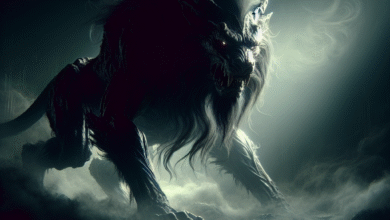
Aswang

The Enigmatic Aswang: A Deep Dive into the Philippine Supernatural
In the labyrinth of Philippine folklore, shadows whisper tales of an elusive creature known as the Aswang. This ghastly entity has haunted the minds and hearts of Filipinos for generations, weaving itself into the very fabric of their culture. With origins steeped in myth and history, the Aswang is a nightmare incarnate, embodying humanity’s deepest fears about death, the unseen, and vulnerability.
Origins and Cultural Background
The legend of the Aswang can be traced back to the pre-colonial period, when animistic beliefs dominated the archipelago’s spiritual landscape. Early Filipinos revered nature and the ancestors while simultaneously being wary of malevolent spirits. Stories of the Aswang began to take root, often depicted as a tainted soul who transformed into various forms—such as a beautiful woman by day and a ghoul by night.
In its myriad forms, the Aswang can be seen as a symbol of duality. While it often appears as a beguiling woman, its true form can be that of a vampiric creature, a human flesh-eater, or even a hulking beast. This dual identity reflects the conflicting nature of humanity itself, where beauty can mask horror, and relationships can hide treachery.
Moreover, the lore of the Aswang varies from region to region. In some areas, Aswangs are believed to be skilled healers who, when provoked, unleash their darker side. They are also said to possess a keen sense of smell, able to detect the scent of expectant mothers, luring their victims to devour the unborn before they ever see the light of day.
Sightings and Legends
Throughout Philippine history, tales of Aswang sightings have circulated in hushed tones in barangays (neighborhoods) and near campfires. The creature is said to haunt the moonlit streets, its dread-inducing howl echoing like the cries of a lost soul. Victims often recount experiences of becoming inexplicably weak or ill, leading them to believe they had been cursed by an Aswang.
One poignant story from the 19th century describes a small village in Malolos where a series of mysterious deaths plagued its inhabitants. It was said that at twilight, villagers would gather to chant incantations, attempting to ward off the Aswang believed responsible for the disappearances. Rumors spread like wildfire, fueling paranoia as neighbors turned against one another, suspecting that their own friends and family might be harboring the sinister entity within them.
A particularly eerie legend speaks of the Aswang who lived near an ancient balete tree, known as a portal to the spirit world. It was said that if one dared to approach this tree at night, they might catch a glimpse of the Aswang, its eyes glowing with a ferocity that has paralyzed many with fear.
Popular Culture Appearances
The Aswang has transcended folklore and found its way into popular culture, from films to television series to video games. One of the earliest cinematic representations appeared in the 1984 film “Aswang,” which explored the creature in a uniquely Filipino horror context. The Aswang has been featured in numerous horror movies, including “Zebraman 2” and “The Aswang Chronicles,” where filmmakers sought to portray both the horror and the mystique surrounding this creature.
Television series like “Kuliti,” based on Filipino urban legends, have explored the Aswang in condensed stories that offer thrilling glimpses into its terrifying world.
In the realm of gaming, the Aswang appears in various role-playing and video games, serving as a formidable enemy for players to combat. Titles such as “Philippine Mythology: The Aswang” provide a unique narrative experience, immersing players in encounters with this ancient being while educating them about Filipino folklore.
Creepy Fun Fact
To add a chilling twist, there’s a widespread urban legend in the Philippines surrounding the Aswang’s penchant for blending within society. Some tales warn that an Aswang can be someone you know—a trusted neighbor or a friend who reveals their true colors only under the cover of darkness. The rumor goes that if you suspect someone in your community might be harboring this dark secret, you can perform a simple test: sneak a peek at their shadow, if it appears distorted or elongated, it may just be a sign that you’re living next door to an Aswang.
Indeed, the Aswang is not merely a creature of dark folklore; it embodies fears that continue to resonate with people today. As long as tales of this ghastly being linger, the Aswang remains a potent reminder that the line between humanity and monstrosity is often hauntingly thin.