
Skinwalker
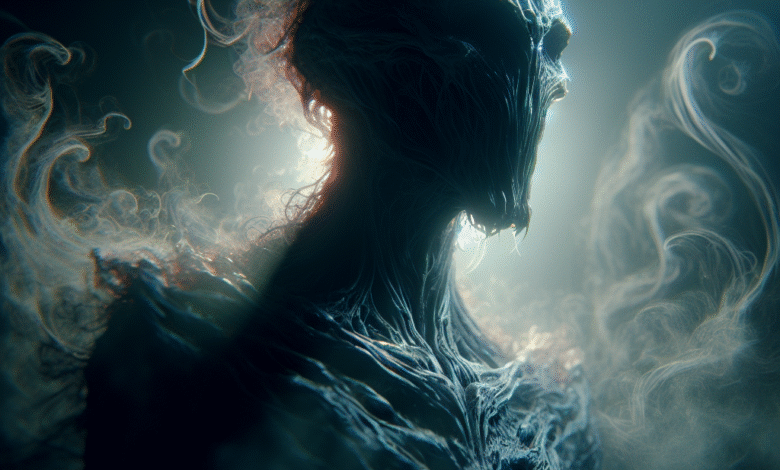
Skinwalkers: The Haunting Legends of Navajo Mythology
In the vast expanse of the American Southwest, where the canyons echo ancient tales and the desert wind carries a shiver of secrets, there lurks a creature that has haunted the imaginations of the Navajo people for centuries: the Skinwalker. This supernatural entity, known as “Yeenaldlooshii” in Navajo, translates to “he who walks on all fours.” It embodies a haunting blend of witchcraft and shapeshifting, a figure both feared and revered in Native American folklore.
Origin and Cultural Background
The Skinwalker legend hails from the rich tapestry of Navajo culture, where the lines between the physical and supernatural are often blurred. Skinwalkers are said to be witches—individuals who have chosen a path of evil and can transform into animals, unfurling their dark powers to stalk the living. This transformation often embodies an animal they have killed, granting them not only its physical form, but also its instincts and abilities.
In Navajo belief, the act of witchcraft is profoundly taboo. To earn the power of the Skinwalker, one must commit heinous acts, sometimes involving the death of a close family member. This dark path signifies a departure from the community’s harmony, leading to social ostracization and a descent into malevolence. The ability to assume animal forms, such as wolves, coyotes, or even birds, emerges not just as a means of survival but also as a sinister act of vengeance or manipulation against society.
Sightings and Legends
Throughout the centuries, numerous sightings and chilling accounts of Skinwalkers have circulated through Navajo communities and beyond, often told under the cloak of night around flickering campfires. One of the most common themes in these stories involves unsuspecting travelers who encounter an eerie beast, often mistaken for an ordinary animal. But as the story unfurls, the creature’s true nature is revealed—glowing, unnatural eyes, an unsettling gait, or a guttural sound that chills the bones.
A particularly spine-tingling account comes from a family driving through the desolate stretches of the Navajo Nation at night. They spotted a coyote on the road, seemingly limping but gazing intently at them. As they slowed their vehicle, the creature suddenly stood upright, its form shifting before their terrified eyes. In moments, it darted into the shadows, leaving the family in stunned silence, grappling with an experience that felt torn from the realms of nightmare.
Such tales serve as a dire warning to respect the boundary between the known world and the spirit realm. In Navajo culture, discussing Skinwalkers openly is often avoided. Even the act of uttering their name is thought to summon them, so locals might refer to them with euphemisms or refrain from mentioning them in casual conversation.
Appearances in Popular Culture
Despite—or perhaps because of—their chilling nature, Skinwalkers have crept into popular culture, further cementing their eerie legacy. Films like Skinwalkers (2006) and The Fast and the Furious: Hobbs & Shaw showcase these shapeshifting creatures, though often with varying degrees of adherence to the original lore. Notably, the horror series Supernatural features Skinwalkers in its episodes, blending traditional myth with modern storytelling elements. The creature appears as a formidable antagonist, embodying the age-old struggle between good and evil.
Books such as The Only Good Indians by Stephen Graham Jones cast Skinwalkers in complex narratives that explore identity and cultural legacy, providing a refreshing yet terrifying reimagining of their story. Video games too have taken their cue from this legend; titles like Tales from the Borderlands feature characters that resonate with the shapeshifting qualities attributed to Skinwalkers, demonstrating their enduring influence.
Conclusion: A Creepy Fun Fact
As you skim tales of Skinwalkers, here’s a hair-raising urban legend to carry into the night: In some versions of the lore, Skinwalkers can be warded off by the use of certain protective rituals, including the application of salt or the wearing of protective amulets. However, the most chilling myth is that if you ever lock eyes with a Skinwalker, you may be cursed to transform into one yourself. This idea permeates the psyche, wrapping you in a shroud of fear where the line between reality and the supernatural becomes alarmingly thin.
Whether you view them as mere folklore or a chilling reality, Skinwalkers serve as potent reminders of the mysteries that lurk just beyond the veil of the known—a haunting intertwining of culture, history, and the ever-watchful night. So, next time you venture into the wilderness, keep a watchful eye and a respectful heart; you never know what might be watching you back.


