Ghoul
The Haunting Allure of the Ghoul: A Deep Dive into the Supernatural
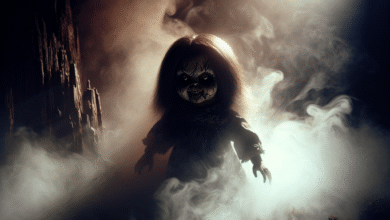
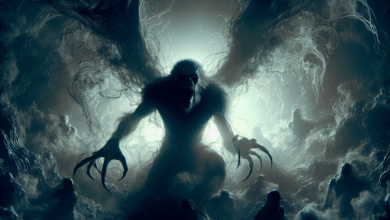
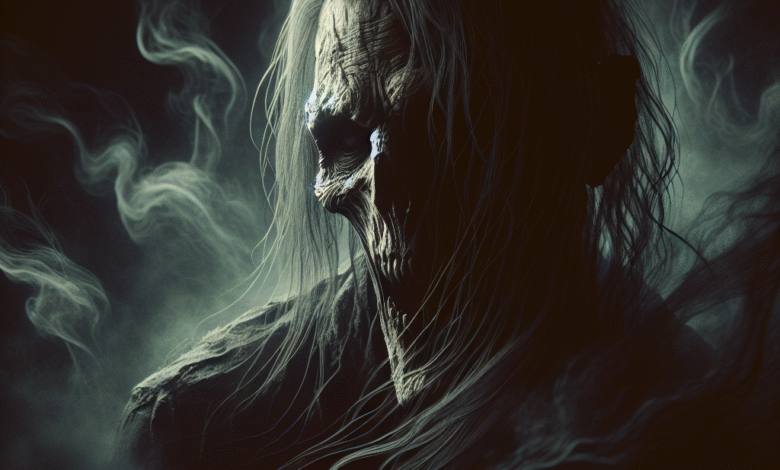
In the shadowy realms of folklore and myth, few entities instill as much dread as the ghoul. This insatiable creature, often associated with the undead and graveyards, dances on the border between the natural and the supernatural, evoking a unique blend of horror and fascination. Its origins stretch back to ancient lore, and it has since infiltrated popular culture, evolving into a monster that has gripped the imaginations of many.
Origins and Historical Background
The term “ghoul” originates from the Arabic word “ghul,” which describes a malevolent spirit associated with desolate places, particularly graveyards and ruins. In Arabian folklore, ghouls were known to be shape-shifters, able to take on the appearance of a human or animal to lure unsuspecting travelers before devouring their flesh. They were cursed beings, forever tied to the grave, often depicted as having a ravenous hunger for human meat.
The ghoul’s dark reputation permeated into Western literature during the 18th and 19th centuries. Its ghastly appetite for the dead and the morbid fascination with cannibalism gave rise to various interpretations across cultures. In some traditions, ghouls were seen as remnants of the damned, forever condemned to wander the earth in search of their next feast. The ghoul’s connection to death and burial grounds struck a chord with societies grappling with their relationships to mortality, fear, and the unknown.
Legends and Sightings
Legends of ghouls have haunted human history, often tied to periods of social upheaval or plague. In the deserts of the Middle East, tales circulated of ghoul sightings haunting the night, preying on travelers in desolate areas, leaving behind only whispers of terror. In these stories, the ghouls were said to emerge in the moonlight, their eyes glowing with a malevolent hunger, stalking the unwary.
One particularly chilling account describes the “Ghoul of the Ruins,” said to inhabit an ancient city buried under the sands. Locals recounted eerie encounters where travelers would stumble into the ruins only to be met with the ghastly cries of the ghostly creature. Those who entered the cursed city were said to vanish, becoming entrapped in the ghoul’s nocturnal feast, their screams echoing through the sands.
In the realm of urban legends, ghouls have morphed into contemporary boogeymen. Tales of grave robbers vanishing in eerie cemeteries or homeless individuals disappearing from city streets fueled whispers of ghoulish encounters lurking just beneath the surface of society. The ghoul embodies our primal fears, preying on the dark corners of our collective psyche, reminding us that the boundary between life and death is more fragile than we dare to believe.
A Permanent Fixture in Popular Culture
The ghoul has transcended its folkloric roots, adapting into a notable figure within popular culture. Perhaps one of the most enduring representations of ghouls can be seen in literature, where they have solidified their place in horror. H.P. Lovecraft’s “The Outsider” features ghoul-like creatures that embody the macabre horror genre Lovecraft is renowned for.
In cinema, ghouls have graced the silver screen as unsettling antagonists in movies like “The Midnight Meat Train” and “The Ghouls,” drawing audiences into their terrifying grip. Their depictions vary widely, from grotesque physical forms to phantoms of sorrow, yet all share a common root in their culinary ardor for human flesh.
Video games have also embraced ghouls as staple adversaries. Titles such as “The Elder Scrolls V: Skyrim” introduce ghouls as undead characters, lurking ominously in the shadows, preying upon the unsuspecting. This interactive medium has allowed players to confront their fears, protecting themselves against the all-consuming hunger represented by these dreadful creatures.
Even the comic book world has not been immune to the influence of ghouls, with characters like Ghoul, from the “Morbius: The Living Vampire” series, reflecting their malevolent allure and ties to horror. The ghoul’s eerie presence reminds us of the thin veil separating life and death, a theme resonating through countless narratives across all forms of entertainment.
Conclusion: The Creepy Fun Fact
As haunting as ghouls may be, a particularly spine-chilling fun fact surrounds their lore: in some parts of the Middle East, particularly in Iran, there are urban legends suggesting that individuals may become ghouls if they engage in practices of cannibalism. This belief serves as a cautionary tale, warning against the utmost violation of the sacred act of consuming human flesh and the horrors that may await those willing to cross this dark boundary.
In the end, whether in folklore, urban legends, or modern tales, the ghoul remains a potent symbol of our deepest fears, lurking in the recesses of our minds and the shadows of our streets. Their grotesque hunger for flesh serves as a reminder—a chilling echo of a time when death was closer than life, and the unspeakable was only a nightmare away.