Zombie
The Undead Enigma: A Profile of the Zombie
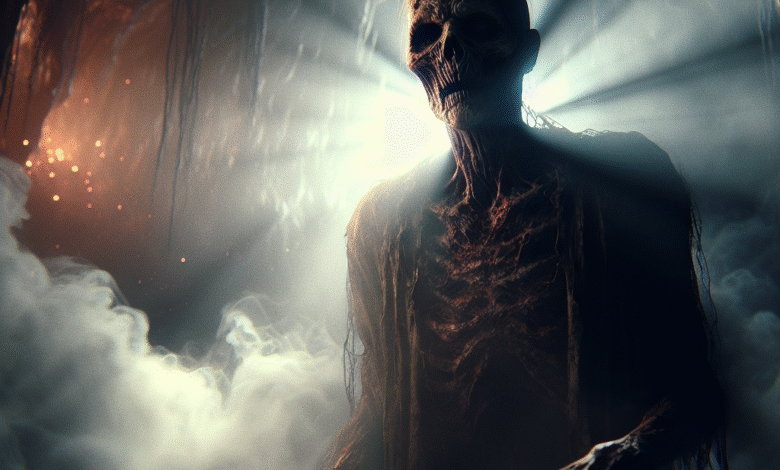
In the dim light of the moon, when shadows dance and the air grows thick with an unnatural stillness, a shadowy figure shuffles and groans, dragging its feet across the earth. It’s not a nightmarish figment of our imagination, but rather the infamous zombie, an entity that has captivated and terrified humanity for centuries. This undead creature, born from folklore and deep-rooted in cultural anxieties, has become iconic in modern media. But where did this grotesque revenant originate, and how has its representation evolved through time?
Origins of the Undead
The mystical origins of the zombie can be traced back primarily to Haiti in the early 20th century. The Haitian Vodou religion suggests that a zombi is a corpse brought back to life by a bokor, or sorcerer. This macabre resurrection is believed to strip the victim of their free will, turning them into a mindless servant. The tales spun around these beings echoed the fears and realities of colonial oppression, where the loss of autonomy was all too relatable. Expanded from real-world anxieties over slavery and control, the narrative quickly became more than just folklore.
Zombie legends started gaining traction outside of Haiti due to authors like William Buehler Seabrook, who sensationalized his encounters with Vodou culture in the 1920s. It was not long before Hollywood picked up on the grotesque charm of these reanimated corpses, launching the zombie into the realm of popular culture.
Cultural Significance and Sightings
Across different cultures, the concept of resurrected dead takes various forms. In ancient Mesopotamian texts, the dead are said to roam the living’s world. Similarly, in some facets of European folklore, vampires and revenants fit the bill of undead creatures reeking of death. However, the zombie’s characteristics as we know them—a previously lifeless body thirsting for flesh—are largely a 20th-century construct.
Reports of zombie-like figures have emerged in the annals of history. In West African cultures, stories speak of “zombies” walking among the living, embodying lost souls. Interestingly, sightings of individuals seemingly disconnected from reality, due to ailments such as catatonia or severe psychological conditions, were often interpreted through the lens of the supernatural, cementing the zombie’s place in the local fabric of myth.
Urban Legends and Speculative Reports
Urban legends fuel the fascination with zombies. Reports of mysterious figures wandering late at night often bubble to the surface of public consciousness, accompanied by eerie stories and whispered warnings. In contemporary cities, tales of ‘infected’ individuals strutting through darkened streets fuel both fear and intrigue.
One of the most chilling urban legends surrounding zombies relates to Florida’s infamous “Florida Man,” who reportedly ate the face of a homeless man. The incident highlighted bizarre, drug-induced behavior, muddling the lines between reality and the specter of the undead. Such real-life horrors only blur our understanding of who—or what—becomes a zombie in moments of unshackled madness.
Zombies in Popular Culture
Since their cinematic debut in George A. Romero’s 1968 film Night of the Living Dead, zombies catapulted into the zeitgeist, transforming from terrifying folklore into symbols of societal fears. Romero’s work established the “modern zombie” trope as a ravenous, mindless horde, setting the stage for countless iterations in films, books, and video games.
In the realm of literature, Max Brooks’ World War Z unfurls a gripping narrative that portrays a global apocalypse triggered by a zombie outbreak. His book dives deep into the political, social, and psychological ramifications of a world overrun by the undead.
Games have also embraced these fascinating creatures. Titles such as “Resident Evil” and “The Last of Us” deliver harrowing experiences, blending interactive storytelling with the sheer horror of facing relentless waves of zombies, juxtaposing survival and humanity in a crumbling world. The recent boom in zombie-centric shows, like The Walking Dead, injects both action and gripping character development into our screens, expanding the audience’s perception beyond mere horror.
A Creepy Fun Fact
While the notion of zombies is often synonymous with shambling, brain-hungry ghouls, the concept has found its way into uncanny medical phenomena too. The term “zombie” is sometimes applied in medical contexts when referring to individuals experiencing a reanimation-like state due to severe neurological damage. In some rare cases of poisoning from substances like the pufferfish toxin, individuals can appear dead—only to awaken just before burial. These instances not only underline cultural narratives but pose unsettling questions about life, death, and the threshold between the two.
As the clock ticks forward and shadows lengthen, the zombie continues to linger—an eternal symbol of our fears and fascinations, roaming our thoughts and our popular culture. Will they remain a mere cautionary tale, or will they evolve into new manifestations as our collective anxieties shift? Only time will tell. Until then, tread carefully through the shadows; you never know who—or what—might be lurking just beyond the dim light.