Krampus
Unveiling Krampus: The Darker Side of Yuletide
As the Christmas season approaches, twinkling lights and festive melodies fill the air, but lurking in the shadows of this joyous celebration is a figure that sends shivers down the spine—Krampus. Unlike the jolly old man who rides in a sleigh, Krampus is a creature shrouded in darkness and mischief. With clanking chains, gnarled horns, and a sinister facade, this supernatural entity plays the role of Christmas’s dark counterpart, punishing the naughty while the nice receive gifts. Buckle up as we dive into the chilling lore surrounding Krampus—a creature that walks the fine line between holiday cheer and bone-chilling fear.
A Sinister Origin
The origins of Krampus date back to pre-Christian Alpine traditions in Europe, particularly in regions that now comprise Austria and Germany. This horned figure is believed to have roots in pagan mythology, symbolizing fertility and the nurturing of the land during winter months. With the advent of Christianity, Krampus was transformed from a pagan demigod to a Christmas devil, a being summoned to temper the joys of the holiday season with the fear of consequence.
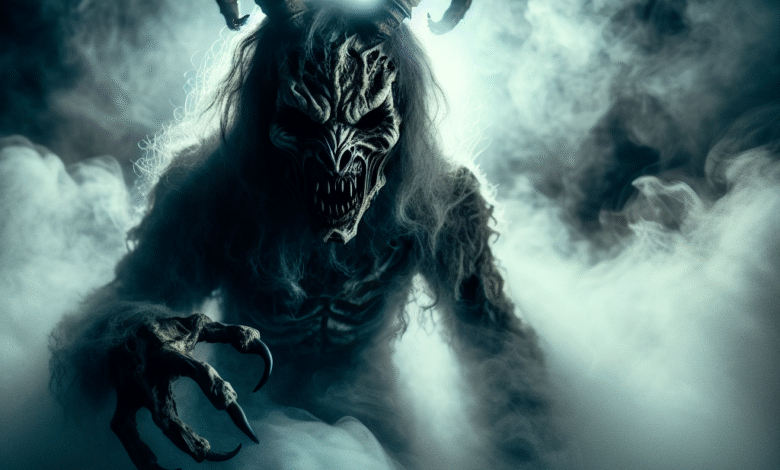
His name derives from the German word "krampen," meaning "claw," highlighting his dark and menacing nature. Folklore describes Krampus as a half-goat, half-demon creature, complete with hulking legs, cloven hooves, and a long, serpentine tongue that hangs from his mouth as he prowls through the snow, searching for ill-behaved children. Legends explain that he carries a sack to abduct the naughty ones, dragging them to his lair to meet a fate far worse than mere coal in their stockings.
Cultural and Historical Background
Krampus festivities began in the 12th century and remained an essential tradition in many Alpine communities. Every year, children who misbehave are warned that Krampus might visit them on the eve of Saint Nicholas, December 5th. Meanwhile, the well-behaved are rewarded with treats and gifts by St. Nicholas himself.
One of the most distinctive ways Krampus is celebrated is through the "Krampuslauf," a lively parade where revelers dress up in elaborate Krampus costumes, complete with horns and fur suits, while engaging in festive mischief and merriment. These parades serve as a blend of tradition and modern exuberance, drawing significant crowds eager to witness the chaotic charm that Krampus embodies.
Sightings and Legends
Throughout history, sightings of Krampus have permeated Alpine communities, with tales of his menacing visitations instilling a blend of fear and excitement among children and adults alike. In the early 20th century, postcards depicting Krampus became popular throughout Europe, often showing the creature playfully chastising or terrifying naughty children. These postcard depictions contributed to Krampus’s mystique, morphing him from an ominous being into a susceptible subject of art and discussion.
In various European regions, stories abound of Krampus’s encounters with children. One particularly chilling legend tells of a young boy who, defying his parents, refused to behave. On St. Nicholas Eve, he awoke to find Krampus waiting by his bedside. The boy’s screams rang through the air, but alas, the only sound that remained was that of Krampus’s chains clanking as he disappeared into the night—taking the child along with him. Such tales have been repeated and adapted over generations, instilling the fear of Krampus as a moral deterrent against naughty behavior.
Krampus in Popular Culture
Over the past few decades, Krampus has clawed his way into the mainstream, transitioning from folklore to popular culture. Films like "Krampus" (2015), directed by Michael Dougherty, brought the creature to a global audience, blending horror and dark comedy. The film establishes Krampus as both the punisher and a symbol of family unity amidst holiday chaos, demonstrating the duality of his character.
In literature, the writings of Holly Black and other contemporary authors have integrated Krampus into modern storytelling, depicting him as a powerful yet misunderstood entity, twisting the traditional anxieties surrounding the holiday season into themes of redemption and significance.
Video games also capitalized on the fascination with Krampus, with appearances in titles like "Bloodborne" and "The Binding of Isaac," where the creature often serves as an adversary, challenging players to confront their fears symbolized by bad behavior.
A Creepy Fun Fact
As if Krampus’s lore wasn’t chilling enough, one urban legend claims he is said to roam the streets during Christmas season, searching for those who dare to disregard the spirit of the holiday. Some modern-day “Krampuses” even emerge to perform festive pranks and frighten onlookers, leading people to wonder whether they’re encountering a mere costumed reveler or something far more supernatural.
So, as you sip hot cocoa and wrap your presents this holiday season, remember to keep an eye on your behavior—after all, Krampus might just be lurking nearby, watching to see if you’ve been naughty or nice. Be warned, for the darkened shadows of Christmas may conceal more than just the whispers of wind; they might just hint at the presence of Krampus, the spooky specter of the season, ready to weave his tales of terror once again.