Wendigo
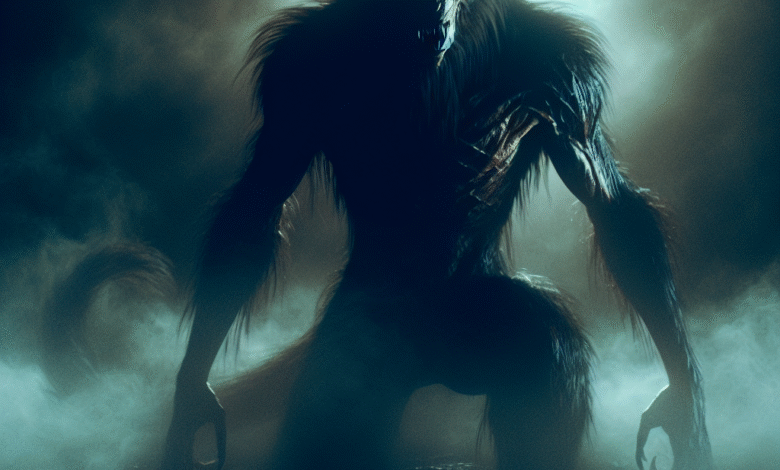
The Wendigo: A Haunting Presence of Indigeneity and Insatiable Hunger
Deep in the icy grip of North America’s boreal forests lurks a creature borne of myth, legend, and unquenchable thirst: the Wendigo. This spectral being, often described as a gaunt, emaciated figure standing over seven feet tall, encapsulates the very essence of insatiable greed and the horrors faced by those who succumb to it. As we delve into the eerie origins, historical significance, unsettling sightings, and appearances in popular culture, the Wendigo transforms from a mere story into a living nightmare.
Origins and Cultural Background
The Wendigo’s roots stretch deep into Algonquian folklore, very much tied to the spirituality and traditions of Native American tribes, particularly those in the Great Lakes region. The tale of the Wendigo is often wrapped in cautionary teachings, warning against the taboos of cannibalism and the dangers of greed. Indigenous narratives characterize the Wendigo as a malevolent spirit, cursed and corrupted by its own lust for human flesh.
Initially, the Wendigo was described as a human who fell prey to starvation in the brutal winter months and, in a moment of desperation, resorted to cannibalism. This act would summon the Wendigo spirit, transforming the individual into a hollow shell, eternally hungrily roaming the wilderness, forever craving human meat.
This tale holds a grave significance in the Northern tribes, serving as a metaphor for the dire consequences of unchecked ambition and the moral decay that can consume the soul. The Wendigo was not merely a monster; it was a warning against losing one’s humanity amidst the unforgiving challenges of survival.
Sightings and Legends
Throughout history, tales of the Wendigo have proliferated, seeping through boundaries, transcending tribes, and entering the realms of colonial folklore. One notable legend revolves around a man named Swift Runner, a First Nations individual who succumbed to this ghastly curse in the winter of 1879. After being trapped by the merciless cold, he murdered and ate his own children and wife. Swift Runner was later captured and executed, but his story cemented the Wendigo myth as a real and terrifying possibility, leaving people shaken and haunted.
Reports of Wendigo sightings have persisted into modern times. Local hunters and outdoor enthusiasts annually recite chilling encounters with the creature—shadows flitting between trees, eerie howls echoing through the night, and the feeling of being watched in the wilderness. Many recount instances of inexplicable hunger overwhelming them during their adventures in remote areas, a sensation they attribute to the Wendigo’s insidious influence.
Appearances in Popular Culture
The Wendigo has clawed its way into the collective consciousness of modern media, embodying fears of loneliness, greed, and existential dread. From cryptozoological documentaries to spellbinding horror novels, the creature has left an indelible mark on pop culture.
One of the most renowned representations of the Wendigo is found in Algernon Blackwood’s 1910 short story, “The Wendigo,” which explores a harrowing tale of a group of men undertaking a hunting trip in the wilderness. Their nightmare unfolds as the spirit comes alive, consuming them in paranoia and fear—an early harbinger of psychological horror.
In cinema, the Wendigo has appeared in various forms, notably in the 2014 film Wendigo, where the horror is derived not only from the physical creature but also from the emotional and psychological trauma of the human characters. More recently, the 2015 horror video game Until Dawn introduces an adaptation of the Wendigo legend, presenting the creature as a horrifying, skeletal beast roaming the snowy mountains, blending the legend with contemporary horror storytelling.
Other pop culture references include television series like Supernatural, where the Wendigo plays a role as a ferocious enemy to hunters, and Marvel Comics, where it has been depicted as an adaptation akin to the Hulk but with a cannibalistic twist.
Conclusion: A Legacy of Fear
The Wendigo remains an enigmatic and monstrous figure, embodying both the primal fears of humanity and the deep-rooted cultural teachings of Indigenous peoples. Beyond its haunting visage lies a cautionary tale that warns us of the dangers of greed and the moral consequences of our actions.
Creepy Fun Fact: A chilling urban legend told among Indigenous communities maintains that if one looks deep into the woods and sees a figure that appears to be observing them but disappears when approached, they may be cursed to become a Wendigo. As the story goes, they would feel an insatiable hunger creeping into their spirit, signaling the creature’s call to engulf them in its insatiable desire. So next time you’re wandering through the woods, keep an eye out for shadows lurking just beyond the trees; it might just be the Wendigo, waiting to lure you into its chilling embrace.