Doppelgänger
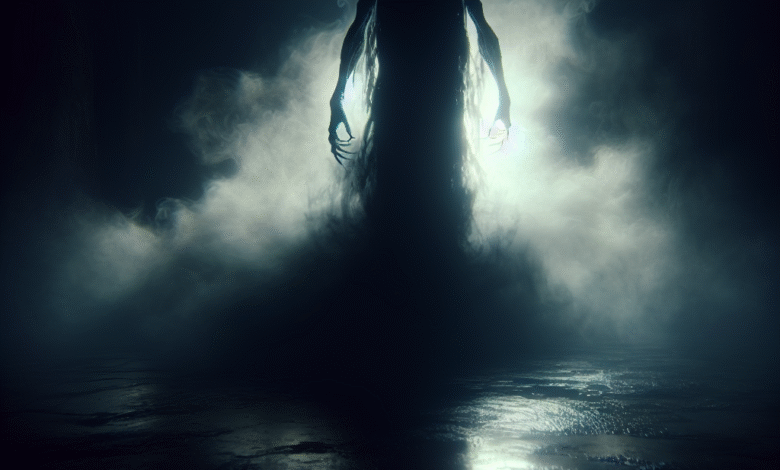
The Enigmatic Doppelgänger: Shadows of Our Self
In the realm of the supernatural, few entities evoke as much intrigue and unease as the doppelgänger. This eerie harbinger of duality, derived from the German terms "doppel" (double) and "gänger" (walker), embodies the unsettling notion of a double or counterpart. But unlike a mere reflection, a doppelgänger is an independent being that can wreak havoc on one’s life. Its origins trace back to German folklore and have since woven themselves into the fabric of cultures around the globe, making this phantom a potent symbol of identity, fear, and the uncanny.
Historical and Cultural Roots
The term "doppelgänger" first appeared in the early 19th century, but its roots run deep into historical folklore. In Norse mythology, the concept of a “vardøger,” a spirit double that would precede an individual, shares striking similarities with doppelgängers. In Slavic folklore, the idea of a “double” was seen as a foreboding omen, often linked to death or misfortune. It was believed that encountering one’s doppelgänger could herald tragedy.
The Victorians were particularly fascinated by the idea of the double, viewing it as both a curse and a philosophical puzzle—highlighting the conflict between the self and societal expectations. This intrigue manifested in literature and art, where the doppelgänger became a ragged echo of an individual’s inner struggles and anxieties.
Legends and Tales
Legends of doppelgängers are as varied as the cultures they inhabit. One of the most chilling tales comes from the realm of Romantic literature. The German writer, Goethe, recounted a mysterious incident where he claimed to have seen his own doppelgänger while wandering through a town. The doppelgänger appeared to be living a life parallel to his own, guiding the narrative into an unsettling exploration of fate and identity.
In more contemporary accounts, there have been numerous reported sightings, often laced with spine-tingling twists. Those who have encountered their doppelgänger report feelings of dread and an unsettling recognition, as if looking into a distorted mirror. Some have claimed that these encounters preceded life-altering events, creating an aura of fatalism around the apparition.
The Dread in Popular Culture
The doppelgänger’s spectral allure has made it a compelling subject across various media, appearing in literature, film, and even video games. In F. Scott Fitzgerald’s “The Great Gatsby,” the protagonist Jay Gatsby embodies a form of the double; his grand persona is a mere façade, a construct that obscures his true self. Kafka’s “The Metamorphosis” also explores this theme, presenting the protagonist’s grotesque transformation as a horrific manifestation of his double.
Hollywood has embraced the doppelgänger trope. In films like “Fight Club,” the protagonist grapples with his alter ego in a chilling exploration of identity and madness, effectively personifying the internal struggle we all experience. “Black Swan” offers another depiction, as Nina’s doppelgänger serves as a harbinger of her descent into insanity, highlighting the rivalry between her two selves—a battle played out on and off the stage.
Even the world of video games has not shied away from the doppelgänger theme. Titles such as “The Legend of Zelda: Twilight Princess” introduce shadow forms that represent the hero’s fears and challenges. The doppelgänger in gaming evokes player engagement, forcing players to confront their duality in ways that provoke both fear and empowerment.
A Creepy Fun Fact
As if doppelgängers weren’t eerie enough, a chilling urban legend surrounds them: it’s said that if you encounter your doppelgänger, it could signify your impending death. In ancient folklore, seeing your double is a warning—a stark reminder of the frailty of life. Some believe that the doppelgänger can absorb aspects of your essence, effectively replacing you. The thought of an entity that mirrors your very existence, capable of signaling doom, sends chills down the spine.
Doppelgängers remind us of the complexity within ourselves. They are a fascinating blend of folklore, fear, and identity that has permeated both history and contemporary culture. As we navigate through life, perhaps it’s worth asking: what shadows lurk beneath our surface? And what dark reflections might we encounter along the way? So, keep an eye out the next time you wander; that uncanny figure you catch out of the corner of your eye may just be a glimpse of your own elusive doppelgänger lurking in the shadows.