Jason Voorhees
Jason Voorhees: The Legend of Crystal Lake
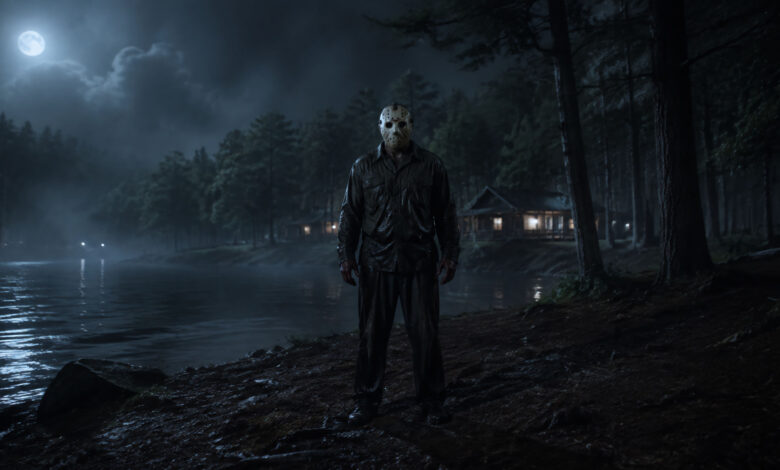
In the dim shadows of American folklore, few figures emerge as chillingly as Jason Voorhees, the iconic masked slayer of the “Friday the 13th” franchise. With a legacy steeped in terror and intrigue, Jason is not merely a fictional monster; he represents the dark recesses of human fear, vengeance, and the consequences of neglect. To understand Jason, we must journey back to the sparkling shores of Crystal Lake, where his tragic origin story unfolds.
The Birth of Terror: Jason’s Origin
Jason was born in 1946, a product of the unforgiving environment of Crystal Lake, New Jersey. Deformed and isolated, the young boy was the subject of ridicule from his peers, a victim of the circumstances that surrounded him. It was during a summer camp at Crystal Lake that fate turned cruel. As the counselors foolishly indulged in activities that led them to neglect their duties, Jason drowned, left to the depths while the uncaring adults engaged in self-indulgence.
But death was not the end for Jason. Instead, it marked the beginning of his supernatural evolution. Legends say that he miraculously survived his drowning, learning to roam the woods and seethe in the shadows, nurtured by his overwhelming grief and desire for revenge against those who wronged him. When his mother, Pamela Voorhees, took revenge upon the camp counselors for their negligence, Jason was not merely a shadow haunting the woods; he became a vengeful spirit, reborn with a mask that would become synonymous with horror.
Cultural Roots and Historical Background
The tale of Jason Voorhees mirrors timeless themes of horror found in ancient mythology. His narrative encompasses the archetype of the “wronged child,” a figure often depicted in folklore as serving as a harbinger of vengeance against those who neglect the innocent. The haunted lakes and cursed woods of New Jersey also tie back to real-world narratives of tragedy at summer camps, tapping into a collective fear of both nature’s wrath and moral irresponsibility.
The very fabric of Jason’s story intertwines with societal themes surrounding childhood trauma, neglect, and the monstrous manifestations of grief. As Jason emerged out of these narratives, he began to resonate deeply with audiences, becoming a popular representation of the dangers hidden beneath familiar suburban façades.
Legends and Sightings
Sightings of Jason Voorhees have become an integral part of urban legendry. Aside from the fictional accounts captured on film, numerous whispers circulate about encounters with the mask-clad figure lurking in the woods surrounding Crystal Lake. Campfire stories reveal sightings of a hulking figure moving silently among the trees, a disembodied spirit protecting his domain. Some claim to have heard the chilling sound of a distant chainsaw or the iconic “ki-ki-ki, ma-ma-ma” echoing through the night air, sending chills down the spines of campers and adventurers who venture too close.
These local legends only add to the eerie atmosphere surrounding the campgrounds, with some daring to suggest that Jason’s spirit remains intertwined with the lake itself. Water, often depicted as a symbol of purification, transforms in this narrative to a menacing force, urging visitors to respect the tragic history hiding beneath its surface.
Jason in Popular Culture
The legacy of Jason Voorhees has transcended beyond the confines of slasher films to penetrate various cultural facets, cementing his place in horror history. The first film, “Friday the 13th,” released in 1980, introduced audiences to the masked killer, setting the stage for an iconic series that would feature him as the main antagonist in many sequels.
From “Friday the 13th: Part II” to “Jason Goes to Hell,” every installment delved deeper into the mythology surrounding Jason, allowing filmmakers to experiment with themes of resurrection, vengeance, and the horror of the human psyche. Notably, Jason’s appearance in “Freddy vs. Jason” marked an intersection of two horror titans, showcasing his undying relevance.
Beyond film, Jason has graced video games like “Dead by Daylight,” allowing players to engage with the figure of terror in interactive formats. Graphic novels and comic books further expand his haunting presence, revealing layers of his character and the complex emotions tied to his actions.
Creepy Fun Fact: The Mask of Fear
One of the most chilling aspects of Jason’s legacy is the iconic hockey mask he wears—a symbol of fear, anonymity, and horror. Originally conceived as a simple prop, the mask has taken on a life of its own. Legend has it that the original mask from “Friday the 13th Part III” was an unaltered version of a real hockey goalie mask, discovered serendipitously. As that mask flew onto the screen, it transformed from sports equipment to an emblem of terror, solidifying Jason’s persona and engraining itself in the psyches of horror enthusiasts worldwide.
Thus, as dusk falls and shadows stretch beneath the trees of Crystal Lake, one cannot help but wonder: does a fragment of Jason Voorhees still linger, waiting for the unwary, forever bound to his tragic fate? As the urban legends persist and sightings continue to captivate thrill-seekers, Jason lives on in the chilling echoes of folklore—a reminder of the darkness that lurks just beyond the campfire’s light.