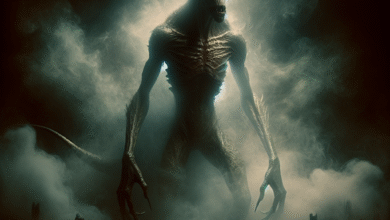
Kayako (The Grudge)
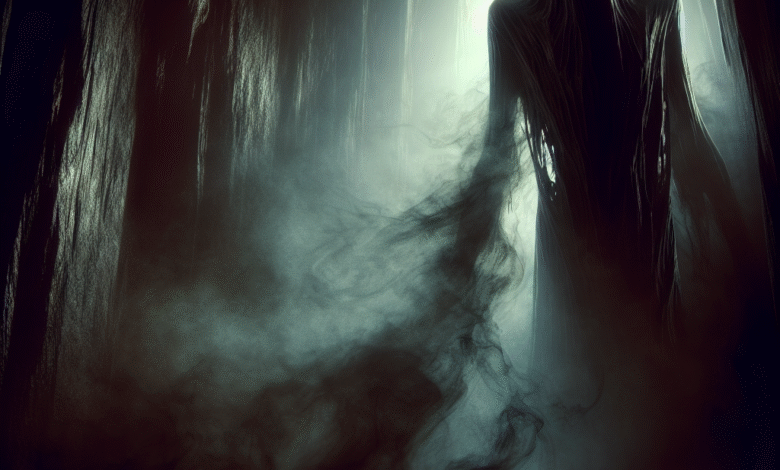
The Haunting Shadows of Kayako: The Grudge
Beneath the surface of everyday life, in the shadows where dread lingers, lies a spirit so vengeful and tragic that its story sends chills down the spine. Kayako Saeki, the malevolent entity known as “The Grudge,” emerges from the dark recesses of Japanese horror, an emblem of rage and sorrow that has haunted both folklore and popular culture.
Origins: A Tale of Tragedy and Betrayal
Kayako’s origins are steeped in a narrative as dark as the depths from which it arises. The narrative begins in a seemingly ordinary home in Japan—a house rife with unspoken tensions. Kayako, a devoted wife, discovers that her husband, Takeo, has become consumed by jealousy, driven by the belief that he has lost her affections to another man. This pathological obsession leads to Kayako’s brutal murder. Taken in a moment of passion and madness, her life is extinguished, her spirit cursed to linger in the place where her violence was born.
But it is not merely the act of her death that brands Kayako with darkness; it is the sorrow and rage that emanate from her as a betrayed soul, manifesting the powerful emotion known in Japanese folklore as “onryō.” This term refers to a spirit seeking vengeance for wrongs done in life. Thus, Kayako’s form transcends mere terror; she embodies the deep-seated pain of betrayal, forever trapped between two worlds.
Cultural and Historical Context
In Japanese culture, tales of vengeful spirits are not just stories; they are cautionary tales that echo the importance of respect and consequence. Onryō exemplifies how unresolved passions and grievances can lead to tragic ends, rippling into other lives like a stone cast into a still pond. The concept serves as both an entertainment medium and a moral compass, reminding the living of the repercussions of our actions.
Kayako’s saga speaks to the societal fears of infidelity, guilt, and betrayal, reconciling these experiences through the lens of supernatural horror. The notion that a spirit could return for revenge taps into not just Japanese folklore but a universal fear—the fear of the unresolved and the spectral weight of past actions.
Sightings and Legends
Reports of “sightings” of Kayako are most often relegated to the silver screen, yet her presence feels palpably alive within the annals of urban legends. Locals have claimed to experience inexplicable disturbances in spaces once inhabited by her horror, echoing her chilling cry, a sound that has become synonymous with dread.
Many have recounted occurrences of unnerving flickering lights or cold breezes overwhelming certain locations, as though the air itself thickens with her ethereal resentment. Such experiences have led to speculation that the spirit of Kayako could inhabit locations that resonate with the emotion of her story, illustrating the notion that energies from the past can latch onto the present. Although modern sightings are scarce, the cultural impact of Kayako’s tale continues to resonate deeply within the haunted corners of Japan.
Appearances in Popular Culture
Kayako emerged from obscurity into a global phenomenon thanks to the cinematic genius of Takashi Shimizu, who directed the original film “Ju-On: The Grudge” in 2002. This Japanese horror film quickly captivated international audiences with its chilling narrative and the haunting figure of Kayako. Her white, ghostly visage, matted hair, and menacing crawl became iconic, actively scaring audiences worldwide.
The success of the original film spawned several sequels, expanding Kayako’s lore while retaining the core elements of her tragic tale. Notably, her story has been adapted into the American remakes—the 2004 film “The Grudge” starring Sarah Michelle Gellar, which introduced Kayako to a wider audience, solidifying her place in modern horror pantheon.
Beyond film, Kayako has transcended to video games and comic books, serving as a figure that embodies psychological horror and palpable fear. The unsettling cries and her haunting presence have made their way into games, including “Fatal Frame” series, elevating her status as a terror that haunts interactive entertainment.
A Creepy Fun Fact
Urban legends surrounding Kayako often weave fascinating threads into the fabric of her story. One spookily intriguing fact is that it is said if you experience the sound of Kayako’s signature “eeh-e-eh” wail, it indicates that she is watching you. This has led to warnings among fans of horror; it’s whispered that hearing her call is an omen—a signal that the vengeful spirit is nearby and could soon unleash her wrath. To hear the wail is to invite fear, transforming casual horror fans into cautious skeptics of the supernatural.
In conclusion, Kayako Saeki, the embodiment of sorrow and vengeance, not only enchants us with her ghostly presence but also serves as a chilling reminder of the darkness lurking within human emotions. From the shadows of her haunted home, she stretches across culture and art, ensuring her legacy endures, haunting our dreams long after the lights go out.