Leatherface
The Nightmare of Texas: Unraveling the Legend of Leatherface
In the shadowy recesses of folk horror, where reality intertwines with the surreal, there lurks a figure that has haunted the nightmares of many: Leatherface. Originating from the rural landscapes of Texas, this monstrous entity embodies the very essence of fear, representing the madness that can thrive when humanity’s lines are blurred by trauma and derangement.
The Origin of Leatherface
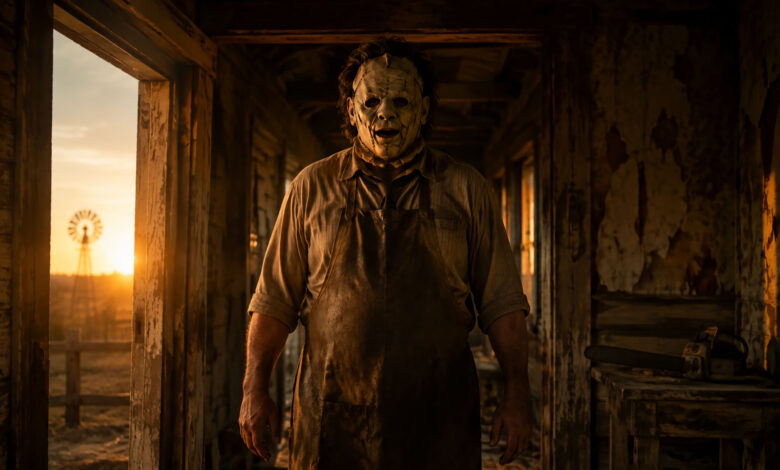
Leatherface first emerged in the gruesome pages of horror fiction in 1974, thanks to the visionary mind of Tobe Hooper, who directed The Texas Chainsaw Massacre. Based loosely on the twisted psyche of real-life murderer Ed Gein, who was notorious for fashioning keepsakes from the skin of his victims, Leatherface was designed to encapsulate the grotesque. Clad in a mask made from human skin, he is not just a garish figure; he is a reflection of social isolation, familial dysfunction, and visceral terror.
This menacing character is not merely an isolated creation; he has roots in historical events that prey on our deepest fears. The backdrop of post-Vietnam America—where disillusionment and violence ran rampant—greatly influenced the film and its characters. Hooper’s work speaks not just to the horror genre but to a generation grappling with trauma, reinforcing the idea that nightmares aren’t conjured near haunted castles—they can exist in the mundane, the everyday lives of seemingly ordinary people.
Cultural and Historical Background
The tale of Leatherface and his twisted family has become an integral part of American folklore. In the world of the Chainsaw universe, the Sawyer family, which harbors Leatherface, symbolizes the disintegration of the family unit. Their unsettling dynamics, often overlaid with themes of cannibalism and survival by any means necessary, offer a chilling commentary on a society that has forsaken its moral compass.
From the time of its release, The Texas Chainsaw Massacre became a crucible for discussions surrounding violence in film and its impact on society. For many, Leatherface isn’t merely a monstrous killer—he embodies the raw, untamed fears of a populace grappling with its own darker instincts. His presence echoes through the halls of horror cinema, resonating with audiences who find a concatenation of dread and intrigue in his character.
Sightings and Legends
As a supernatural entity, Leatherface has transcended his cinematic origins, manifesting in urban legends and anecdotal sightings. Across the Southern United States, local lore often recites eerie tales of a chainsaw-wielding figure lurking in the thick forests and desolate backroads, hinting at the horrors that await those who wander too far off the beaten path. While these stories are primarily the work of fear-stricken imagination, they reinforce the cultural impact of Leatherface as a modern bogeyman.
Those who claim to have seen him describe an overwhelming sense of dread, often reciting a chilling detail: the deafening roar of a chainsaw piercing the night air. Such descriptions are often accompanied by tales of unexplained disappearances in rural Texas, where the official narrative dismisses the grotesque as mere myth, but the locals whisper warnings of the monstrous family waiting to trap the unwary.
Popular Culture Appearances
Leatherface has become a seminal figure in horror, his influence evident across various media. Following the original film, the franchise spawned numerous sequels, remakes, and prequels, with varying degrees of fame. Notably, expansive universe films like The Texas Chainsaw Massacre: The Beginning delve deeper into his tumultuous upbringing, further humanizing what some would perceive as an inhuman monster.
In addition to films, Leatherface has invaded comic books, video games, and even Halloween costumes, securing his place as a cultural icon. Titles like Dead by Daylight have endeavored to integrate him into the interactive gaming world, allowing players to experience the fright firsthand. This transition from screen to device showcases the adaptability of his character, morphing from a static entity of fear into a participatory horror experience.
Even more astonishing is Leatherface’s foray into literature. Novels expanding on his story have transformed him into a symbol for the discussion of isolation and violence in modern society.
A Creepy Fun Fact
As we step back from the chilling face of Leatherface, one might wonder how deeply rooted his legend is within actual societal fears. An urban legend suggests that the inspiration for his chainsaw originated from farmers—the very people who employed it for their laborious work. It often detailed how they used these machines to fend off predators, both animal and human, hence creating an atmosphere of primal fear equated with their daily livelihoods.
Thus, the chainsaw, an object of survival, becomes a symbol of death in the hands of Leatherface. This paradox of safety turning to terror adds layers to the legend, reminding us that our greatest fears sometimes lie within the very tools we create for survival—a lesson seasoned with horror for those who dare venture into the dark unknown.
Leatherface stands as a haunting reminder of the fragility of humanity, the horrors that lurk behind family facades, and the terrors that dwell just beyond the flimsy veil of civilization. As the echoes of his chainsaw fade into the twilight, the fear lingers, reminding us that true monsters often wear familiar faces.