The Wolfman
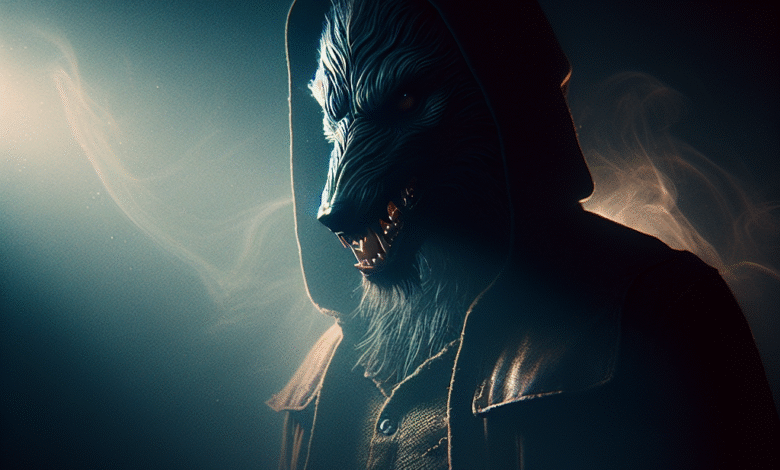
The Wolfman: A Howl in the Night
In the shadowy corners of folklore, one creature reigns supreme in terror—the Wolfman. This enigmatic figure, part man and part beast, has haunted humanity for centuries, weaving a tapestry of fear and fascination that spans across cultures and mediums. From ancient legends to modern horror films, the Wolfman embodies our deepest anxieties about nature and the animalistic instincts that lie dormant within us all.
Origins: Where Myth Meets the Moon
The tale of the Wolfman can be traced back to various cultural mythologies, with one of the earliest recorded instances appearing in ancient Greece. The myth of Lycaon, a king who was transformed into a wolf as punishment by Zeus for his wickedness, highlights the duality of human nature—a theme that resonates through time. In many cultures, werewolves symbolize humanity’s struggle against our primal instincts, serving as grim reminders that beneath civility lurk the untamed.
As the centuries unfurled, variations of the Wolfman story emerged. In medieval Europe, fear of werewolves surged, particularly in France and Germany, coinciding with witch hunts and widespread hysteria. Those accused of witchcraft sometimes recounted vivid tales of shapeshifting into savage beasts, an idea propagated by societal fears of the unknown. In reality, many individuals declared to be werewolves may have suffered from rabies or other conditions that altered their behavior, leading to a ghastly blend of myth and reality.
A Howl in the Dark: Sightings and Legends
The Wolfman’s legends are rife with spine-chilling accounts of sightings and encounters. From the eerie woods of North America to the mist-cloaked hills of Europe, stories abound of nocturnal creatures lurking just out of sight. One of the most famous reports emerged in 1935 from the United States, specifically, the legendary Wendigo of Algonquin folklore. Described as a monstrous, emaciated figure with an insatiable hunger, it shared eerie similarities with the Wolfman, emphasizing the cultural fluidity of such creatures.
However, rather than being confined to singular locations, Wolfman sightings are global phenomena. In the Ural Mountains of Russia, villagers speak of the ‘Bies,’ a shape-shifting spirit said to roam the wilderness as a hulking wolf-man at night. The tales share thematic elements: a cursed existence, nocturnal hunts, and a transformation triggered by the full moon—a warning to stay indoors after dusk if you value your humanity.
Popular Culture: The Shape of Fear
The Wolfman has clawed its way into popular culture, finding its way to the silver screen, literature, and even video games, evolving alongside our fears and fascinations. Perhaps the most significant leap into modernity occurred with the 1941 film The Wolf Man, starring Lon Chaney Jr. The movie solidified the creature’s cinematic presence, introducing the iconic transformation sequence that has since become its hallmark. Chaney’s portrayal resonated with audiences, inspiring a host of remakes and spin-offs over the decades, including the 2010 film featuring Benicio del Toro.
Literature has also embraced the Wolfman archetype. Works like The Werewolf by Clemence Housman and Stephen King’s Cycle of the Werewolf delve into the bestial nature of the creature, exploring themes of identity and morality. Supernatural horror video games such as The Witcher series further cemented the Wolfman in the modern zeitgeist, allowing players to confront this ancient fear in interactive storytelling.
Television shows have also tapped into this primal horror, with series like Teen Wolf and Being Human offering fresh interpretations of the Wolfman myth. This resurgence not only captures the imagination of a new generation but serves to remind us of our long-standing fascination with the monster that resides within.
Urban Legends: A Spine-Chilling Conclusion
As with any legendary creature, the Wolfman has spawned urban legends that send shivers down our spines. One particularly eerie tale involves a small town where residents would gather to tell stories by the light of a fire about a creature that stalked the local woods. According to legend, the Wolfman would appear whenever a full moon graced the sky, silhouetted against the night, howling its haunting call. Those brave enough to venture out during these times would often report hearing blood-curdling cries, followed by the sudden disappearance of their friends.
Additionally, there is an unsettling tale of a young man who, believing himself to be a werewolf, decided to embrace his fate. He went into the woods, never to return, leaving behind only eerie howls that echoed through the night. Locals still claim to hear his agonizing cries lamenting the loss of humanity every full moon—a chilling reminder that the night holds secrets best left undisturbed.
A Creepy Fun Fact
Did you know that in 17th-century France, an actual trial took place involving a man named Jean Grenier, who claimed to have been turned into a Wolfman? During his trial, witnesses testified to his terrifying deeds, leading to widespread panic. Ultimately, he was declared a shapeshifter and imprisoned. While much of the evidence was likely fabricated, it isn’t hard to see how the deepest fears of humanity gave rise to the legend of the Wolfman that continues to haunt us even today.
So, the next time the moon hangs large and bright in the sky, and the shadows stretch longer, remember—and listen closely. You may just hear the echo of a phantom howl reminding us that the Wolfman is never too far away.