Samara (The Ring)
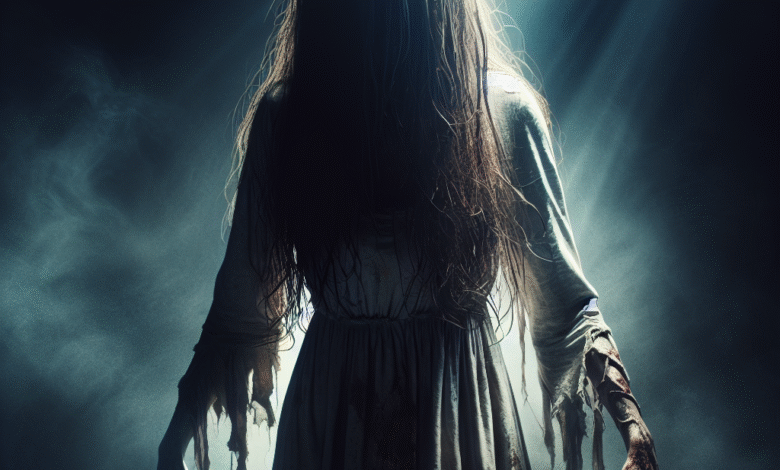
Samara: The Haunting Presence of “The Ring”
In the dim light of a flickering screen, few cinematic horrors have left an indelible mark on audiences like Samara Morgan, the spectral child from The Ring. With her long, dark hair and haunting gaze, Samara is not merely a ghost; she embodies the fears and tragedies that persist beyond the veil of death. Her origins, shrouded in a nefarious past and woven into a fabric of supernatural lore, provide a chilling backdrop to the terror she inflicts.
Origin and Cultural Background
Samara Morgan was born into a life of suffering. Her character is drawn from Ring, a Japanese horror novel by Koji Suzuki, successfully adapted into an international phenomenon that culminated in the American film The Ring (2002). In the narrative, Samara’s life is fraught with trauma and dark energy. The daughter of a disturbed mother, she possesses abnormal abilities—communicating with the world through images and thought, thickening the atmosphere around her with an eerie morbidness. When her mother, driven by madness, ultimately casts her into a well—a burial of innocence—Samara’s spirit becomes a conduit for vengeance, forever trapped between realms.
Rooted in Japanese folklore, the concept of vengeful spirits, or Yūrei, resonates deeply within the character of Samara. Traditional beliefs hold that souls who meet tragic ends linger, harboring anger and sorrow. This cultural backdrop enriches Samara’s story, portraying a spirit not merely seeking revenge, but longing for recognition and resolution.
Sightings and Legends
Though Samara is primarily a fictional invention, her haunting nature bears a resemblance to many urban legends surrounding restless spirits and haunted places. The tale of Samara has inspired countless reports of unsettling encounters, often stemming from the superstition that viewing her cursed videotape spells doom. Viewers of said tape see chilling images and are plagued by dreams of her before facing a dismal fate within seven days, echoing classic ghostly tropes rooted in dread.
Various urban legends linked to video curses—people believing they glimpsed Samara in reflections or shadows—have emerged since the film’s release, demonstrating how folklore can evolve and adapt through modern mediums. In essence, Samara serves as a bridge between ancient mythology and contemporary fears, representing what happens when trauma festers and manifests into something monstrous.
Appearances in Popular Culture
Samara’s chilling presence does not end with her cinematic debut; she transcends genres and formats, leaving behind a spectral footprint in various media. The original Ring franchise spawned several sequels, including The Ring Two (2005) and Rings (2017), each exploring different facets of her malevolent origins and perpetuating the cycle of fear.
Moreover, her influence stretches into other domains; her character has been parodied and referenced in numerous forms of entertainment. Television shows like Supernatural and The Simpsons have devoted segments to pay homage to the character, translating her eerie essence into humor and satire. In video games, players have encountered her ghostly visage in titles like Dead by Daylight, where she lurks as an entity ready to snatch lives amongst the darkness, providing a chilling reminder of her omnipresence.
Notably, the Ring series has ignited debates regarding the moral dilemmas of technology and media consumption. The cursed videotape serves as a metaphorical exploration of how society grapples with the grip of visual media; it critiques our obsession with voyeurism and entertainment, allowing Samara to thrive in the nightmares of unsuspecting viewers.
Conclusion: A Creepy Fun Fact
As haunting as Samara’s backstory is, perhaps the most unsettling aspect lies in the reality that inspired her: urban legends surrounding cursed media have existed long before the film was made. Many believe that if one were to receive a copy of the cursed videotape and fail to burn or destroy it, they could unwittingly find themselves haunted. A particularly chilling urban legend suggests that if you stare too long at static on a television screen, you might catch a fleeting glimpse of her dark figure intermingling with the shadows, a portal to the otherworldly—a reminder of the treacherous balance between life and death.
Whether in hushed conversations around campfires or the flicker of a dimly lit screen, Samara Morgan remains an indelible figure in the tapestry of modern horror, transcending her fictional boundaries and creeping into the very essence of our collective fears. As long as her legend continues to linger in the dark recesses of our minds, we remain acutely aware: the line between reality and nightmare is often but a whisper away.