Pennywise
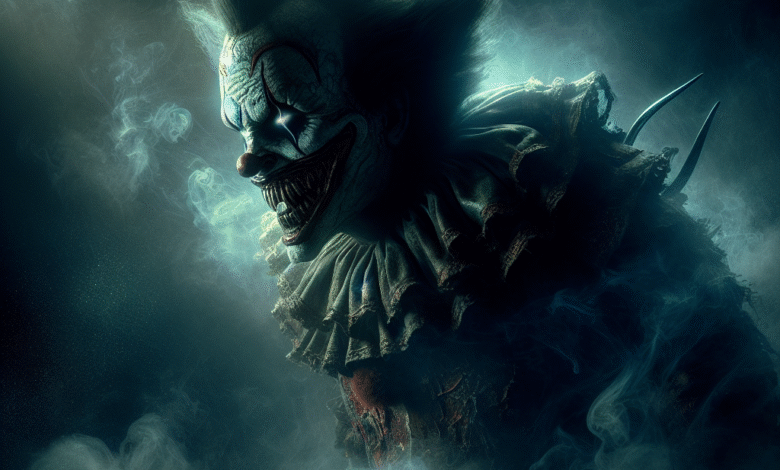
Pennywise: The Dancing Clown of Despair
In the dark corners of Derry, Maine, a sinister entity lurks beneath the surface, waiting to undulate its way into the minds of children and adults alike. Known widely as Pennywise, this terrifying creature is more than just a bloodthirsty clown. It embodies fear itself, feeding on the phobias of its victims, transforming into the very source of their nightmares. This article delves into the origin and cultural background of Pennywise, recounts the legends surrounding its sightings, and explores its myriad appearances in popular culture.
The Genesis of Pennywise
Pennywise first burst forth from the imagination of horror maestro Stephen King in his 1986 magnum opus, “It.” In this expansive novel, readers are introduced to a malevolent force that awakens every 27 years to feed on the children of Derry. While Pennywise takes the whimsical form of a clown, with its painted face and red balloon, it is, in reality, a shapeshifting entity known as “It.” The clown persona is merely a disguise, a façade that draws children close, only to reveal the horror hidden beneath.
Stephen King drew from a rich tapestry of folklore and childhood fears in crafting Pennywise. Clowns, once symbols of merriment, have long been imbued with a sense of uncanny discomfort. The juxtaposition of a cheerful exterior concealing something grotesque resonates with psychological studies on fear. For King, Pennywise epitomizes the raw essence of terror—something that thrives in the shadows, merging the familiar with the dreadful.
Cultural and Historical Context
The motif of malevolent clowns is not unique to King; it has ancient roots. Clowns, or jesters, were often employed in medieval societies to challenge societal norms and expose the absurdity of humanity. However, this tradition took a dark turn in the late 20th century, with several infamous criminal cases involving individuals who donned clown costumes. Perhaps no case was more glaring than that of John Wayne Gacy, a convicted serial killer who performed as “Pogo the Clown” for charitable events. His gruesome acts and the subsequent media frenzy helped cultivate a cultural zeitgeist where clowns became intertwined with notions of horror and mistrust.
The very name “Pennywise” evokes a chilling blend of childlike naïveté and unbridled dread. In British slang, “penny wise, pound foolish” speaks to the folly of misguided economy. Ironically, Pennywise’s allure tempts children to let down their guard, leading them into unimaginable peril.
Sightings and Legends
For many, the name Pennywise brings forth images of rain-soaked sewers and ghostly whispers. Derry, the fictional setting in “It,” serves as the backdrop for countless child disappearances, stitched together by a cyclical occurrence of horror every few decades. Though Derry is a fictional town, its essence resonates with real-world fears of childhood vulnerability and societal neglect.
Over the years, urban legends resembling Pennywise have emerged across various cultures. In some South American countries, tales of monstrous clowns luring children into the wilderness serve as cautionary folklore. These legends echo King’s narrative, reinforcing the idea of deceptive innocence hiding a sinister core. It seems that Pennywise has carved a niche for itself not just in literature but in the fears that plague communities worldwide.
Appearances in Popular Culture
Pennywise has seeped into the very fabric of popular culture, transcending literature to invade our screens and imaginations. His most notable appearances include the 1990 miniseries, where Tim Curry’s truly nightmarish portrayal became a cornerstone of television horror for a generation. In 2017 and 2019, Andy Muschietti’s cinematic adaptations brought Pennywise back into the limelight, with Bill Skarsgård’s performance sending chills down the spines of both newcomers and seasoned fans.
These films reignited interest in King’s work, sparking a new era of horror cinema that evokes nostalgia for the past while engaging modern audiences. Video games have also adopted pieces of the Pennywise mythology, with titles like “The Dark Pictures: Man of Medan,” delivering atmospheric encounters that hint at the many existential terrors that linger beneath the surface.
Conclusion: A Creepy Fun Fact
In conclusion, Pennywise represents more than a creature of horror; it embodies our collective fears. The very essence of dread seeps into popular consciousness, making it a timeless entity of terror. A particularly unnerving urban legend related to Pennywise is the “Pennywise Effect.” Allegedly, in areas where many sightings or references to clowns occur, inexplicable incidents—like disappearing pets or unexplainable noises—are reported. This phenomenon sparks speculation: Is it a figment of collective hysteria or do the damp, dark corners of our imaginations occasionally breathe life into sinister specters like Pennywise?
As children trudge past storm drains today, might they catch a glimpse of a flickering red balloon? Or a chilling whisper, beckoning them to partake in an unforgettable nightmare? In the end, both the origins and the modern expressions of Pennywise remind us: Terror often wears a smile, and under the surface lies a darkness we can’t ignore.