Michael Myers
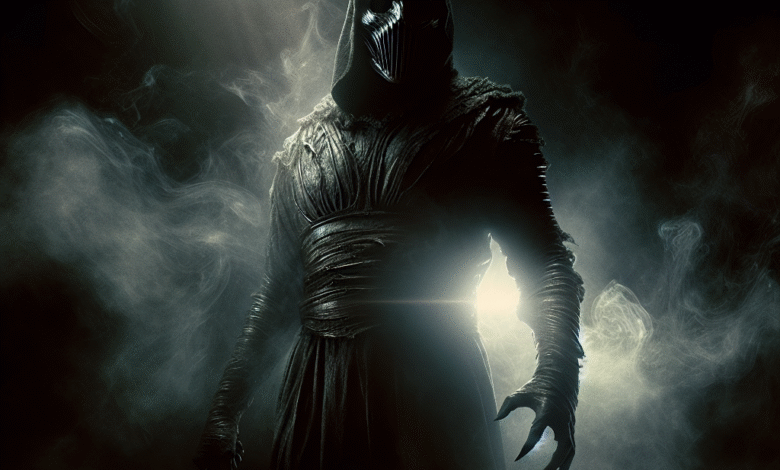
Michael Myers: The Shape That Haunts Us
From the shadowy corners of suburban America to the hallowed halls of horror film lore, few figures evoke terror quite like Michael Myers. With his stoic mask and unrelenting gaze, Myers embodies a chilling mythology that has captivated audiences since his cinematic debut in 1978. This enigmatic figure, often referred to simply as “The Shape,” stands as a formidable entity in the realm of the supernatural and the monstrous.
Origins and Cultural Background
Michael Myers first emerged from the mind of filmmaker John Carpenter. Conceived as a part of the slasher horror genre during the late 1970s, Myers was inspired by a number of real-life criminals and cultural myths surrounding masked figures. The character’s story begins in the fictional town of Haddonfield, Illinois, where, as a child, he murders his older sister on Halloween night. Following this horrendous act, he is committed to a mental institution, only to escape fifteen years later, returning to Haddonfield to continue his reign of terror.
This narrative taps into deep-seated fears surrounding childhood and innocence, touching on archetypes found in folklore around the world: the monster who returns home. Michael Myers is the manifestation of evil in its purest form, seemingly invincible and implacable, representing not just a physical threat but the darkness that can lurk within us all.
Sightings and Legends
While Michael Myers exists predominantly in the realm of fiction, the character has inspired a plethora of urban legends and anecdotal sightings. Fans and horror enthusiasts have reported eerie coincidences around Halloween—the time of year when he is most commonly associated with his horrific deeds. Some claim to see figures lurking in the shadows, masked like Myers, during autumn nights. These legends feed into the hysteria surrounding the character, elevating him from mere pop culture icon to a symbol of fear.
Haddonfield itself, as a fictional town, has become a haunted locale for horror aficionados. Pilgrimages to locations where the original film was shot have burgeoned, leading to an almost cult-like reverence for all things Myers. Dedicated fans often share their own stories of “encounters” with the supernatural, ranging from deep woods where the spirit of Myers is said to wander to old theaters exhibiting the films, where viewers report chills and paranormal occurrences.
Popular Culture Appearances
Michael Myers’ journey from screen to storied legend has been marked by numerous appearances across various media. Starting with Carpenter’s 1978 masterpiece “Halloween,” the character has since starred in several sequels, remakes, and spin-offs. Each rendition varies slightly, allowing for the evolution of his lore while maintaining the core elements of his terrifying nature.
The original films establish Myers as a relentless killer, reframing him as a stalker who embodies the very concept of unreasoning evil. As the series progresses, more backstory is poured into his character—some films delve into his childhood trauma or mystical elements that hint at an otherworldly quality. Notable entries include “Halloween II” and the 2018 reboot, which emphasized both nostalgia and a raw return to the character’s roots.
Beyond films, Michael Myers has transcended into other cultural territories, evident in video games such as “Dead by Daylight,” where players can take on the role of iconic horror characters, including Myers himself. He has also inspired graphic novels and merchandise that cater to fans yearning for a piece of this haunting legend. His image, a white mask and coveralls, has become a staple in Halloween costumes and horror-themed events, embodying the essence of fear at every turn.
Creepy Fun Fact
Did you know? The mask worn by Michael Myers in the original “Halloween” was actually a modified Captain Kirk mask from “Star Trek”? The filmmakers painted it white, altered the eyeholes, and transformed it into one of the most recognizable symbols of horror. This seemingly mundane object became the icon of terror, reinforcing the idea that even the most benign can conceal an unspeakable darkness.
Conclusion
Michael Myers remains an enduring figure in horror culture, embodying universal fears that resonate through generations. He is a chilling reminder that evil can lurk just beyond the veil of normalcy, waiting for the opportune moment to strike. The very essence of Myers—a combination of childhood trauma, the manipulation of relatable fears, and the surreal quality of urban legend—ensures that he will remain a haunting presence in our collective consciousness, lingering in our nightmares long after the credits roll. Whether you encounter him on screen, in your mind’s eye, or during a midnight stroll on Halloween night, the Shape will always be here, just a heartbeat away.