Pinhead
The Enigmatic Horror of Pinhead: An Exploration of Fear
In the vast tapestry of supernatural entities, few figures evoke as much terror and fascination as Pinhead—the formidable leader of the Cenobites, an order of sadomasochistic beings from the depths of Hell. Created by British author Clive Barker, Pinhead first emerged in his short story collection Books of Blood in the late 1970s, later adorning the screen in the Hellraiser film franchise that cemented his status as an icon of horror. Cloaked in a shroud of dark allure, Pinhead exists at the intersection of pleasure and pain, forcing us to confront the darker aspects of desire.
The Origin of Pinhead
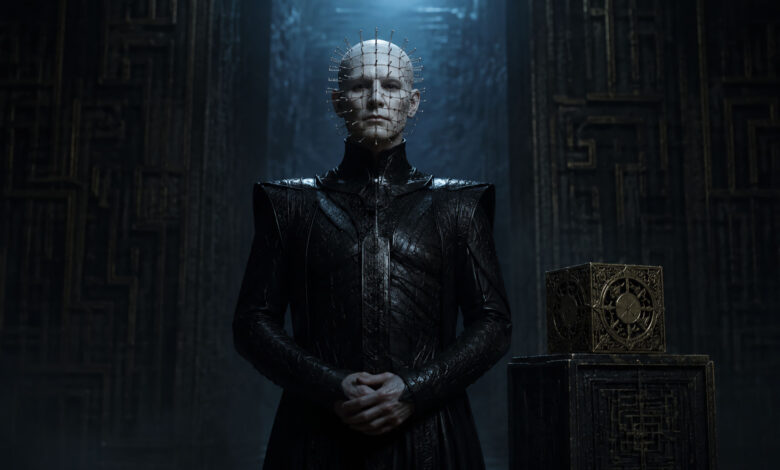
Pinhead was born from Clive Barker’s fertile imagination as a spiritual representation of the twin forces of pleasure and torment. The character’s original conception was that of a cenobite—an entity existing on the threshold of pleasure and suffering, serving as both a tormentor and educator in the nature of desires. Clad in a distinctive leather skin adorned with an intricate grid of nails, his appearance is both grotesque and compelling. The initial embodiment of the entity was simply known as “The Lead Cenobite,” but fans affectionately dubbed him Pinhead, a moniker that blurred the lines between horror and camp.
Barker’s inspiration drew heavily from his exploration of sexuality, BDSM culture, and philosophical ideas of desire. In a world where pain and pleasure are irreversibly intertwined, Pinhead became an archetype representing humanity’s deepest fears and unspoken yearnings.
Cultural and Historical Background
The lore surrounding Pinhead is steeped in the complex history of Cenobite mythology. These beings hail from a transdimensional realm known as the “Labyrinth,” which is said to exist outside the conventional markers of time and space. The puzzle box, or Lemarchand’s Box, which serves as a key to summon the Cenobites, functions as both a puzzle and gateway—a sinister portal bridging the physical world and that of endless torment.
The influence of various cultures is palpably felt in the depiction of Pinhead; elements of ancient mythological creatures, such as demons and torturers, permeate the essence of what he represents. Throughout history, entities that embody pain and pleasure have often served as reflections of societal fears, and Pinhead, with his unique character design and philosophical depth, epitomizes the archetype of horror as an explorer of the human psyche.
Sightings and Legends
While Pinhead is a fictional creation, his presence has seeped into the cultural zeitgeist. Urban legends often emerge from narratives steeped in fear, giving life to the character outside the confines of film and literature. One such anecdote is the story of a group of thrill-seekers who supposedly encountered a mysterious puzzle box during an abandoned house exploration. According to sources, as they experimented with the box, they were plagued by nightmarish visions and an overwhelming sense of dread—some claiming they envisioned the notorious Pinhead materializing from the shadows.
However terrifying they may be, these stories often serve as cautionary tales about temptation and the consequences of delving into the unknown. They echo the themes of the Hellraiser series, warning against the dangers of unlocking one’s own desires.
Pinhead in Popular Culture
The cultural impact of Pinhead is firmly established through the Hellraiser film series, which began with the eponymous Hellraiser in 1987, directed by Barker himself. The films depict multiple interpretations of Pinhead, evolving from a ruthless, philosophical tormentor to a more nuanced character embodying tragedy and vengeance. His lines, such as “We have such sights to show you,” have become iconic phrases that evoke both terror and intrigue, encapsulating his role as a connoisseur of suffering.
Pinhead’s influence extends far beyond cinema. The character has appeared in comic books, including a series produced by Boom! Studios, and has had multiple video game adaptations. The Hellraiser universe continues to inspire horror fans and creators alike, contributing to discussions around the nature of evil and desire.
Even beyond official adaptations, artistic tributes often pay homage to Pinhead, signaling a deep-rooted appreciation of horror culture. His visage garners admiration not only for its appearance but also for the complex emotions it evokes in us—the dread that accompanies our shadows.
A Creepy Fun Fact
As a chilling addendum to our exploration, tales persist that claim numerous copies of the Lemarchand’s Box exist in the real world. Some say these boxes are spread throughout haunted locations, said to open gateways to realms unknown. A particularly spooky urban legend suggests that those who possess or open a Lemarchand-style box may experience a series of tragic events—each incident more devastating than the last—subtly hinting that the nature of desire can lead to one’s own undoing. Next time you catch sight of a mysterious puzzle box, remember: some delights come tinged with darkness and should perhaps remain forever unopened.
In this way, the legacy of Pinhead endures, a perverse reminder of the thin line between ecstasy and anguish, and a testament to the universal thrill that horror brings to the human experience.