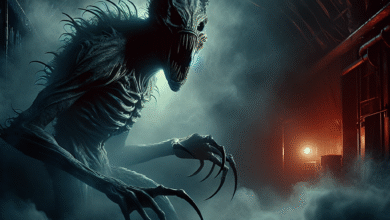
Wraith
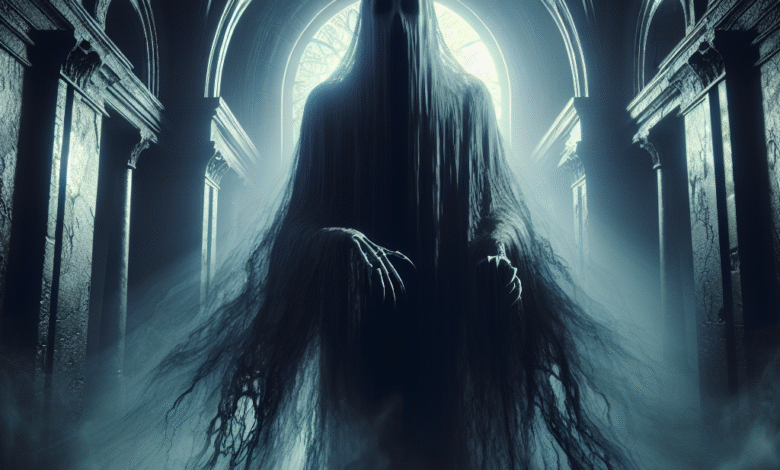
The Haunting Shadow of the Wraith: A Profile of the Supernatural Entity
Across the darkened landscapes of folklore, a chilling figure lurks in the shadows: the Wraith. A shimmering specter that embodies the essence of dread, this entity has captivated imaginations and sent shivers down spines for centuries. But what exactly is a Wraith? Where did it come from, and how has it woven its way into popular culture? Let’s embark on a spine-chilling journey to uncover the mysteries surrounding this elusive creature.
Origins of the Wraith
The term “Wraith” originates from the Scottish word “wraith,” meaning a ghost or spirit, particularly one that appears as a manifestation of someone close to death or someone who has recently passed. This lends the Wraith a sense of foreboding; it carries with it an aura of unresolved issues, unfinished business, and lingering regrets. In Scottish folklore, Wraiths are often depicted as harbingers of death, appearing to forewarn about someone’s demise. Their ethereal form resembles that of a person, cloaked in tattered robes, with features obscured—the embodiment of the souls who carry the weight of the living’s fears.
This entity crosses cultural boundaries, appearing in various forms across different myths and legends. In Eastern European traditions, for instance, the Wraith is akin to the “Banshee,” heralding death through mournful wails. In some Native American lore, similar figures exist, containing elements of sorrow and warning. All of these manifestations suggest a common thread of fear surrounding the unknown and the inscrutable forces of the afterlife.
The Legends and Sightings
Wraiths are often linked to specific locales. Tales abound of haunted castles, dilapidated graveyards, and ancient battlefields where these spectral entities roam. One popular legend involves the Auld Wraith of Edinburgh, said to appear at midnight on Halloween night. Witnesses have claimed to see a glowing figure gliding through the mist, its mournful cry echoing through the cobbled streets—a harbinger of tragedy for those who witness it.
Sightings vary by region, with many alleging that these entities are drawn to places steeped in misery or loss. During the First World War, a notable spike in Wraith sightings occurred, as soldiers reported seeing ghostly figures on the battlefield—a premonition of their impending demise. This connection to death and despair makes the Wraith an unsettling figure, forever intertwined with humanity’s mortality.
The Wraith in Popular Culture
Perhaps one of the most fascinating aspects of the Wraith is its portrayal in popular culture. The entity has made appearances in various forms of media, driving chills into the hearts of audiences.
In literature, Wraiths have been prominent figures in horror and fantasy genres. H.P. Lovecraft, the master of cosmic horror, often touched on themes of ghastly spirits akin to Wraiths—creations that thrive on human fear. More recently, the dark fantasy series A Song of Ice and Fire by George R.R. Martin features the “wights” and “White Walkers,” creatures that blend elements of the Wraith’s spectral nature with a deeper lore of death and resurrection.
In film, Wraiths have haunted the silver screen, earning a notoriety that transcends generations. The 1991 film The Wraith, a cult classic, intertwines themes of revenge and supernatural judgment. Although it leans more into the realm of science fiction, the film encapsulates the idea of a spectral presence watching and influencing mortal affairs.
Video games, too, have embraced the Wraith. In series like Dark Souls and The Elder Scrolls, Wraith-like entities serve both as terrifying adversaries and echoes of the haunted world surrounding them. These represent not only enemies to be vanquished but embodiments of the dangers that linger when one drifts too closely to the edges of life and death.
Conclusion: A Creepy Fun Fact
Despite their terrifying presence throughout folklore and media, the Wraith serves a purpose: to remind us of the inescapable reality of death and the lingering nature of unresolved conflicts. A spine-tingling urban legend surrounding these entities comes from the Scottish Highlands, where it is said that should one encounter a Wraith at midnight, they will be shown visions of their deepest fears. More chilling still is the belief that if you willingly accept the Wraith’s offering of their hand, you will be cursed to walk the earth for eternity as one of them, forever ensnared between the realms of life and death.
As you tread through the hushed corridors of history and culture, remember to glance over your shoulder. The Wraith could be lurking, a haunting reminder that the veil between this world and the next is far thinner than we dare to believe.