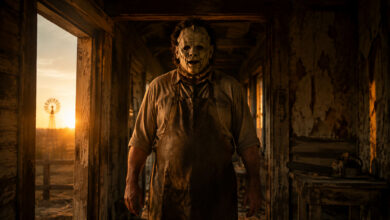
Draugr
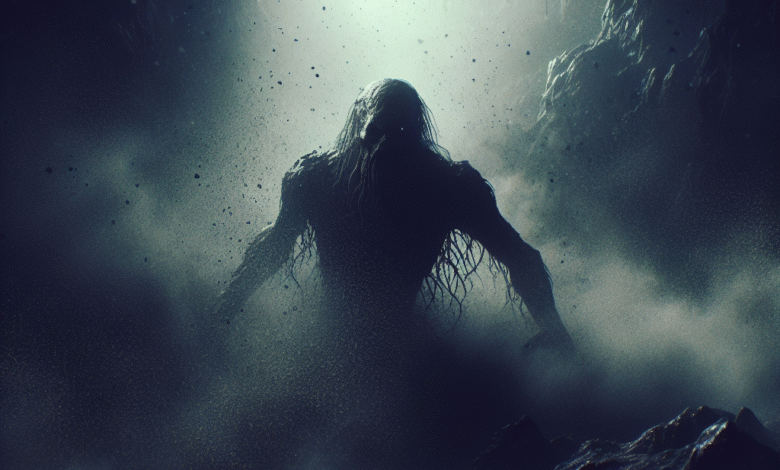
The Draugr: Norse Legends of the Undead
In the shadowy realms of Norse mythology, where gods wielded thunder and giants roamed the frost-laden lands, lurked a formidable entity known as the Draugr. Combining the chilling essence of undead horror with a rich cultural history, the Draugr has become a captivating figure in both ancient Viking lore and contemporary popular culture.
Origins and Cultural Background
The term “Draugr” originates from Old Norse, meaning “to walk,” and its plural form, “Draugar,” reflects the multifaceted nature of these undead beings. Dating back to early Scandinavian tales, these revenants were associated with burial practices that honored the deceased while simultaneously keeping their restless spirits at bay. The Draugr often emerged from their graves to avenge wrongs, guarding treasures or seeking vengeance against the living, symbolizing the thin line between life and death—and the eternal consequences of earthly deeds.
According to Norse tradition, a Draugr typically inhabited the burial mounds of warriors or chieftains, preserving their strength even in death. They were endowed with supernatural powers, including the ability to shapeshift, control the weather, and possess immense physical strength. Sightings of Draugar often depicted them as grotesque figures: bloated, rotting corpses with greenish skin, glowing eyes, and a chill-inducing presence capable of striking terror into the hearts of the living.
Sightings and Legends
Countless legends narrate encounters with Draugar that echo through the ages. One of the most famous tales is that of the Draugr of Hreggvid, who roamed the fjords of Norway after death, tormenting sailors. It is said that those who dared approach Hreggvid’s grave were met with his ghastly visage and suffered dire fates. In another tale, a group of warriors unwittingly dug into the mound of a Draugr, awakening him from his slumber. The ensuing whirlwind of chaos left only a few survivors, their minds forever scarred by the encounter.
The haunting notion of the Draugr served as both a warning and a moral lesson within Viking culture. It reminded people of the virtues of honor and loyalty, as well as the consequences of greed and betrayal. The Draugr fiercely guarded their loot, portraying the dark side of material wealth and the lengths to which one might go to protect their possessions—even after death.
Appearances in Popular Culture
In modern times, the Draugr continues to inspire stories and media, breathing new life into ancient fears. Movies like “The Ritual” delve into the haunting elements of Nordic mythology, featuring creatures that embody the spirit of the Draugr. Video games such as “Skyrim” bring them back into the spotlight, where players encounter these formidable foes during quests in the haunting Nordic landscapes. They show up as formidable adversaries, demanding strategy and skill to overcome.
In literature, authors exploring the realms of the supernatural often pluck from the lore of the Draugr. Works like “The Long Ships” by Frans G. Bengtsson illustrate the Draugr’s potency, placing them alongside legendary Viking heroes and deepest fears. As the lines between mythology and contemporary storytelling blur, the Draugr remains a versatile monster, reflecting society’s ongoing fascination with life, death, and everything that lurks in the shadows.
A Creepy Fun Fact
As if the tales of the Draugr weren’t chilling enough, one eerie custom reflects the ancient beliefs surrounding these creatures. In parts of Scandinavia, it was once thought to ward off Draugar, people would mark the graves of the deceased with stones. These markers served a dual purpose: to honor the dead and to prevent them from returning as vengeful spirits. Some graveyards even have stones placed on top of the markers to ensure the souls remained undisturbed.
Imagine walking through one of these ancient burial sites, feeling the weight of history upon your shoulders and the chilling sensation that perhaps, just perhaps, the Draugr still linger there, biding their time until the living dared to disturb their eternal slumber.
Thus, the Draugr remains an eternal embodiment of our fears, treasures, and the unanswered questions of what lies beyond. As we spin tales and weave stories around campfires or within the pages of our favorite novels, let us remember: some legends are more than just stories; they are warnings from a past that refuses to be forgotten. And the Draugr? They are very much alive in our imaginations, ever ready to creep into our dreams and haunt our deepest thoughts.