The Boogeyman
The Boogeyman: The Shadow in Our Closets
Across cultures and centuries, there stirs a figure so deeply ingrained in the fabric of our fears that even the bravest heart quickens at its name: The Boogeyman. This nebulous entity has haunted the dark corners of childhood imagination, taking on countless forms and adaptations, yet remaining forever shrouded in mystery. Let’s delve into the eerie essence of the Boogeyman—its origins, cultural significance, chilling sightings, and its pervasive presence in popular culture.
Origins and Cultural Background
The name "Boogeyman" is believed to derive from the Middle English term bugge, which referred to a frightening creature meant to enforce discipline among children. This specter took on numerous regional incarnations, from the bogey of British folklore to la Llorona of Spanish traditions and the Baba Yaga of Slavic mythology. Each tale shares a common theme; the Boogeyman represents the fears and anxieties projected upon children to keep them in line and discourage misbehavior.
In many cultures, the Boogeyman serves as an avatar for parental warnings. "If you don’t behave, the Boogeyman will get you," becomes an echoing threat in homes, lingering like the shadow of nighttime fears under a child’s bed. While the character has often been depicted as a scrappy monster, its origins tap deeper into human psychology—serving as a metaphor for the unknown dangers lurking in the dark.
Sightings and Legends
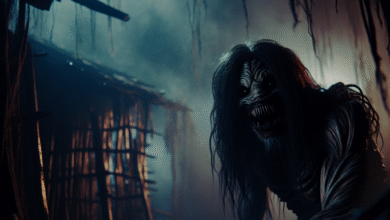
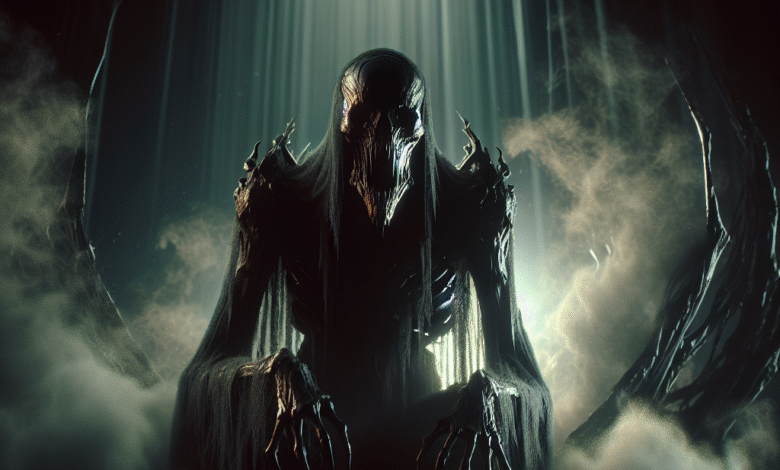
Sightings of the Boogeyman are often anecdotal, recounted in hushed tones among friends or family. These tales are purposefully vague, fostering an air of mystery that leaves an unsettling feeling in listeners. The entity is often described as a hulking figure, part shadow, part nightmare. Clad in darkness, the Boogeyman resides primarily in closets and under beds, symbolizing the fears that lurk just out of sight.
Various urban legends contribute to the mystique of the Boogeyman. One haunting story from the 1950s tells of a small town where children began to vanish, whispering about a "man in the shadows" who would take them if they roamed too far from home. Parents, desperate to protect their children, heightened their vigilance, yet the figure remained an enigma—an ever-present reminder of the potential dangers just beyond the safety of daylight.
While not tangible evidence, these societal tales affirm the Boogeyman’s role in culture as an entity that embodies trepidation and marginality. Its elusive nature underscores the human propensity to anthropomorphize fear itself.
Appearances in Popular Culture
The Boogeyman has wended its way through popular culture, taking on various forms in literature, film, and video games. Classic horror literature often incorporates this spectral figure, playing on its age-old tales. In Stephen King’s “It,” the character Pennywise embodies the quintessential Boogeyman, lurking in darkness and feeding on children’s fears—a sadistic being crafted from the essence of nightmares.
In film, the Boogeyman’s presence is felt in various features, from the 2005 film "Boogeyman," which explores the psychological ramifications of this entity, to “The Nightmare on Elm Street,” where Freddy Krueger personifies a Boogeyman-esque figure that lives within dreams. These adaptations explore the duality of fear, simultaneously evoking dread while compelling audiences to confront the myths that chase them into the dark.
Video games too have embraced the Boogeyman theme. Titles such as "The Boogeyman" series and "Little Nightmares" present chilling gameplay experiences where players must navigate eerie worlds filled with grotesque creatures that echo the characteristics of the Boogeyman.
Conclusion: A Creepy Fun Fact
Though the Boogeyman shifts shape depending on the storyteller, one chilling lesson remains universal: it taps into our primal fears of the unknown. Here’s an unsettling urban legend associated with this entity: some believe if you dare to say “Boogeyman” three times while looking into a mirror in a dimly lit room, he will appear behind you. This dare, a twisted rite of passage among children, serves as a reminder that the line between fiction and reality can be as thin as the fabric of our fears.
Many dismiss the Boogeyman as merely a childhood superstition, but deep down, we all recognize the thrill of fear. Beneath the bed or lurking in the closet, the Boogeyman remains a potent symbol of what we cannot see, holding a mirror to our darkest anxieties—and perhaps, just perhaps, protecting us from the darkness within ourselves.