Dracula
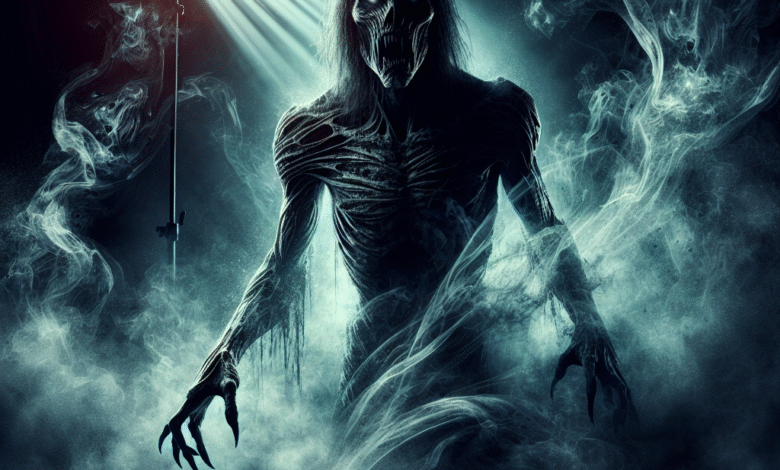
The Enigmatic Legend of Dracula: The Count Who Casts a Shadow on History
In the dimly lit corridors of folklore and mythology, few figures loom as large and as fearsome as Dracula, the immortal bloodsucker whose name has become synonymous with vampirism. This sinister entity weaves together the threads of history, literature, and superstition, creating an enthralling tapestry that has captivated human imagination for centuries.
Origins Steeped in History
The legend of Dracula finds its roots in 15th-century Eastern Europe, specifically in Wallachia, a region in modern-day Romania. The name "Dracula" itself derives from the Romanian term "dracul," meaning "dragon," a title given to Vlad III, also known as Vlad the Impaler. Vlad was a notorious ruler famed for his brutal methods of governance, which included impaling his enemies and displaying their skewered bodies as gruesome trophies across his land.
Vlad’s cruelty solidified his reputation as a true horror, but it was the blending of his historical persona with the darker influences of folklore that gave rise to the vampire mythos we know today. Locals spoke of creatures who roamed the night, preying on the living and displaying a thirst for blood. When Victorian author Bram Stoker penned “Dracula” in 1897, he drew heavily on both Vlad’s historical terror and the folklore surrounding vampires, immortalizing the character in literature forever.
The Cultural Canvas of Evil
Dracula’s influence extends far beyond the pages of novels. Throughout the ages, Eastern European cultures have brewed a rich folktale tradition around the vampire as a malevolent spirit, often associated with death, disease, and the fear of the unknown. Beliefs in the undead were fueled by the harsh realities of pre-modern life—disease, famine, and the premature death of loved ones led many to ascribe supernatural causes to their grief.
Across different cultures, variations of the vampire exist, from the seductive succubus of old to the wailing spirit of La Llorona in Latin American folklore, with each region adding its unique flavor to this terrifying concept. However, it is Dracula who has transcended these local legends to become a global symbol of vampirism.
Sightings and Legends Through the Ages
While Dracula is primarily a fictional creation, countless historical accounts and reported sightings of vampiric activity have muddled the waters between fact and fiction. In the 18th century, in the region surrounding Vlad’s home, fear of the undead prompted locals to stake suspected vampires and bury them with copious rites to prevent them from returning. Such rituals became commonplace as neighbors recounted tales of rotting corpses rising from their graves, roaming the night in search of blood. Notable among these were reported "vampire sightings" in Eastern Europe during epidemics when people noticed deaths coinciding with unusual animal behavior.
One of the most infamous instances occurred in the early 19th century in the village of Medjugorje in Croatia, where locals dug up the body of a reputed vampire, Joseph Anton, dubbed "The Vampire of Medjugorje." Witnesses claimed he had not decayed, and after performing a ghastly exorcism, they drove a stake through his heart—a rite that can still send chills down the spine of those who hear it.
Dracula in Popular Culture
The realm of popular culture has made Dracula a star in his own right. Bram Stoker’s novel was merely the first step in a long cinematic journey, leading to an array of film adaptations, including the classic 1931 Universal Pictures film starring Bela Lugosi, whose iconic performance left an indelible mark on how Dracula is portrayed. The character’s transformation from the terrifying tyrant to a more romanticized figure began with films like "Nosferatu" (1922) and continued with later adaptations that often emphasized seduction alongside terror.
Dracula’s appearances in literature, film, and games have been countless, leading to adaptations in various genres, from horror to comedy. Think of Gary Oldman’s brooding portrayal in the 1992 film “Bram Stoker’s Dracula” or even "Hotel Transylvania," where the character is reborn as a quirky, family-friendly host. Video games, like "Castlevania," also immortalized him as a chilling antagonist, ensuring his legacy endures in every medium possible.
A Fun and Creepy Fact
As if the story couldn’t get more chilling, here’s a tidbit that adds an extra layer of eerie intrigue: During his reign, it is said that Vlad the Impaler would often dine among the impaled bodies of his enemies, treating them as grotesque decorations or warnings to others. This morbid image of atrocity mingles with the supernatural lore of Dracula, blurring the lines between reality and horror fiction. In some versions, it’s rumored that those who ventured too close were sometimes said to encounter Vlad himself, reclined on a throne made of bones, eyes burning with the lust for blood—leaving an indelible mark on those who dared to recount such tales.
In conclusion, the legacy of Dracula is a rich amalgam of history, folklore, and the abyss of human imagination. This creature of the night serves as a reminder that the dark corners of our world harbor stories that are often scarier than we can fathom and that the true horror may lie not only in the monsters we create, but in the echoes of past tyrants who inspire a chilling legacy.