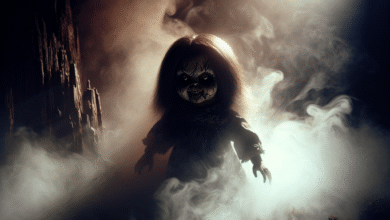
Bunyip

The Bunyip: Australia’s Enigmatic Terror
From the depths of dark billabongs to the shimmering surface of eerie wetlands, the Bunyip is a specter steeped in mystery and fear. This supernatural entity has haunted the Australian landscape for centuries, weaving a rich tapestry of myth and legend that continues to intrigue and terrify.
Origins and Cultural Background
The term “Bunyip” hails from the language of Australia’s Indigenous tribes, particularly the Kurnai people of southeastern Australia, where the word reportedly means “devil” or “evil spirit.” Its roots wind deeply through the cultural heritage of Aboriginal Australians. Here, Bunyips are often described as nocturnal creatures, feared for their malevolence. Stories vary but typically portray the Bunyip as a large, amphibious entity, capable of dragging the unwary into the murky waters they inhabit.
Historically, these tales were not merely for entertainment; they served as cautionary folklore. Parents warned their children to stay away from the water’s edge, lest they attract the attention of the lurking creature. The Bunyip became a symbol of the natural world’s unpredictability and ferocity, embodying the very essence of the wild Australian landscape.
Sightings and Legends
Throughout the 19th century, the Bunyip’s notoriety grew, fueled by numerous supposed sightings. In 1846, a report emerged from a settler claiming to have seen the creature near Lake Burragorang, where he described a “large, dark figure” with a dog-like face and large tusks. This account sparked a flurry of interest and investigation, prompting others to speak out with their own eerie encounters.
The legend of the Bunyip shifted over the years, with some describing it as a massive, humped creature resembling a seal, while others spoke of a long, snakelike body. Reports often mentioned its haunting cries—bone-chilling sounds echoing through the night that left listeners shivering in dread. Some claimed that the Bunyip would lure the unwary by mimicking the cries of women and children in distress, enchanting its victims before striking with remarkable speed.
As colonization intensified, the Bunyip became a form of cultural resistance. For many Indigenous communities, maintaining the legend of this creature was a way to assert their own identity amid the encroaching European influence. Some tribes even suggested that the Bunyip was once a human transformed into a monster for nefarious deeds—serving as a potent reminder that one’s actions can give rise to otherworldly consequences.
Appearances in Popular Culture
As the years unfolded, the Bunyip transitioned from local legend to global phenomenon, claiming its stake in popular culture. In literature, the creature has haunted pages across genres. Notable works include “The Bunyip of Berkeley’s Creek” by Jenny Wagner, a children’s book that mixes whimsy with vexing fear, offering a gentle introduction to younger audiences about this mysterious beast.
In film, the Bunyip has been depicted in various ways. The Australian horror film The Bunyip (2004) delves into the creature’s terrifying lore, serving up a healthy dose of suspense and psychological disturbance. More recently, the Bunyip has made cameo appearances in animated series and documentaries, showcasing its place in the pantheon of cryptids and mythological creatures.
Video game enthusiasts have also encountered an array of Bunyip adaptations. In Mortal Kombat, for example, the character Kotal Kahn possesses abilities reminiscent of the Bunyip’s legendary water manipulation, drawing upon the creature’s heritage to enhance the gaming experience. In the realm of tabletop games, Dungeons & Dragons has even incorporated Bunyips into its mythology, offering players a chance to confront this aquatic terror in their adventures.
A Creepy Fun Fact
Despite the many tales of this reclusive creature, one of the most chilling urban legends relates to its alleged ability to masquerade as deceased relatives. This particularly unnerving aspect of the Bunyip lore suggests that it can imitate the voices of those who have passed, luring the grieving and unsuspecting to watery graves. Many locals maintain—whether sincerely or as part of the folklore—the belief that encountering such a voice is a dire omen, hinting at the sinister power that the Bunyip wields over the natural world.
In a land where dreams meet nightmares, the Bunyip stands as a haunting testament to human fears of the unknown. Rooted deeply in the human psyche, this monster reminds us of the wildness within our surroundings and the shadows that exist just beneath the surface. As stories of the Bunyip continue to swirl through the lands of Australia, we are left to wonder: what other creatures lie in hiding, waiting to be uncovered by the light of day?